Top Landscaping Services in West Yarmouth, MA, 02673 | Compare & Call
There are 193 landscaping companies server in West Yarmouth MA
Pacheco Landscaping is a trusted, locally-owned landscaping company serving Hyannis, MA, and the surrounding Cape Cod communities. We specialize in comprehensive landscape maintenance and enhancement ...

Impressive Construction & Landscaping
Impressive Construction & Landscaping has served the Hyannis community for over four years, building a reputation for reliability and quality workmanship. We operate on a simple principle: quality ove...
Carlozzi Tree & Landscape
Carlozzi Tree & Landscape is a full-service landscaping company serving Hyannis, MA, and surrounding areas. Founded by Ray Carlozzi, a Massachusetts Certified Arborist with a Bachelor of Science from ...
CCD Irrigation&Landscape Solutions
CCD Irrigation & Landscape Solutions is a full-service landscaping, masonry, and irrigation company serving Hyannis, MA, and the surrounding Cape Cod area. We specialize in comprehensive solutions tha...
Rabelo's Landscaping is a trusted, locally-owned and operated landscaping service based in Hyannis, MA. For years, they have built a reputation for reliable, high-quality work across Cape Cod, serving...
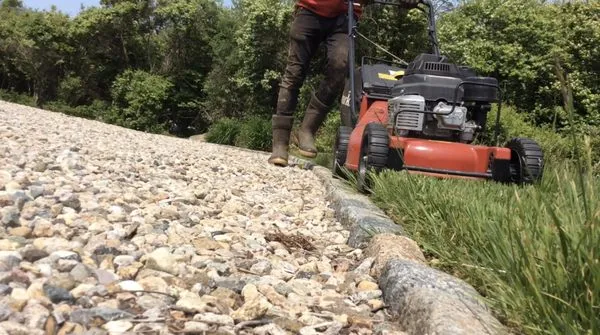
All Around 5 Star is a family-owned landscaping and outdoor care service dedicated to maintaining and enhancing the beauty of properties across Barnstable, MA. With a commitment to reliability and qua...
Clear Cut is your trusted, local partner for tree, lawn, and firewood services in West Yarmouth, MA. We understand the specific challenges homeowners face on the Cape, from dealing with persistent wee...
SH Dunford
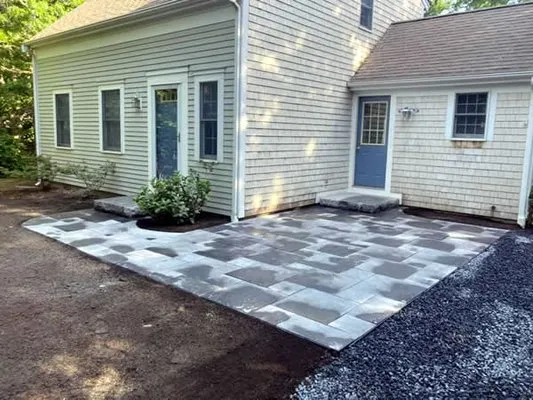
SH Dunford is a South Yarmouth-based contractor specializing in comprehensive outdoor solutions, from landscaping and excavation to septic services. As a locally owned and operated business, our appro...
J.C.'S Landscaping is a trusted local landscaping company serving Hyannis, MA, and the surrounding Cape Cod area. We specialize in addressing common local yard challenges, particularly standing water ...
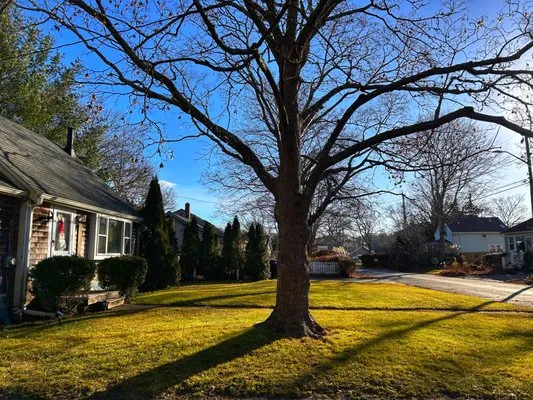
Childs Property Maintenance is a locally owned and operated business in Hyannis, MA, founded by Cape Cod native Stephen Childs. Driven by a lifelong dream to be his own boss and provide honest, profes...
Estimated Landscaping Service Costs in West Yarmouth, MA
Frequently Asked Questions
Our property experiences rapid water runoff after heavy rains. What drainage solutions work best with our soil conditions?
Sandy loam's high permeability creates significant leaching potential, requiring engineered drainage solutions. Permeable pavers and granite cobblestone installations allow 80-90% of stormwater to infiltrate naturally. These systems meet Yarmouth Department of Community Development runoff standards while reducing erosion. We incorporate French drains with clean stone aggregate and geotextile fabric to manage subsurface water movement. Proper grading directs flow away from foundations while maintaining soil stability in Bass River's coastal conditions.
With Stage 1 water restrictions in effect, how can we maintain healthy Fine Fescue or Kentucky Bluegrass turf?
Smart-controller Wi-Fi moisture sensors enable precise ET-based irrigation that reduces water use by 30-40% while preserving turf health. These systems adjust watering schedules based on real-time weather data and soil moisture levels. For West Yarmouth's sandy loam, we recommend deep, infrequent watering cycles that encourage deeper root growth. This approach maintains municipal compliance while preventing the leaching issues common in high-permeability soils. Regular calibration ensures optimal performance throughout the growing season.
Our Bass River property has sandy loam soil that seems to drain too quickly. Why does this happen in our neighborhood, and what can we do about it?
West Yarmouth's Bass River neighborhood developed around 1973, giving soils approximately 53 years to mature. Sandy loam with pH 5.5-6.0 naturally occurs here due to coastal influences and glacial deposits. This soil type has high permeability, leading to rapid nutrient leaching and poor water retention. Core aeration combined with organic amendments like composted leaf mold improves soil structure and moisture capacity. Regular soil testing every 2-3 years helps maintain optimal pH for turf and native plant establishment.
We've spotted invasive Japanese Knotweed on our property. How do we treat it without violating fertilizer regulations?
Japanese Knotweed represents a significant invasive threat in Cape Cod's coastal ecosystems. Treatment requires careful timing outside the Cape Cod Commission Fertilizer Nitrogen Management Plan blackout dates (typically April-October). We employ targeted herbicide applications during dormancy periods, followed by manual removal of rhizomes. Soil restoration with mycorrhizae inoculants helps native plants outcompete remaining invaders. Regular monitoring prevents re-establishment while maintaining compliance with all local environmental ordinances.
What permits and licenses are required for regrading our 0.35-acre Bass River property?
Grading work on 0.35-acre lots requires a land disturbance permit from the Yarmouth Department of Community Development. Contractors must hold appropriate licensing through the Massachusetts Division of Occupational Licensure, specifically the Construction Supervisor License for earthwork exceeding 50 cubic yards. The Cape Cod Commission may review projects affecting drainage patterns or coastal resources. Professional soil engineers should certify final grades to prevent runoff violations. These requirements ensure proper water management and structural stability in sandy loam conditions.
We need emergency storm cleanup to meet HOA compliance deadlines. How quickly can your team respond to our Bass River location?
Emergency response from our Lewis Bay dispatch point follows MA-6 (Mid-Cape Highway) directly to Bass River neighborhoods. During peak conditions, arrival occurs within 25-40 minutes using electric maintenance vehicles exempt from noise restrictions. Our protocol includes immediate debris assessment, safety hazard mitigation, and documentation for insurance claims. We coordinate with Yarmouth Department of Community Development for any required emergency permits during cleanup operations.
We want to reduce lawn maintenance and noise from gas equipment. What native plant alternatives should we consider?
Transitioning to native plantings like Beach Plum, Bayberry, Little Bluestem, Butterfly Weed, and Virginia Rose reduces maintenance by 60-70%. These species require no supplemental irrigation once established and support local pollinators. Electric maintenance equipment operates quietly outside restricted hours (7 AM-6 PM for gas equipment). This approach aligns with 2026 biodiversity standards while creating defensible space for Moderate Fire Wise ratings. Native plant communities develop natural resilience to coastal conditions without chemical inputs.
Should we use granite cobblestone or wood for our new patio, considering our coastal location and fire safety concerns?
Granite cobblestone and permeable pavers offer superior longevity in West Yarmouth's coastal environment, with 50+ year lifespans versus wood's 15-20 years. These materials create non-combustible defensible space crucial for Moderate Fire Wise ratings in Coastal WUI zones. Granite withstands salt air corrosion and freeze-thaw cycles better than pressure-treated wood. Permeable installations manage stormwater runoff while meeting aesthetic requirements. Proper base preparation with geotextile fabric prevents settling in sandy loam soils.
