Top Landscaping Services in West Concord, MA, 01742 | Compare & Call
There are 182 landscaping companies server in West Concord MA
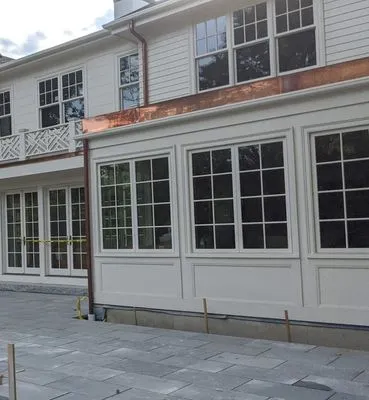
A Stone Flake is a Sudbury, MA-based family business specializing in comprehensive landscaping and hardscaping solutions. Founded and owned by Sergio Ribeiro, who brings over 15 years of professional ...
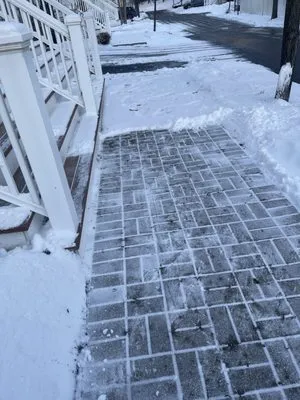
Dave's Landscape Management Company
Dave's Landscape Management Company has been enhancing outdoor spaces in Hudson and the Boston Metrowest area since 1989. Founded by Dave, who started the business at age 11 and incorporated it after ...
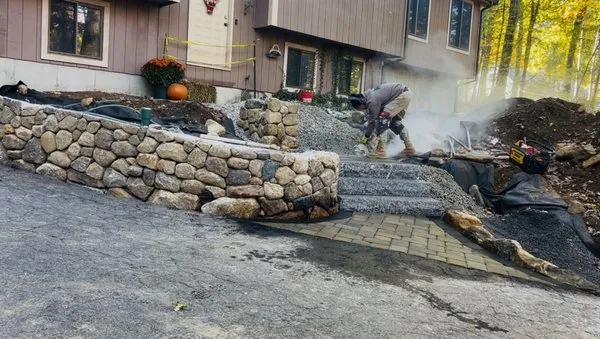
Marsh Haven is a Sudbury-based landscape design and maintenance company founded on a lifelong passion for gardening that began in childhood. The owner's journey started with mowing neighbors' lawns in...
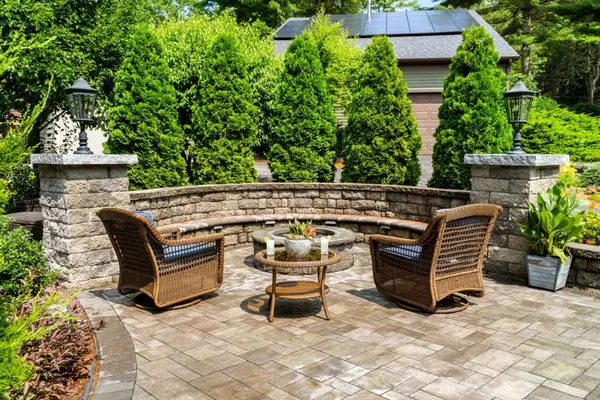
Monette Landscaping & Construction
Monette Landscaping & Construction is a third-generation, family-owned business serving Spencer and Central Massachusetts since 1947. Rooted in integrity and family heritage, we treat every homeowner ...
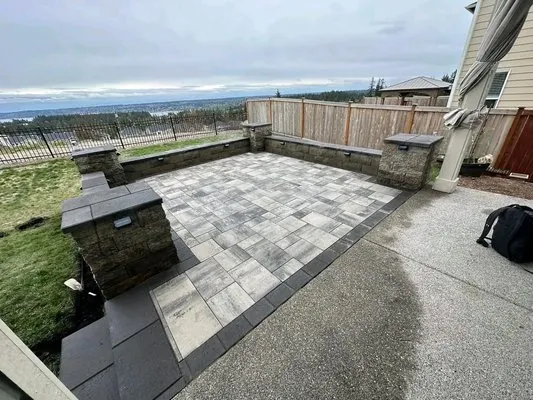
Felipa Landscaping is a trusted, full-service landscaping company serving Spencer, MA, and the surrounding areas. We specialize in landscaping, tree services, and masonry/concrete work, offering compr...
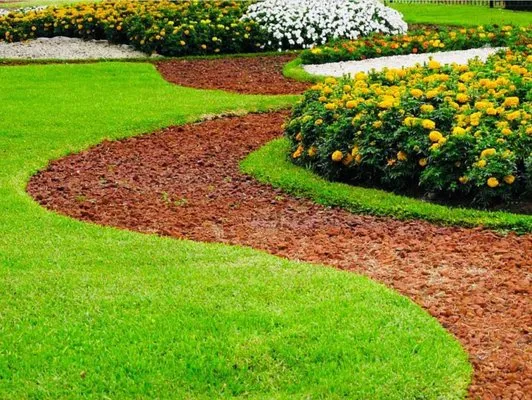
Hartland General Services is a Hudson-based landscaping company serving the local community with comprehensive outdoor solutions. We specialize in transforming residential and commercial properties th...

Weston Nurseries of Hopkinton is a family-owned nursery and landscaping business with deep roots in the Hopkinton community. Founded by the Mezitt family, the nursery is renowned for introducing hardy...

Ellm Enhancements is a woman-owned landscaping and construction company serving Clinton, MA, and surrounding Central Massachusetts communities. We specialize in comprehensive outdoor solutions for bot...
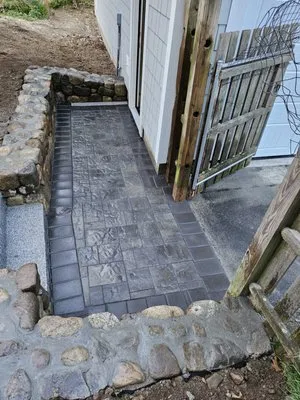
Royal Stone Landscape Construction
Royal Stone Landscape Construction is a licensed Boston-based company founded in 2021, specializing in hardscaping and masonry services for both residential and commercial properties. With a team of p...
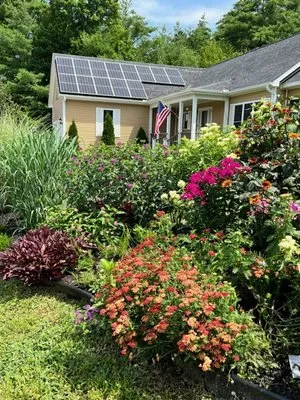
Greenleaf’s Garden Design
My journey with plants began locally at an apple orchard and a strawberry farm, which led me to Cornell University for a BS in Plant Science. The nickname ""Greenleaf"" was earned on a life-changing h...
Estimated Landscaping Service Costs in West Concord, MA
Questions and Answers
We've spotted invasive Japanese Knotweed. How do we handle it without breaking fertilizer laws?
Japanese Knotweed is a high-priority invasive requiring immediate, multi-year management. Treatment involves targeted, professional-grade herbicide applications at specific growth stages, which is exempt from the statewide Phosphorus Law as it is not a turf fertilizer. Critical follow-up includes planting aggressive natives like Joe Pye Weed to compete. All treatments must be timed outside of any local blackout dates for pesticide applications near wetlands.
We want to reduce mowing and gas-powered equipment noise. What are our options?
Transitioning sections of high-maintenance turf to a native plant community is a strategic solution. Species like Eastern Redbud, Highbush Blueberry, and Little Bluestem are adapted to Zone 6b and acidic soils, requiring no fertilization, minimal watering, and no weekly mowing. This creates a resilient landscape that stays ahead of tightening town-wide noise ordinances on gas-powered equipment and supports local biodiversity.
Our yard has persistent soggy areas and frost heave damage each spring. What's the solution?
This is a classic symptom of West Concord's high water table and dense glacial till soil, which has poor percolation. Installing a French drain system tied to a dry well can manage subsurface water. For surfaces, using permeable concrete pavers or fieldstone patios increases infiltration, reduces runoff, and meets Concord Division of Planning and Land Management standards for stormwater management, mitigating frost-heave cycles.
Our soil seems thin and compacted. Is this typical for West Concord Village?
Yes, this is a predictable condition for homes built around 1973, giving you 53-year-old soil. Original construction on acidic glacial till (pH 5.5-6.2) often involved stripping topsoil and heavy compaction. Over decades, this creates a dense, nutrient-poor layer with low organic matter. To restore soil health, we recommend core aeration followed by amendments of compost or leaf mold to improve structure and microbial activity.
Is a fieldstone patio better than a wood deck for our low Firewise-rated property?
For a low Firewise rating in the Urban Interface, non-combustible materials are superior. A fieldstone or permeable paver patio provides permanent, zero-maintenance defensible space compared to wood, which requires sealing and poses a fuel risk. These materials also handle seasonal frost-heave cycles better than concrete slabs. Their longevity and permeability align with both safety and sustainability goals for a 0.35-acre lot.
We need emergency storm debris cleanup to meet HOA compliance. How fast can you respond?
For urgent compliance or safety issues, our electric fleet can dispatch from our staging area near Rideout Playground. The route via Route 2 to West Concord Village typically requires 20-30 minutes during peak periods. We prioritize these calls to secure the property and begin systematic debris removal, ensuring compliance with local ordinances using low-noise equipment.
Do we need a permit to regrade our yard, and what should we look for in a contractor?
Yes, significant regrading on a 0.35-acre lot likely requires a permit from the Concord Division of Planning and Land Management to ensure proper drainage and erosion control. You must hire a contractor licensed by the Massachusetts Division of Occupational Licensure. This license is mandatory for earthwork exceeding certain volumes and guarantees the professional carries required insurance and adheres to state excavation safety standards.
How can we keep our Kentucky Bluegrass and Fine Fescue lawn healthy under Stage 1 water conservation?
Smart Wi-Fi ET-based irrigation systems are essential for compliance. These controllers adjust watering schedules daily based on local evapotranspiration data, applying water only when the turf needs it. This precision prevents overwatering, aligns with voluntary conservation goals, and maintains turf health by promoting deeper root growth. Properly calibrated, such a system can reduce potable water use by 20-30% compared to traditional timers.
