Top Landscaping Services in Wellesley, MA, 02457 | Compare & Call
There are 200 landscaping companies server in Wellesley MA
J Mosca Landscaping & Design is a Waltham-based landscaping company serving the greater Boston area with comprehensive outdoor solutions. They specialize in both design and construction, offering serv...
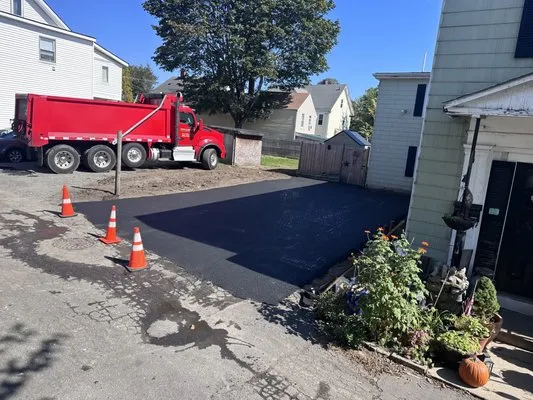
Eduardo's Construction & Paving in Lynn, MA is a full-service landscape and concrete contractor with over 15 years of experience serving the local community. Founded by Eduardo, who prioritizes client...
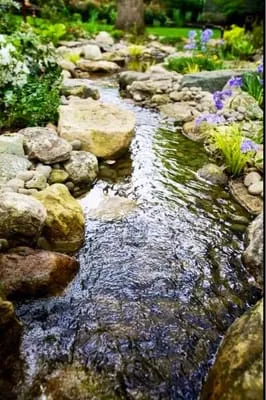
Perennial Connection
Perennial Connection is a family-owned landscape design and installation company that has been serving Medway, MA, since 1994. Founded by the owner's father and merged in 2001, the business brings ove...

Gold Landscaping Service
Gold Landscaping Service in Needham, MA, is a full-service landscaping company with deep local roots, established in 1978 and serving the Greater Boston area for over 30 years. Led by Steve Gold, a Ma...
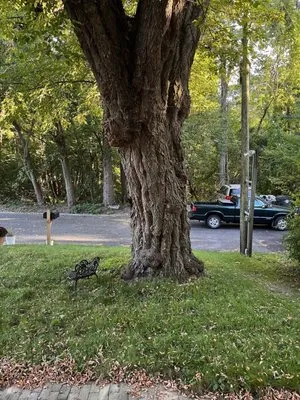
Andrade Tree Service is a trusted, local tree and landscape care provider serving Lynn, Massachusetts. We specialize in comprehensive shrub and tree services, from planting and routine pruning to comp...
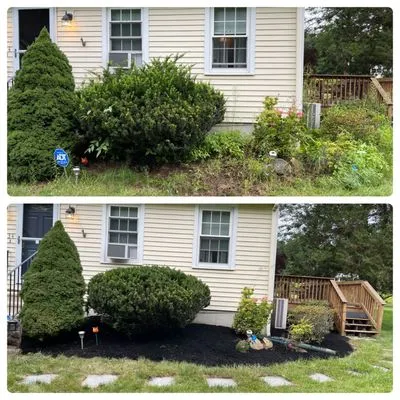
Matteo in Milford, MA is a licensed landscaping and construction service provider specializing in comprehensive outdoor solutions for residential and commercial properties. With full-service installat...

CMC Hardscape & Masonry is a licensed, full-service contractor based in Weymouth, MA, dedicated to transforming properties throughout the South Shore. We specialize in blending robust masonry and hard...
Crugnale Associates is a family-owned landscape and snow removal business serving Belmont and the surrounding communities. We focus on reliable, detail-oriented service for both residential and commer...

Colonial West Landscaping is a licensed, full-service landscaping company based in Needham, Massachusetts, dedicated to enhancing and maintaining the outdoor spaces of homes and businesses in our comm...
Marquense Landscaping is a trusted, full-service landscaping and snow removal company serving Waltham, MA, and the surrounding areas. We specialize in comprehensive outdoor construction and maintenanc...
Estimated Landscaping Service Costs in Wellesley, MA
Q&A
My lawn seems thin and struggles despite fertilizer. Could the soil itself be the problem?
Homes built around 1954, like many in Wellesley Square, have soils that have matured for over 70 years. The prevalent acidic sandy loam often becomes compacted, reducing air and water movement to roots. This compaction inhibits the effectiveness of any phosphorus-free fertilizer you apply. Core aeration in early fall, followed by top-dressing with compost, is critical to remediate soil structure and boost microbial activity for long-term turf health.
My yard stays soggy and I'm worried about frost heave damaging walkways. What's the solution?
A high seasonal water table and frost heave are common challenges in Wellesley's sandy loam, which can drain poorly in certain layers. Installing a French drain system to redirect subsurface water is often necessary. For any new patios or paths, using permeable clay pavers instead of solid concrete significantly improves surface infiltration, helps manage runoff, and meets the Wellesley Planning Department's standards for reducing impervious cover.
I want to regrade my yard. What permits and professional credentials should I look for?
Regrading a 0.35-acre lot in Wellesley often requires a permit from the Planning, Building and Natural Resources Department, especially if it alters drainage patterns or involves significant earth movement. The design and oversight should be performed by, or under the direction of, a professional licensed by the Massachusetts Board of Registration of Landscape Architects. This ensures the work complies with environmental regulations and is structurally sound, protecting your property value and neighborhood watershed.
Is a wooden deck or a paver patio better for longevity and upkeep in our climate?
For long-term durability in Zone 6b, permeable clay pavers and granite cobblestone are superior to wood. They resist frost heave when installed with a proper base, require no sealing or staining, and have a lifespan measured in decades. While Wellesley has a low Firewise rating, these non-combustible materials also provide inherent defensible space. Their permeability manages stormwater on-site, aligning with modern landscape infrastructure goals.
I see invasive vines taking over a hedge. How do I remove them without harming my garden?
Common invasive species like Oriental Bittersweet or Japanese Honeysuckle require precise treatment. Manual removal of roots is best, but for established vines, a targeted, foliar herbicide application in late summer may be necessary. All treatments must use phosphorus-free products per Massachusetts regulations. Timing is critical to avoid application blackout dates and to prevent damage to desirable adjacent plants like your Echinacea purpurea.
How can I maintain a healthy lawn with Stage 1 water conservation in effect?
Stage 1 voluntary conservation in Wellesley is best managed with Wi-Fi ET-based weather sensing controllers. These systems automatically adjust watering schedules by using local evapotranspiration data, applying water only when your Kentucky Bluegrass and Fine Fescue blend truly needs it. This technology prevents overwatering, directly conserves municipal water, and maintains turf health more effectively than any fixed timer system during dry periods.
A major storm brought down limbs. How quickly can a crew respond for an emergency cleanup to meet HOA rules?
For emergency storm response in Wellesley Square, our standard dispatch originates near the Wellesley College Botanic Gardens. Using I-95/Route 128, we can typically mobilize a crew and electric equipment within the 20-30 minute peak response window. This allows for rapid debris clearing to restore safety and compliance, while adhering to local noise ordinances that restrict operations on Sundays and holidays.
I want to reduce mowing, watering, and noise. What's a resilient alternative to grass?
Transitioning to a landscape anchored by native plants like Clethra alnifolia, Asclepias tuberosa, and Panicum virgatum drastically reduces maintenance. These deep-rooted species require no irrigation once established, eliminate weekly mowing, and provide superior habitat. This shift also future-proofs your property against evolving noise ordinances that restrict gas-powered blowers, allowing for quieter, electric-powered maintenance of planted beds.
