Top Landscaping Services in Wakefield, MA, 01880 | Compare & Call
There are 197 landscaping companies server in Wakefield MA
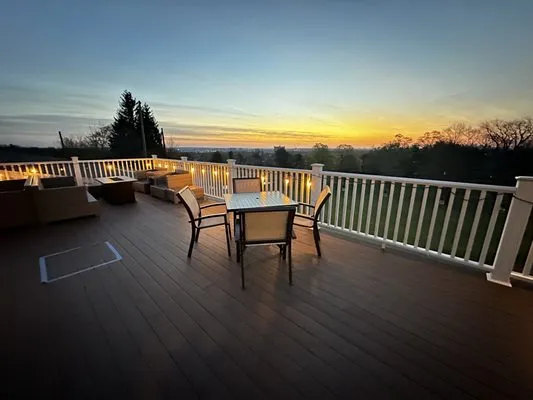
Founded in 1990 by Hector, Reliable Janitorial Services is a locally-owned and minority-operated business serving Boston and New England. Hector's background in the restaurant industry instilled a dee...
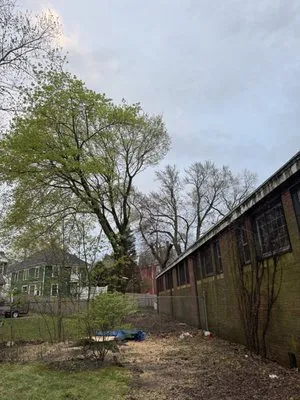
At MM Tree Services in Lynn, MA, we specialize in comprehensive tree and landscape care, bringing a decade of specialized experience with a 110-ton crane to every job. Our team provides a full suite o...
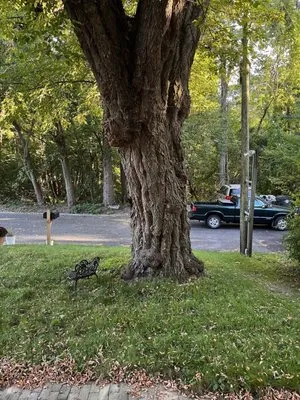
Andrade Tree Service is a trusted, local tree and landscape care provider serving Lynn, Massachusetts. We specialize in comprehensive shrub and tree services, from planting and routine pruning to comp...
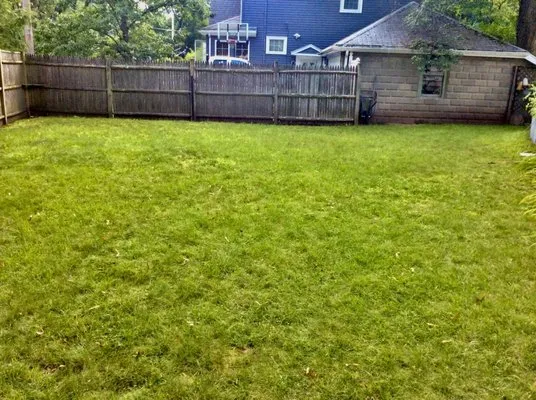
Clipco Landscaping has been a trusted name in Winchester, MA, and the surrounding communities since 2001. As a locally owned and operated business, we take pride in building lasting relationships with...
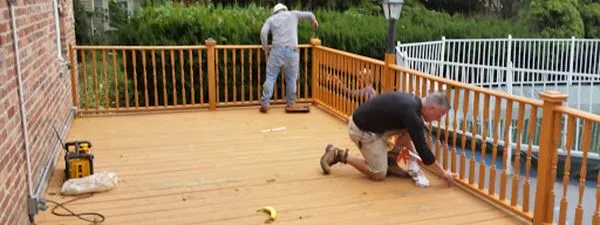
Steve's Services is a trusted landscaping company with over 20 years of experience serving Everett and surrounding communities. Originally founded as Steve's Lawn Care Services, owner Steve Sylva and ...
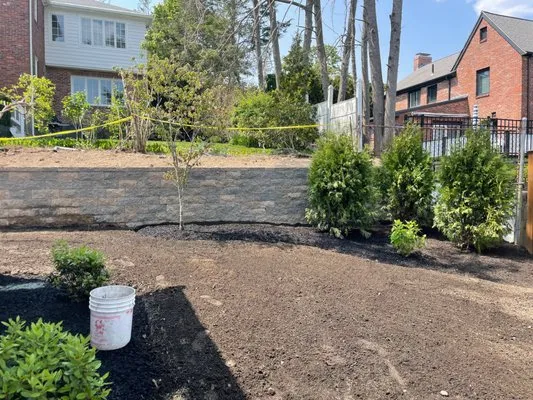
MC Landscaping is a Winchester-based landscaping company with deep roots in the local community. Owner Michael began his journey in landscaping at age 14, working at Mahoney's Garden Center right here...

Small Creek Services is a trusted, full-service landscaping company serving the Boston, MA area. We specialize in comprehensive shrub and tree care, from expert planting and maintenance to disease man...
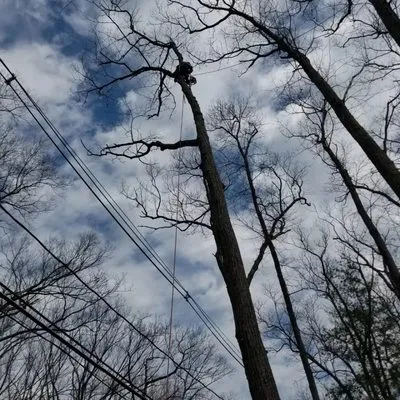
B&S Landscaping & Tree Removal services
Since 2008, B&S Landscaping & Tree Removal has been a trusted, locally-owned company serving Chelsea, MA. We are a small team built on experience, integrity, and professionalism, dedicated to maintain...
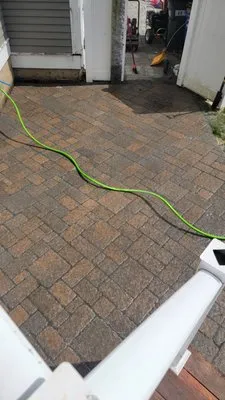
Based in Malden, MA, Hardy Landscapes and Masonry is a full-service contractor specializing in both landscaping and hardscaping. We understand that local homeowners often face issues like bare lawn pa...
Yard Works began its story in Wakefield in 1981 with a single push mower and a commitment to fast, courteous service. From those humble beginnings serving our first neighbor, we've grown into a truste...
Estimated Landscaping Service Costs in Wakefield, MA
Common Questions
How quickly can you respond to emergency storm damage for HOA compliance?
Emergency cleanup crews dispatch from our Lake Quannapowitt facility via I-95/Route 128, reaching Greenwood properties within 20-30 minutes during peak response windows. Our electric maintenance fleet operates within Wakefield's summer noise ordinance restrictions on gas-powered equipment. We prioritize safety assessments before debris removal, documenting conditions for insurance and HOA requirements. This systematic approach ensures compliance while addressing immediate hazards from fallen limbs or drainage blockages.
What solutions address seasonal flooding in my sandy loam yard?
Wakefield's high water table and acidic sandy loam require engineered drainage solutions that work with natural permeability. Permeable concrete pavers and reclaimed granite installations create 30-40% void spaces for water infiltration, meeting Building Department runoff standards. French drains with clean stone aggregate redirect subsurface water away from foundations. These systems manage localized flooding while maintaining soil structure and preventing erosion during heavy precipitation events common in USDA Zone 6b.
Why choose reclaimed granite over wood for patios in our area?
Reclaimed granite offers 50+ year longevity versus wood's 10-15 year lifespan in Wakefield's freeze-thaw cycles. Its thermal mass moderates temperature extremes while creating defensible space important for low Fire Wise ratings in urban-suburban interfaces. Permeable installation methods prevent water pooling common with high water tables. Unlike wood, granite requires no chemical treatments that could leach into acidic sandy loam soils, making it both durable and environmentally compatible.
Why does my Greenwood neighborhood soil seem compacted and acidic even after decades?
Wakefield's 1956 average home construction means soil has matured for 70 years, developing acidic sandy loam with pH 5.5-6.5 typical of New England's glacial history. Greenwood's proximity to Lake Quannapowitt contributes to this soil profile through historical water movement patterns. Core aeration every 2-3 years with organic amendments like composted leaf mold addresses compaction while maintaining proper permeability. This approach improves soil structure without disrupting the established microbial communities essential for plant health.
What invasive species threaten my landscape and how do I treat them safely?
Japanese knotweed and garlic mustard present significant threats in Wakefield, exploiting disturbed soils near I-95 corridors. Manual removal before seed set combined with targeted organic herbicides avoids phosphorus contamination prohibited by state fertilizer laws. Treatment timing aligns with plant growth cycles, not blackout dates, using mycorrhizae inoculants to restore soil biology. This integrated approach manages invasives while protecting Lake Quannapowitt watersheds from chemical runoff.
How can I reduce maintenance while staying ahead of gas-blower restrictions?
Transitioning high-maintenance turf to native plantings like Eastern Redbud, Highbush Blueberry, and Little Bluestem creates self-sustaining landscapes requiring minimal intervention. These species adapted to Wakefield's acidic soils need no supplemental watering once established, eliminating weekly mowing schedules. Purple Coneflower and Sweet Pepperbush provide year-round visual interest while supporting local pollinators. This approach reduces maintenance by 60-80% and eliminates reliance on gas-powered equipment affected by summer noise ordinances.
Can I maintain healthy turf during Wakefield's Stage 1 water restrictions?
Wi-Fi ET-based weather sensing controllers optimize Kentucky Bluegrass and Fine Fescue blends by calculating evapotranspiration rates specific to Wakefield's microclimate. These systems adjust irrigation schedules daily, reducing water use 20-40% while maintaining turf health. During voluntary conservation periods, controllers prioritize deep, infrequent watering at optimal times to minimize evaporation. This technology ensures compliance with municipal water limits while preserving soil moisture for root development.
What permits and licenses are needed for grading my 0.22-acre lot?
Grading work on 0.22-acre Greenwood properties requires Wakefield Building Department permits for earth moving exceeding 50 cubic yards. Massachusetts Division of Professional Licensure mandates licensed site professionals for projects affecting drainage patterns or within 100 feet of wetlands. Certified landscape architects must seal designs altering existing grades by more than 12 inches. These requirements ensure proper water management and prevent downstream impacts on Lake Quannapowitt's watershed system.
