Top Landscaping Services in Three Rivers, MA, 01080 | Compare & Call
There are 113 landscaping companies server in Three Rivers MA
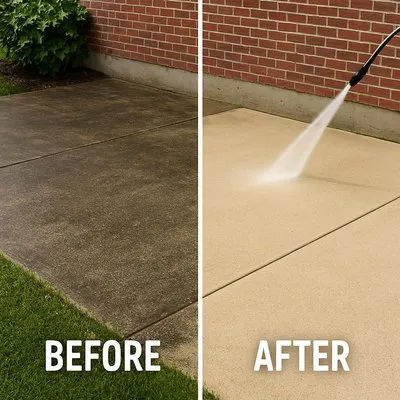
J&D Precision Wash & Fence is your trusted local partner in Palmer, MA, specializing in comprehensive pressure washing, landscaping, and fence & gate services. We help Palmer homeowners and businesses...
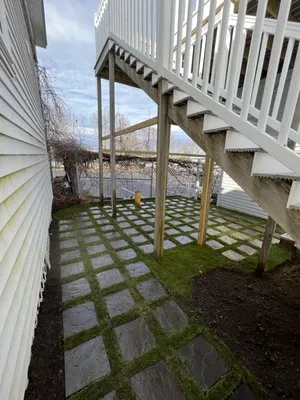
My name is Zach Nicoll, and I'm the owner-operator of Nicoll's Landscaping in Ludlow. My journey in landscaping started young, and I've built on that passion through formal training, earning my GED an...
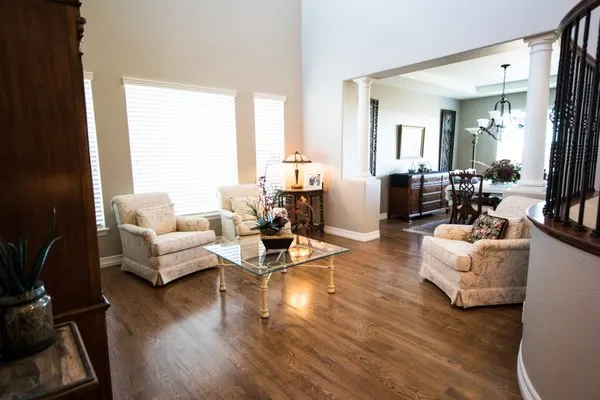
Collective Cleaners
Collective Cleaners is a Florence, MA-based company founded in 2017 by professional cleaners Lia Borrelli and Seth Allison. With years of service industry experience, they built a business where skill...

Amherst Property Management is a boutique firm dedicated to the Amherst community. We intentionally keep our operations small to provide highly personalized service, focusing on building strong relati...

Jeff, owner and operator of Great Outdoors Landscape Services, brings over a decade of professional landscaping and property service experience to Belchertown, MA. Since founding the business in 2015,...
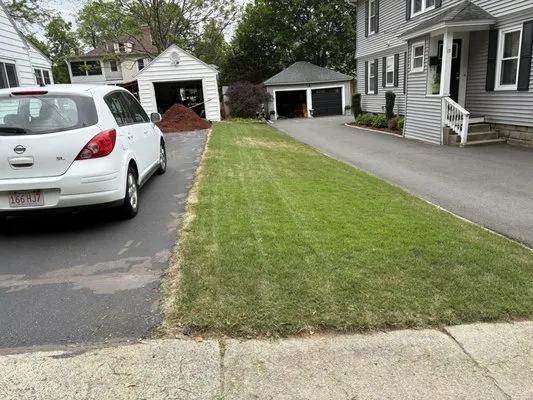
Based in Palmer, MA, Holbrook’s Outdoor Housecare is your local partner for a well-maintained and clutter-free property. We specialize in three core areas to serve homeowners comprehensively: landscap...
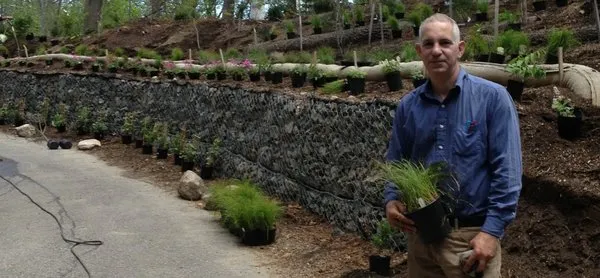
Wellnesscapes Design
Tom Benjamin, RLA, LEED-AP BD+C, is the licensed and insured landscape architect behind Wellnesscapes Design in Haydenville. With over 20 years of experience, Tom specializes in sustainable landscape ...
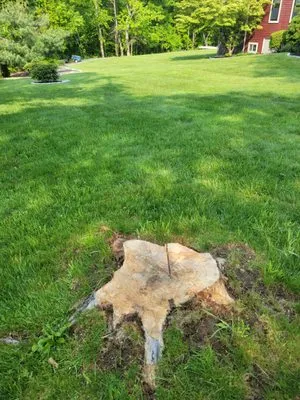
Redemption Tree & Landscape LLC is a veteran-owned, family-operated business proudly serving Oakham and the surrounding Central Massachusetts communities. As a dedicated father-son team, we bring a pe...
Property Preservation of New England is your trusted, local handyman and property maintenance service based in Holland, MA. We provide comprehensive solutions for homeowners, from appliance installati...
Pioneer Fence is a family-owned and operated local business serving Wales, MA, and the surrounding region since 1984. We specialize in providing durable and attractive fencing solutions for both homes...
Estimated Landscaping Service Costs in Three Rivers, MA
Frequently Asked Questions
What permits and licenses are required for grading my 0.25-acre lot?
The Palmer Building and Zoning Department requires grading permits for any cut/fill exceeding 50 cubic yards on 0.25-acre properties. Massachusetts Division of Professional Licensure mandates that contractors performing this work hold Construction Supervisor Licenses. These regulations ensure proper erosion control and drainage compliance. Unlicensed grading risks significant fines and may void property insurance during storm events.
Are granite pavers better than wood for Three Rivers patios?
Granite pavers offer superior longevity with 50+ year lifespans versus wood's 15-20 year maximum. Their non-combustible nature supports Low to Moderate Fire Wise ratings by creating defensible space in WUI zones. Properly installed with polymeric sand joints, they resist frost heave better than wood systems. This material choice reduces long-term replacement costs while maintaining permeability for stormwater management.
Can I maintain Kentucky Bluegrass during Stage 1 water restrictions?
Smart Wi-Fi ET-based weather sensing controllers optimize irrigation by calculating actual evapotranspiration rates. These systems reduce water use by 20-30% while preserving turf health through precise scheduling. They automatically adjust for rainfall and humidity, ensuring compliance with Three Rivers' voluntary conservation measures. This technology maintains fine fescue blends without exceeding municipal water allocation limits.
How quickly can you respond to an emergency tree cleanup after a storm?
Our electric fleet dispatches from the Three Rivers Fire Department area within 20-30 minutes during peak conditions. We route via I-90 (Mass Pike) to minimize travel time while complying with noise ordinances restricting operations after 8 PM. This rapid response meets HOA compliance deadlines for debris removal while ensuring safety protocols are maintained throughout the process.
What invasive species threaten Three Rivers landscapes, and how are they managed?
Japanese knotweed and garlic mustard present significant risks in acidic soils. Manual removal before seed set combined with targeted organic herbicides prevents spread without violating Massachusetts' phosphorus ban. Treatment timing avoids blackout periods when soil test deficiencies might justify regulated applications. Regular monitoring catches new infestations early, protecting native plant communities from displacement.
Why does my Three Rivers Village lawn struggle with compaction and poor drainage?
Properties in Three Rivers Village built around 1952 have 74-year-old soil profiles. Acidic fine sandy loam naturally compacts over decades, reducing permeability and oxygen availability to roots. Core aeration every 2-3 years combined with organic amendments like composted leaf mold addresses this historical degradation. This improves soil structure while maintaining the optimal pH range of 5.8-6.2 for most turf and native species.
What solutions prevent frost heave and seasonal water table issues?
Acidic fine sandy loam's poor drainage exacerbates frost heave susceptibility in Three Rivers' USDA Zone 6a climate. Installing permeable granite paver systems with crushed stone bases creates subsurface drainage channels. These meet Palmer Building and Zoning Department runoff standards by allowing 8-10 inches per hour infiltration rates. French drains connected to dry wells provide additional protection against seasonal high water tables.
How can I reduce maintenance while supporting local ecology?
Replacing high-input turf areas with Eastern Redbud, Sweet Pepperbush, Butterfly Weed, and New England Aster creates resilient landscapes. These natives require minimal watering once established and provide year-round habitat for pollinators. Transitioning to electric maintenance equipment ahead of noise ordinance enforcement reduces operational carbon footprint. This approach aligns with 2026 biodiversity standards while decreasing long-term maintenance costs.
