Top Landscaping Services in Teaticket, MA, 02536 | Compare & Call

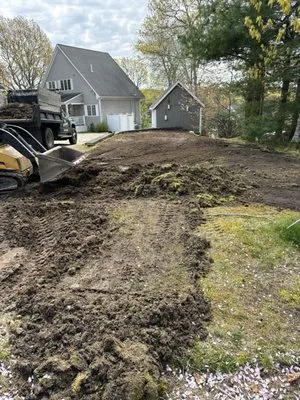
Ed's Landscaping & Tree Service is your trusted local partner for maintaining beautiful and resilient outdoor spaces in Teaticket, MA. We specialize in comprehensive landscape maintenance and expert t...

Miskovsky Landscaping
Miskovsky Landscaping serves the Teaticket and broader Barnstable County community with a thoughtful approach to outdoor living. They specialize in creating functional and beautiful landscapes that ar...

Forever Landscaping & Masonry is a family-run business in Teaticket, MA, built on a legacy of craftsmanship and integrity. Founded on the principles taught by the owner's father, the company combines ...

Cape Cod Elite Lawn Care is a family-friendly landscaping service dedicated to keeping Teaticket lawns healthy and vibrant. We offer comprehensive care that includes mowing, string trimming, and edgin...
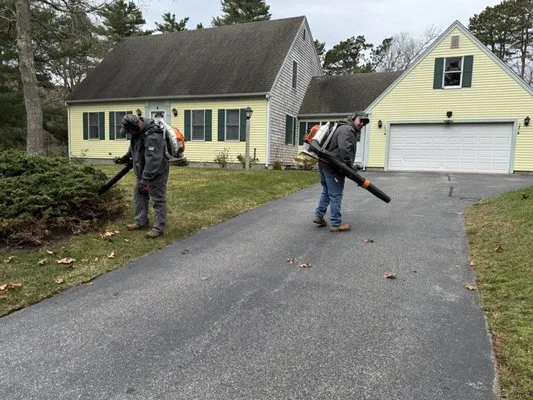
C&W Landscaping is a family-owned and operated business serving Teaticket, MA, with a commitment to local homeowners that has grown over seven years. As a fully insured company, we've built our reputa...
Rose Excavation and Landscaping is a trusted local contractor serving Teaticket, MA, specializing in both excavation and landscaping services. We help homeowners and businesses tackle common local iss...
Frequently Asked Questions
Are granite cobbles better than wood for patio materials here?
Granite cobble and permeable concrete offer superior longevity to wood in Teaticket's coastal climate, resisting salt air corrosion and moisture damage. These materials maintain defensible space requirements for Moderate Fire Wise ratings in the Wildland-Urban Interface. Unlike wood, they don't require chemical treatments that could leach into groundwater. Proper installation with adequate base material ensures decades of service with minimal maintenance.
How do I manage invasive plants without chemical runoff concerns?
Japanese knotweed and oriental bittersweet pose significant threats in Teaticket's coastal environment. Mechanical removal during dry periods prevents soil disturbance that spreads rhizomes. Targeted spot treatments using glyphosate alternatives avoid violating the Town of Falmouth Nitrogen Loading Bylaw during restricted application windows. Establishing dense native plant communities outcompetes invaders while improving soil health through mycorrhizal networks.
How quickly can you respond to storm damage for HOA compliance?
Emergency cleanup crews dispatch from Teaticket Park via MA-28, maintaining a 20-30 minute response window during peak conditions. Our electric equipment fleet operates within the 8:00 AM to 6:00 PM noise ordinance while providing immediate debris removal. We prioritize safety assessments of downed limbs near structures before clearing access routes. Documentation for insurance and HOA requirements is completed on-site with photographic evidence.
What permits are needed for regrading my 0.35-acre property?
Grading work exceeding 100 cubic yards of soil movement requires a permit from the Falmouth Planning and Building Department. Contractors must hold appropriate licensing through the Massachusetts Division of Occupational Licensure, including proper insurance coverage. Erosion control measures must be implemented before work begins, with inspections at critical phases. These regulations protect neighboring properties and prevent sediment runoff into coastal watersheds.
What alternatives reduce mowing and gas equipment noise?
Replacing high-maintenance turf areas with native plantings like Beach Plum, Little Bluestem, and Bayberry creates low-input landscapes that thrive in Zone 7a conditions. These species require minimal watering once established and eliminate weekly mowing needs. Transitioning to electric maintenance equipment ahead of noise ordinance changes reduces operational noise while supporting local air quality goals. Butterfly Milkweed and Sweet Pepperbush provide critical pollinator habitat.
Why does my Teaticket lawn struggle despite regular care?
Teaticket Village properties built around 1970 have acidic sandy loam soil that has matured for 56 years, developing compaction layers from decades of foot traffic and equipment use. This soil type naturally has low organic matter content and poor water retention. Core aeration every 2-3 years combined with compost amendments improves soil structure and microbial activity. The pH range of 5.5-6.2 limits nutrient availability, requiring targeted soil testing before any lime applications.
What solutions prevent runoff issues in my sandy yard?
High permeability sandy loam soils in Teaticket drain quickly but have poor water retention, creating runoff during heavy rains. Permeable concrete pavers and granite cobble installations allow water infiltration while meeting Falmouth Planning Department runoff standards. Dry wells or infiltration trenches capture excess water, reducing erosion on sloped properties. These systems work with the natural soil characteristics rather than against them.
Can I maintain Kentucky Bluegrass during Stage 1 water restrictions?
Smart Wi-Fi ET-based controllers with soil moisture sensors optimize irrigation by applying only what turfgrass needs based on evapotranspiration rates. These systems reduce water use by 25-40% compared to traditional timers while preserving turf health. Programming follows municipal water limits by prioritizing early morning cycles when evaporation is minimal. Regular sensor calibration ensures accurate moisture readings in Teaticket's permeable sandy soils.
