Top Landscaping Services in Swampscott, MA, 01907 | Compare & Call

Dimauro Landscaping is a locally owned and operated landscaping service based in Swampscott, MA, with deep roots in the community since 1995. Owner Michael DiMauro personally oversees projects, ensuri...
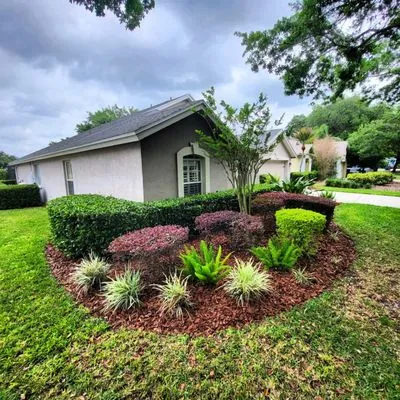
Any Season Landscaping is a trusted Swampscott, MA, provider specializing in lawn care and gutter services. We understand the common local challenges of weed infestation and patchy lawn grass that man...
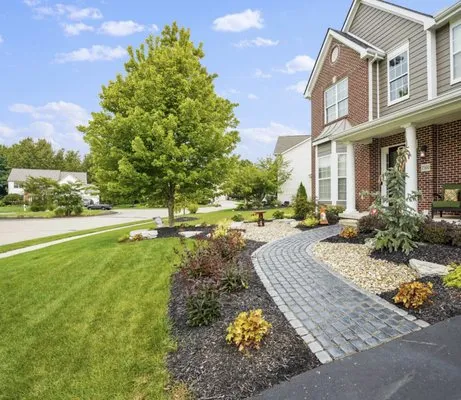
Miguel Lopez Landscaping & Hardscaping
Miguel Lopez Landscaping & Hardscaping has been serving Swampscott, MA, and surrounding communities with comprehensive outdoor solutions since 1960. As a family-operated business spanning multiple gen...

Barbuzzi Landscaping
Barbuzzi Landscaping is a family-owned business serving Swampscott, MA, and surrounding areas for over 30 years. Specializing in irrigation, lawn services, and landscape design, we provide comprehensi...

Collins and Sons Landscaping is a trusted, family-owned landscaping company serving Swampscott, MA. We understand the unique challenges of maintaining beautiful North Shore properties, particularly ma...
Marino Jos F Jr Lndscp Gardnr is a trusted, locally-owned landscaping service in Swampscott, MA, dedicated to creating and maintaining healthy, beautiful outdoor spaces. We specialize in addressing co...

Olson's Turf Irrigation & Landscaping
Since 1969, Olson's Turf Irrigation & Landscaping has been a trusted partner for Swampscott and North Shore homeowners and businesses, providing comprehensive outdoor solutions. We specialize in creat...
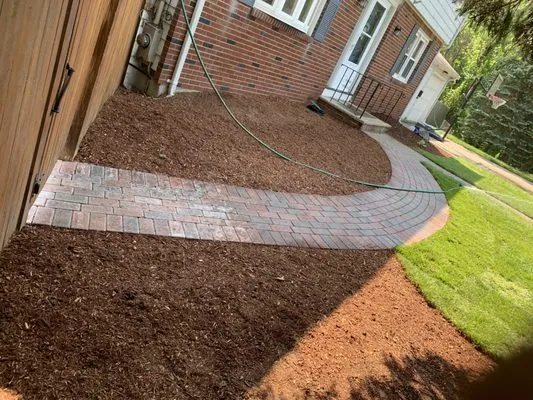
CGP Landscaping is a Swampscott-based landscape and masonry contractor founded in 2004 by owner Christopher Perry. A graduate of Essex Agricultural Tech with a degree in horticulture and arboriculture...
Masscoast Irrigation is your trusted, full-service partner for year-round property care in Swampscott, MA. We specialize in designing, installing, and maintaining custom irrigation systems to ensure a...
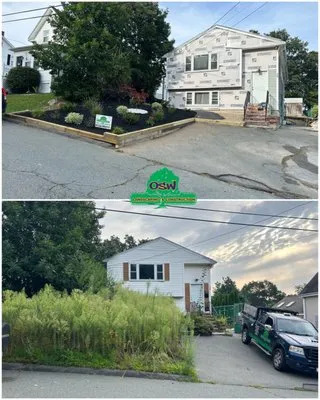
OSW Landscaping & Construction is a full-service Swampscott-based company dedicated to enhancing and maintaining the beauty of local properties. We specialize in comprehensive landscaping, from initia...
Question Answers
How do I keep my lawn green during Swampscott's voluntary water conservation?
Wi-Fi ET-based irrigation systems are essential. They adjust watering schedules in real-time using local evapotranspiration data, applying water only when the Kentucky Bluegrass and Fine Fescue mix truly needs it. This technology can reduce water use by 20-30%, keeping you well within Stage 1 conservation goals. Properly calibrated, it deep-waters roots to withstand drought, making voluntary conservation effective without sacrificing turf health.
My yard pools water after heavy rain. What's the solution with our coastal water table?
Shallow water tables and storm surge exacerbate pooling in dense, acidic sandy loam. The solution is a two-tiered approach: first, install French drains or dry wells to intercept subsurface water. Second, replace impervious surfaces with permeable materials like crushed stone or granite pavers set on a gravel base. These methods increase infiltration, reduce runoff, and will meet the Swampscott Department of Community Development's updated stormwater management standards.
Is granite or wood better for a new patio that will last?
Granite pavers are superior for longevity in Swampscott's coastal climate. They resist moisture decay, salt air corrosion, and insect damage that plagues wood. For a Low Fire Wise rated area like ours, granite also provides critical non-combustible defensible space. While the initial cost is higher, its lifespan and minimal maintenance—no sealing or staining required—offer a better lifetime value and permanence that wood cannot match.
My lawn in the Historic District seems thin and drains poorly. Is this just age?
Homes built around 1954, like many here, have soil that is now over 70 years mature. The prevalent acidic sandy loam becomes highly compacted over decades, losing structure and permeability. This compaction creates a dense layer that restricts root growth and water percolation, leading to poor drainage and thin turf. Core aeration in early fall, followed by amending with compost, is critical to reintroduce organic matter and improve soil biology for long-term health.
A storm knocked down branches. How quickly can a crew respond for HOA compliance?
For emergency storm cleanup, we dispatch from the Town Hall area. Using MA-1A, our peak storm response time to the Historic District is 25-35 minutes. We coordinate with the Department of Community Development on right-of-way debris and utilize electric chippers to comply with the 8:00 PM noise ordinance. The priority is clearing hazards and navigable pathways to meet local safety standards promptly.
Do I need a permit to regrade my small backyard?
Yes. Any significant regrading on a 0.15-acre lot that alters drainage patterns or involves retaining walls over 4 feet typically requires a permit from the Swampscott Department of Community Development. Furthermore, the design and certification of such work must be overseen by a professional licensed by the Massachusetts Board of Registration of Landscape Architects or a related engineering board. This ensures the work complies with state erosion control and building codes, protecting your property and your neighbors'.
I see invasive vines choking my shrubs. How do I treat them without harming my lawn?
Common invasives like Oriental Bittersweet or Japanese Honeysuckle require targeted treatment. Manual removal of roots is best for small patches. For larger infestations, a precise, foliar-applied glyphosate in late summer, avoiding drift onto desirable plants, is effective. Importantly, any treatment must comply with the statewide Phosphorus Ban; most herbicides are nitrogen-based and permissible, but always verify ingredients. Never treat during spring green-up or near wetland edges.
I'm tired of weekly mowing. Are there lower-maintenance, eco-friendly options?
Absolutely. Transitioning sections of high-input turf to a native plant bed featuring Eastern Red Columbine, Butterfly Milkweed, and Sweet Pepperbush drastically reduces maintenance. These plants are adapted to Zone 7a and acidic soil, requiring no fertilizer, minimal water, and no weekly mowing. This shift also pre-adapts your property to pending gas-powered blower restrictions, as native beds generate less debris and support 2026 biodiversity targets for pollinators.
