Top Landscaping Services in Somerville, MA, 02143 | Compare & Call

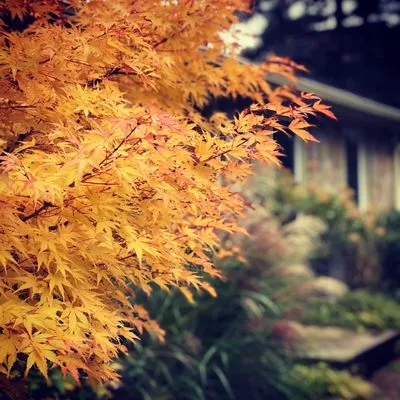
Generous Earth Gardens is the Somerville-based organic landscaping practice of Jocelyn Jones. A life-long gardener, Jocelyn blends a formal education from Harvard's Landscape Institute and Master Gard...
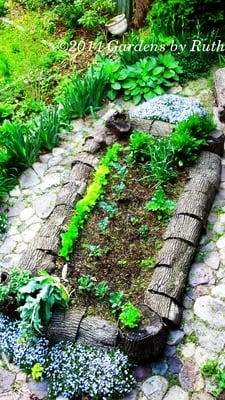
Gardens By Ruth is a Somerville-based gardening and landscape design service dedicated to solving common local yard challenges. Many homes in the area face issues like overgrown shrubs that block wind...
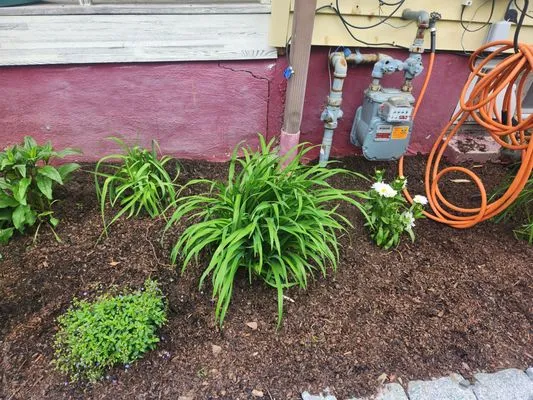
Your Garden Curator, founded in 2005 by Robert Monahan, is a Somerville-based landscaping service dedicated to the organic care and thoughtful design of urban and suburban green spaces. With over fift...

Green City Growers is a Somerville-based urban agriculture pioneer founded in 2008 by Boston native Jessie Banhazl. After a career in television production, Jessie returned to her roots, drawing inspi...
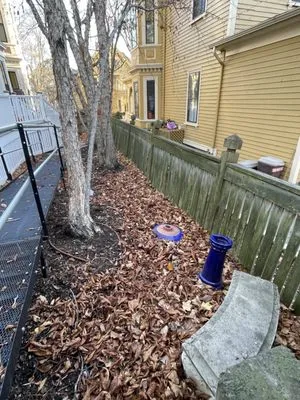
Somerville Landscaping is a locally owned and operated company serving homeowners and businesses in Somerville, Massachusetts. We specialize in comprehensive landscaping, tree care, and snow removal s...
Paz's Landscaping is a trusted local landscaping company serving Somerville, MA, dedicated to enhancing and maintaining outdoor spaces. We specialize in addressing common local issues like bare lawn p...
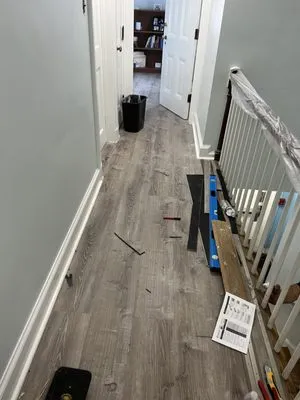
JT Landscaping and Carpenter is a full-service Somerville, MA contractor uniquely combining expert landscaping with skilled carpentry and painting. We specialize in solving common local property chall...
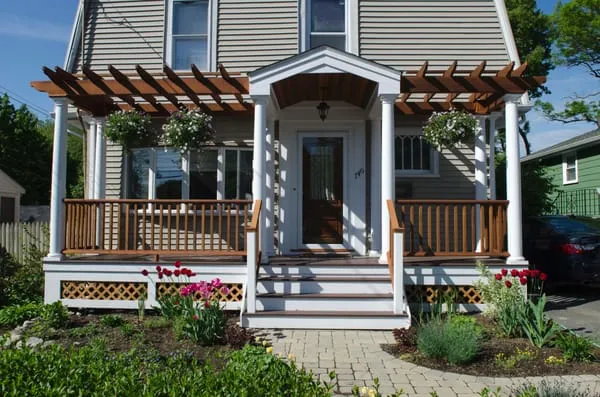
Jorgenson Landscaping Services
Jorgenson Landscaping Services is a Somerville-based landscape design and maintenance company serving residential and commercial clients throughout the area. With expertise in landscape design, shrub ...
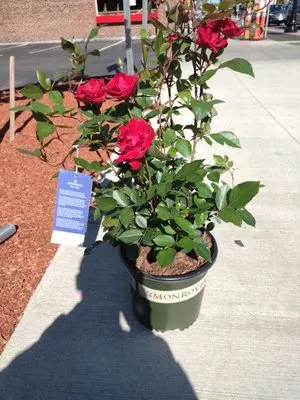
Dwayne Landscaping Company is a trusted, locally-owned landscaping business serving Somerville, MA. We specialize in addressing common local landscaping challenges, particularly sprinkler leaks and de...

HS Landscaping and Masonry is a trusted, full-service provider serving Somerville, MA, and surrounding communities. Our team of trained, insured professionals delivers reliable year-round care for bot...
Common Questions
What solutions address impervious surface runoff in my compacted urban yard?
Urban compaction in sandy loam soils creates drainage hazards where water pools rather than infiltrates. Permeable concrete pavers provide 30-50% greater water permeability than traditional surfaces, meeting Somerville Inspectional Services Department runoff standards. Installing these pavers in high-traffic areas redirects surface water into subsurface layers while reducing erosion. This approach mitigates urban heat island effects and recharges groundwater more effectively.
How do I maintain Kentucky Bluegrass and Fine Fescue during Stage 1 water restrictions?
Smart Wi-Fi ET-based weather sensing controllers optimize irrigation by calculating evapotranspiration rates specific to Somerville's microclimate. These systems adjust watering schedules based on real-time weather data, reducing water use by 20-40% while preserving turf health. The technology automatically complies with voluntary conservation measures by eliminating unnecessary irrigation during rainfall or high humidity periods. This approach maintains grass quality within municipal water allocation limits.
Should I replace high-maintenance turf with native plants given new equipment regulations?
Transitioning to Common Milkweed, New England Aster, Wild Bergamot, and Little Bluestem reduces maintenance demands ahead of gas-powered blower restrictions. These native species require 70% less water than traditional turf and support local pollinator populations. Their deep root systems improve soil structure naturally, decreasing the need for mechanical aeration. This xeriscaping approach aligns with 2026 biodiversity standards while eliminating reliance on soon-to-be-prohibited equipment.
How quickly can you respond to an emergency cleanup for HOA compliance issues?
Our electric maintenance fleet can dispatch from Somerville City Hall via I-93 to reach Union Square properties within 20-30 minutes during peak response windows. This rapid deployment capability addresses urgent situations like storm debris removal or last-minute compliance deadlines. The electric equipment operates quietly within noise ordinance requirements while providing immediate site assessment and remediation.
What permits and licenses are required for grading work on my 0.12-acre property?
The Somerville Inspectional Services Department requires grading permits for any excavation exceeding 6 inches depth or affecting more than 500 square feet. Contractors must hold Massachusetts Division of Occupational Licensure certification for earthwork operations, particularly when modifying drainage patterns. On 0.12-acre lots, even minor grading can impact neighboring properties' water management, necessitating professional oversight. Licensed professionals carry insurance covering subsurface utility protection and erosion control compliance.
Are permeable concrete pavers better than wood for long-term durability in our climate?
Permeable concrete pavers offer 25-40 year lifespans compared to wood's 10-15 year expectancy in USDA Zone 6b conditions. Their non-combustible nature maintains defensible space appropriate for Somerville's low fire-wise rating urban setting. Unlike wood, concrete doesn't rot, warp, or require chemical treatments that could leach into soil. The interlocking design accommodates freeze-thaw cycles without heaving or displacement common with traditional materials.
Why does my Union Square yard have such compacted soil that struggles to drain properly?
Somerville's 1938 average house age means your soil has developed over 88 years of urban fill accumulation. Union Square lots typically feature sandy loam with pH 6.5-7.2 that has become compacted through decades of foot traffic and construction activity. This compaction reduces soil percolation rates below optimal levels for healthy root development. Annual core aeration combined with organic amendments like compost can restore soil structure and improve water infiltration.
How do I manage invasive species without violating phosphorus restrictions?
Japanese knotweed and garlic mustard present the highest invasive risks in Somerville's urban ecosystems. Treatment involves mechanical removal during specific growth phases rather than chemical applications that might conflict with statewide phosphorus bans. Soil testing determines if new lawn establishment qualifies for limited phosphorus use under ordinance exceptions. Implementing cultural controls like dense native plantings creates competition that suppresses invasive reestablishment without fertilizer dependency.
