Top Landscaping Services in Shelburne Falls, MA, 01370 | Compare & Call
There are 48 landscaping companies server in Shelburne Falls MA
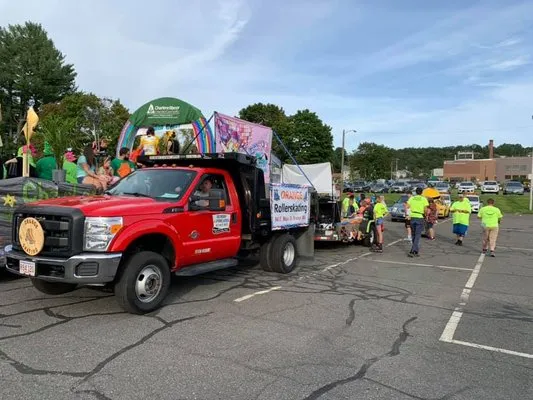
Demers Landscaping and Excavating
Demers Landscaping and Excavating has been serving Turners Falls and surrounding communities since 1970 as a family-operated business. We specialize in comprehensive outdoor solutions, combining decad...
Snow & Sons Landscaping is a family-owned and operated business that has been a trusted partner for Greenfield homeowners and businesses since 1980. For over four decades, we've combined deep-rooted l...
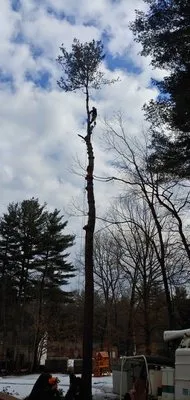
Lanoue Tree & Landscape Service
Lanoue Tree & Landscape Service has been a trusted name in Colrain and the Pioneer Valley since 1981, combining tree maintenance and removal with comprehensive landscape design and construction. As a ...

Walker Property Maintenance LLC is a Turners Falls-based company dedicated to providing reliable and comprehensive property care. We specialize in landscaping, tree services, and hardscaping, includin...
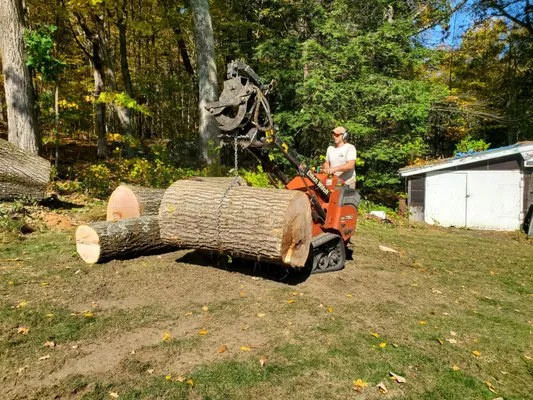
Martino Tree Service is a locally owned and operated business proudly serving Montague and Franklin County, Massachusetts. With more than two decades of hands-on experience, our team brings reliable, ...
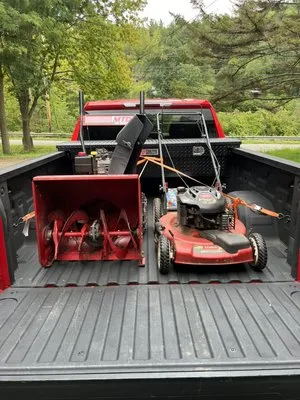
M&M Landscaping is a trusted, family-owned landscaping company serving Colrain and the surrounding Franklin County area. We specialize in comprehensive lawn and shrub care, from routine maintenance li...
Catamount Lawn & Property Services is a trusted local lawn care provider serving Colrain, MA, and the surrounding Franklin County area. We specialize in comprehensive lawn care solutions designed to a...
For over 20 years, I've been caring for lawns and landscapes throughout the region, building my skills while working with respected local businesses. Now, it's time to put that experience to work for ...
Estimated Landscaping Service Costs in Shelburne Falls, MA
Common Questions
How do I control invasive species without violating fertilizer rules?
Japanese knotweed and garlic mustard pose significant threats in Shelburne Falls' woodland edges. Manual removal before seed set combined with targeted glyphosate applications to cut stems avoids phosphorus fertilizer restrictions. Treatment timing considers Massachusetts' phosphorus-free requirements and avoids late April mulching season when soil disturbance could spread invasive rhizomes. Always conduct soil testing before any amendment application.
Is local granite better than wood for patio materials?
Local granite and fieldstone offer 50+ year durability versus wood's 10-15 year lifespan in Shelburne Falls' freeze-thaw cycles. These materials provide non-combustible defensible space crucial in Moderate Fire Wise rated areas. Properly installed with permeable joints, stone hardscapes manage runoff while complementing Historic District aesthetics. Granite's thermal mass moderates microclimates for adjacent plantings more effectively than wood decking.
Should I replace high-maintenance turf with native plants?
Transitioning to Eastern Redbud, Wild Bergamot, and New England Aster communities reduces mowing frequency while providing year-round habitat for pollinators. These native species require no supplemental irrigation once established and tolerate Shelburne Falls' USDA Zone 5b winters. This approach aligns with municipal transition toward electric equipment by eliminating weekly gas-powered mowing during May-September peak seasons.
How quickly can you respond to storm damage for HOA compliance?
Emergency cleanup dispatch from the Bridge of Flowers area follows MA Route 2 with 45-60 minute peak response times during severe weather events. Our electric equipment fleet operates within Shelburne Falls' 8:00 AM - 7:00 PM noise ordinance window while providing immediate debris removal. We prioritize safety assessments before clearing fallen limbs, particularly in the Woodland-Urban Interface where moderate fire risk requires proper vegetation management.
Why does my Shelburne Falls Historic District lawn struggle despite regular care?
Shelburne Falls properties average 88 years of soil development since 1938 construction, creating acidic fine sandy loam with pH 5.5-6.2 that has become compacted over decades. This soil type in the Historic District naturally resists water infiltration and nutrient availability for turfgrass. Core aeration every 2-3 years combined with organic amendments like composted leaf mold addresses compaction while gradually adjusting pH toward optimal 6.0-7.0 for your Kentucky Bluegrass blend.
What solutions prevent erosion on sloped properties?
Acidic fine sandy loam on Shelburne Falls slopes has high erosion potential due to limited organic matter and rapid surface runoff. Permeable local granite or fieldstone dry creek beds with 12-18 inch gravel bases redirect water while meeting Shelburne Planning Board runoff standards. French drains wrapped in non-woven geotextile filter fabric prevent soil migration while native plantings like Little Bluestem stabilize slopes with deep root systems.
What permits and licenses are needed for grading my 0.35-acre lot?
Grading projects exceeding 100 cubic yards of earth movement require Shelburne Planning Board review for erosion control compliance. Massachusetts Division of Occupational Licensure mandates Home Improvement Contractor registration for any project over $1,000, with additional requirements for proper drainage system installation. Professional landscape architects must seal designs that alter natural drainage patterns on sloped terrain common in the Historic District.
Can I maintain healthy grass under Stage 1 water restrictions?
Smart Wi-Fi soil moisture sensors optimize irrigation by tracking evapotranspiration rates and delivering water only when soil moisture drops below 50% capacity. This technology reduces water use 30-40% while preserving Kentucky Bluegrass and Fine Fescue blends through dry periods. Programming follows municipal voluntary conservation guidelines with deep, infrequent watering cycles that encourage deeper root development and drought tolerance.
