Top Landscaping Services in Sharon, MA, 02067 | Compare & Call

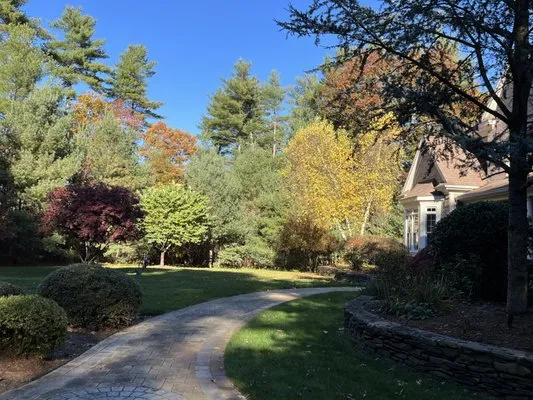
Since 1987, Fine Landscaping & Maintenance has been a trusted, locally-owned landscaping provider in Sharon, Massachusetts. Founded by Aaron Fine, who built the company through dedication and hands-on...
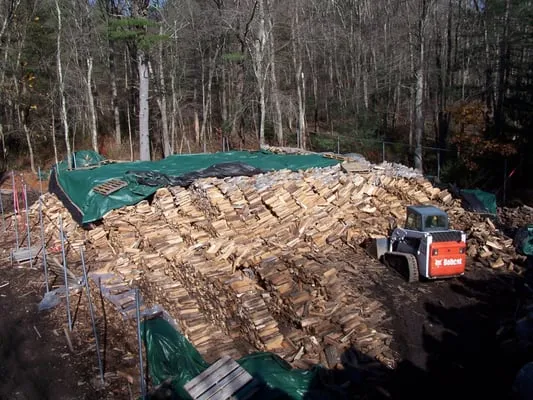
Gary's Tree And Landscape Service has been a trusted local provider in Sharon, MA, since 1984, offering comprehensive tree care, landscaping, and firewood solutions. As a lifelong Sharon resident, own...
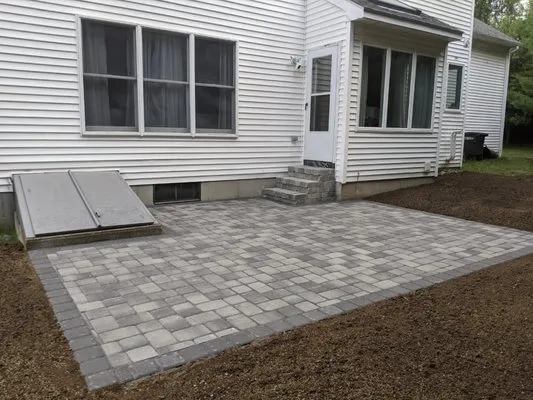
Green Fields Landscaping is a Sharon-based landscaping company dedicated to transforming outdoor spaces with comprehensive services ranging from initial design to ongoing maintenance. Serving Sharon, ...
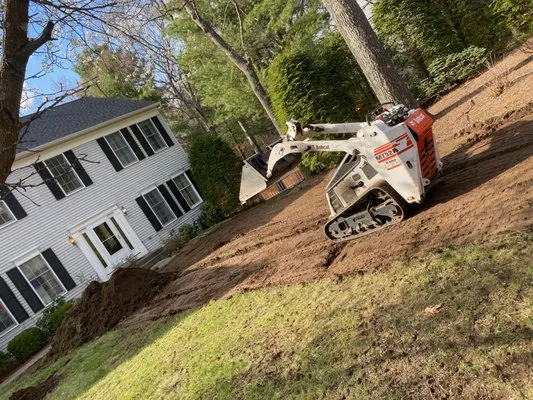
Sharon Landscape
Sharon Landscape is a locally owned and operated landscaping company serving Sharon, MA, with over 10 years of hands-on experience. Founded by an owner with both a business degree and a passion for ou...
McGuire Tree & Landscape
McGuire Tree & Landscape has been serving Sharon, MA, and Southeastern Massachusetts since 1994 as a full-service professional landscaping company. We specialize in comprehensive tree care, including ...
Kahn Landscaping is a trusted, locally-owned landscaping company serving Sharon, MA, and the surrounding area. We specialize in providing comprehensive care for residential properties, focusing on the...
John's Landscaping is a trusted local landscaping company serving homeowners in Sharon, MA. We specialize in addressing common residential landscaping challenges that many Sharon properties face, such...
J Holland Landscaping provides dependable lawn care and snow removal services for homeowners and businesses in Sharon, MA. We understand the local challenges, from winter weather damaging landscape ed...

Rivers Landscaping and Lawn Care is a trusted local provider in Sharon, MA, offering comprehensive landscaping, tree services, and snow removal. We specialize in earthmoving and regrading to address c...
Dirgam Public Services is a trusted, locally-owned provider in Sharon, MA, specializing in year-round property care. We understand that local homeowners often face landscaping challenges like poor law...
Questions and Answers
Is it worth using granite and fieldstone instead of wood for a new patio or retaining wall?
For longevity and fire resilience, inorganic materials like granite pavers and fieldstone are superior. They do not rot, warp, or attract pests, providing a permanent structure. In Sharon's Moderate Wildland-Urban Interface rating, using non-combustible materials for patios, walls, and pathways within the defensible space zone around your home is a wise fire-wise practice. Stone also integrates seamlessly with the New England aesthetic and requires only occasional cleaning, not staining or sealing.
If a major storm downs a tree and blocks my driveway, how quickly can an emergency crew get here?
For an emergency cleanup, our dispatch from the Lake Massapoag area utilizes I-95 for direct access to Sharon Center. Accounting for peak traffic conditions, a dedicated crew with electric chippers and saws—compliant with the 7:00 AM to 7:00 PM noise ordinance—can typically be on-site within 25-35 minutes. This response prioritizes safety and HOA compliance, focusing first on clearing access roads and hazardous limbs before proceeding with full debris removal and chipping.
My yard stays soggy for days after rain. What's causing this, and what's a lasting solution?
This is a classic symptom of our area's moderate seasonal high water table combined with poor infiltration in acidic sandy loam. The soil's structure often lacks sufficient permeability. A lasting solution involves regrading to create positive surface flow away from foundations and installing subsurface French drains or dry wells. For any new patios or walkways, specifying permeable installations using granite pavers or fieldstone set on a gravel base can significantly reduce runoff, often a requirement for approval from the Town of Sharon Planning Department.
I'm tired of constant mowing and blowing. Are there lower-maintenance, eco-friendly alternatives for my yard?
Absolutely. Transitioning areas of high-maintenance turf to a climate-adaptive landscape using native plants is a forward-thinking solution. Species like Highbush Blueberry, Eastern Redbud, Sweet Pepperbush, and Little Bluestem are adapted to our Zone 6b climate and acidic soils, requiring minimal watering once established and no weekly mowing. This shift also reduces dependency on gas-powered blowers, aligning with evolving noise ordinances and supporting local biodiversity well beyond 2026 standards.
My lawn and garden beds in Sharon Center seem to struggle, and I've been told the soil is 'old.' What does that mean for my property?
The average 1954 construction date in Sharon indicates soil that has been in place for over 70 years. On 0.50-acre lots with our acidic sandy loam, this history typically means severe compaction from decades of foot traffic and equipment, reducing pore space for roots and water. The naturally low pH (5.5-6.2) can also limit nutrient availability for common turf grasses. Corrective action requires core aeration to relieve compaction, followed by amendments like compost to build organic matter and improve the soil's biological activity and structure.
I want to significantly regrade my half-acre lot. What permits and professional qualifications should I look for?
Regrading a 0.50-acre property that affects drainage patterns or stormwater runoff typically requires a permit from the Town of Sharon Planning Department. The design and oversight of such significant earthwork should be performed by or under the direct supervision of a professional licensed by the Massachusetts Board of Registration of Landscape Architects. This ensures the plan accounts for soil stability, proper drainage away from foundations and neighboring properties, and compliance with all local environmental and zoning bylaws, protecting your investment.
How can I keep my Kentucky Bluegrass lawn healthy during Sharon's voluntary water conservation stages?
Smart Wi-Fi ET-based irrigation is the key to conservation. The system uses local weather data to apply water only when evapotranspiration rates indicate the grass needs it, avoiding wasteful schedules. For your turf blend, this means deep, infrequent watering cycles that encourage deeper root growth and drought tolerance. This precise approach often uses less water than manual watering, keeping your lawn within voluntary conservation limits while maintaining its health through the summer.
I've spotted what looks like Japanese Knotweed and burning bush. How should I handle these invasives?
Early identification and action are critical. For woody invasives like burning bush, cut-stump treatment with an approved herbicide in late summer is effective. Herbaceous invaders like knotweed require persistent cutting and targeted foliar sprays. All treatments must use phosphorus-free fertilizers and herbicides as mandated by Massachusetts state law, and applications should be timed to avoid local blackout dates for nutrient management. For severe infestations, professional remediation ensures safe, complete removal.
