Top Landscaping Services in Saugus, MA, 01906 | Compare & Call
There are 211 landscaping companies server in Saugus MA
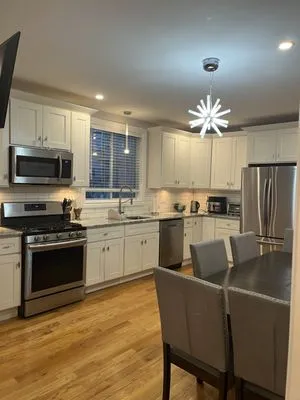
Unique Design Landscaping & Construction in Lynn, MA, is a locally owned and operated business founded by Noel, who started the company over 20 years ago to address the lack of professional contractor...
Gallugi Landscaping is a trusted, locally-owned landscaping company serving the Wakefield, MA community. We understand the specific challenges homeowners in our area face, from sudden irrigation timer...
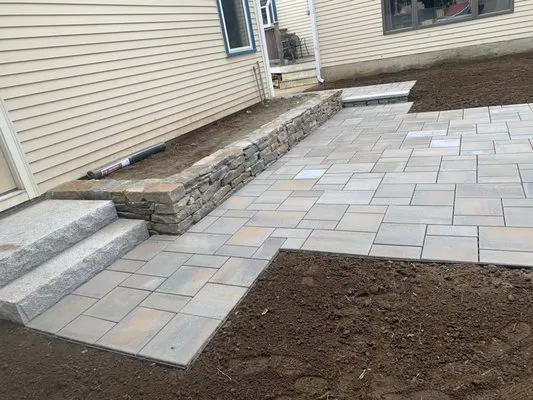
Elmer's Landscaping and Construction is a Lynn-based company serving homeowners with comprehensive outdoor solutions. We specialize in landscaping, construction, snow removal, and tree services to add...
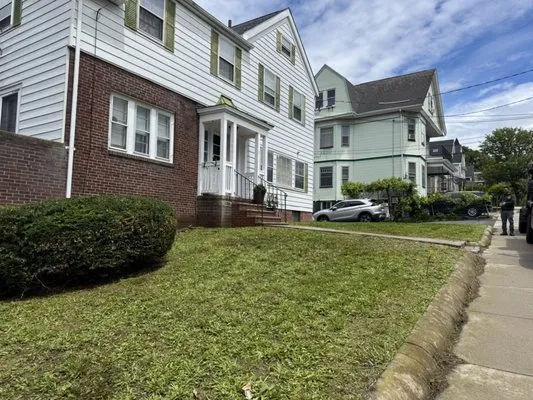
A.L Masonry And Tree Services is a trusted Lynn-based company founded in 2008, bringing over a decade of expertise to masonry, tree care, and landscaping projects. We specialize in honest communicatio...
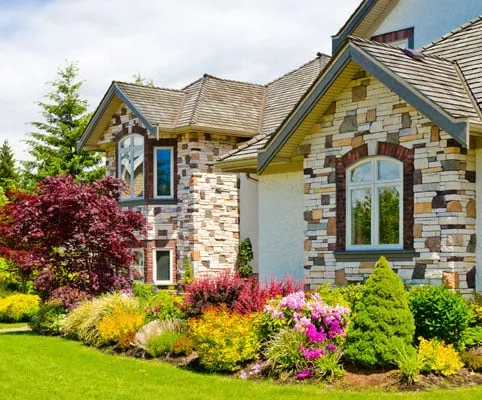
Augusto Landscaping & Construction is a trusted local business serving Lynn, MA, and surrounding communities. We specialize in solving common North Shore landscaping challenges, particularly tree root...
For over three decades, The Brian Stone Landscape Company has been a trusted name for homeowners in Peabody and the surrounding North Shore area. Our longevity is built on a foundation of passion for ...
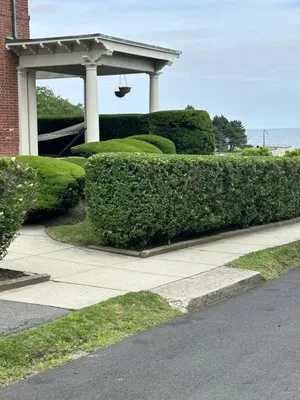
Danny Landscaping is a full-service landscaping company serving Lynn, MA, and surrounding areas. We specialize in comprehensive solutions for local homeowners facing common landscaping challenges like...
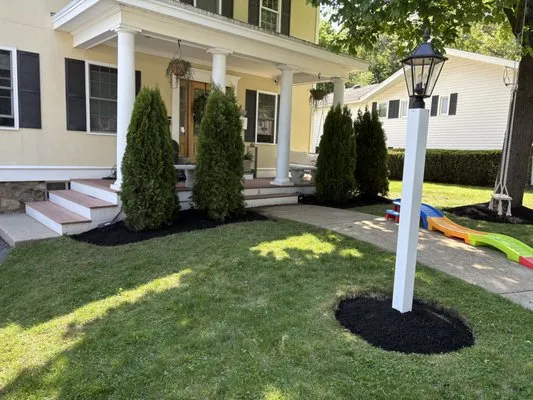
Solution Landscaping has been a trusted name in Wakefield, MA, since 2013, founded on the principle of providing dependable, high-quality landscaping services to local homeowners. We approach each pro...
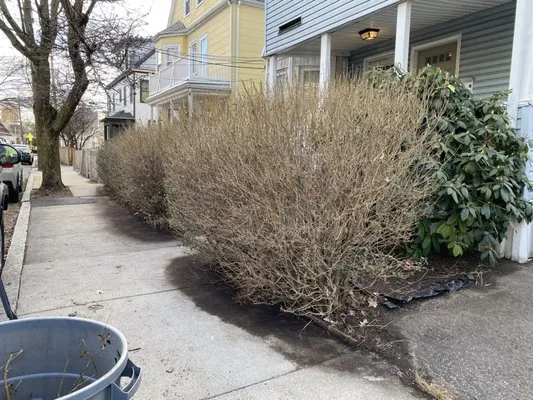
Sparkes Classic Services is your trusted local expert for comprehensive landscaping and pressure washing in Woburn, MA. We specialize in a full range of services, from gardening and lawn care to speci...
Joe Angelo Painting & Home Improvement is a locally owned and operated business in Stoneham, MA, specializing in painting, handyman services, and landscaping. With years of experience in property mana...
Estimated Landscaping Service Costs in Saugus, MA
Questions and Answers
How should I manage invasive species without violating fertilizer regulations?
Japanese knotweed and garlic mustard pose significant threats in Saugus, requiring mechanical removal before seed set in early summer. Massachusetts Plant Nutrient Regulations (330 CMR 31.00) prohibit certain fertilizer applications during blackout periods, making targeted herbicide applications the most effective control method. Always apply treatments according to label directions and consider soil pH adjustments to favor native species establishment over invasives.
Can I maintain healthy Kentucky Bluegrass and Fine Fescue turf under Stage 1 water restrictions?
Smart Wi-Fi ET-based weather sensing irrigation systems precisely match evapotranspiration rates to reduce water use by 20-30% while preserving turf health. These systems automatically adjust schedules based on real-time weather data, staying within voluntary conservation guidelines. Deep, infrequent watering encourages deeper root growth in sandy loam soils, making grasses more drought-resistant during dry periods.
What permits and licenses are required for grading work on my 0.22-acre property?
The Saugus Department of Planning and Economic Development requires grading permits for any earth movement exceeding 50 cubic yards on residential lots. Massachusetts Board of Registration of Landscape Architects licensing ensures professionals understand soil mechanics and drainage principles critical for proper execution. Even on smaller 0.22-acre properties, improper grading can create drainage issues affecting neighboring lots, making professional oversight essential for compliance and long-term stability.
Why does my Cliftondale lawn struggle with compaction and poor drainage despite regular care?
Saugus homes built around 1960 have soil that has matured for approximately 66 years, developing a dense structure in acidic sandy loam. This soil type naturally compacts over decades, reducing permeability and oxygen availability to roots. Core aeration with organic amendments like composted leaf mold addresses compaction while maintaining the pH 5.5-6.5 range. Regular soil testing every 2-3 years monitors organic matter content to prevent further degradation.
How quickly can you respond to emergency storm damage for HOA compliance in Saugus?
Emergency cleanup crews dispatch from the Saugus Iron Works National Historic Site area, taking Route 1 to reach Cliftondale neighborhoods within 25-35 minutes during peak conditions. This response time accommodates immediate debris removal and safety hazard mitigation. Electric equipment operates within the 8:00 AM to 6:00 PM noise ordinance window while providing sufficient power for branch removal and site stabilization.
What drainage solutions work best for properties with high water tables in Saugus?
Seasonal saturation in acidic sandy loam requires French drains or dry wells to manage subsurface water movement. Permeable granite paver installations with gravel bases increase infiltration rates by 40-50% compared to solid surfaces. The Saugus Department of Planning and Economic Development requires drainage plans that demonstrate runoff reduction through these permeable systems, particularly important given the region's moderate fire risk rating.
Are granite pavers better than wood for durable, fire-resistant landscaping in Saugus?
Granite pavers and fieldstone offer superior longevity with minimal maintenance compared to wood, which requires regular sealing and replacement. These materials contribute to defensible space requirements under moderate Wildland-Urban Interface Standards by creating non-combustible zones around structures. Proper installation with adequate base materials ensures stability in freeze-thaw cycles characteristic of USDA Zone 6b while providing excellent drainage properties.
What alternatives exist for reducing lawn maintenance while supporting local ecology?
Replacing high-maintenance turf with native plantings like Highbush Blueberry, Wild Columbine, Joe-Pye Weed, and Little Bluestem creates resilient landscapes requiring minimal inputs. These species support pollinators while adapting to Zone 6b conditions without supplemental irrigation. Transitioning to electric maintenance equipment aligns with evolving municipal guidelines, reducing noise pollution and fossil fuel dependence in residential areas.
