Top Landscaping Services in Reading, MA, 01867 | Compare & Call
There are 198 landscaping companies server in Reading MA
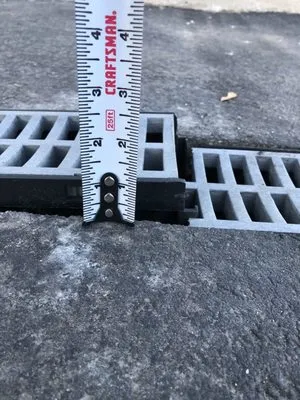
J and R Fine Landscaping
Jim, the owner of J and R Fine Landscaping in North Reading, MA, brings over 40 years of hands-on experience to every project. A graduate of UNH with a degree in Forestry, he began his career in 1983 ...
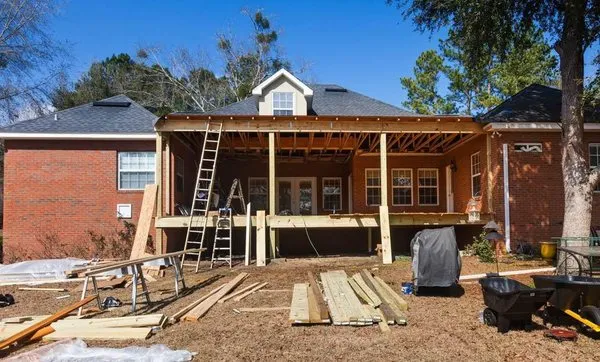
ASAP Construction is a locally owned and operated business founded by Steve Parent and Arthur Allen, both seasoned professionals who began working together on side projects while in the construction u...

DG Outdoor Services is a Peabody-based contractor combining 17 years of hands-on construction expertise with the discipline of a Marine Corps veteran. Founder David G. brings over a decade of leadersh...
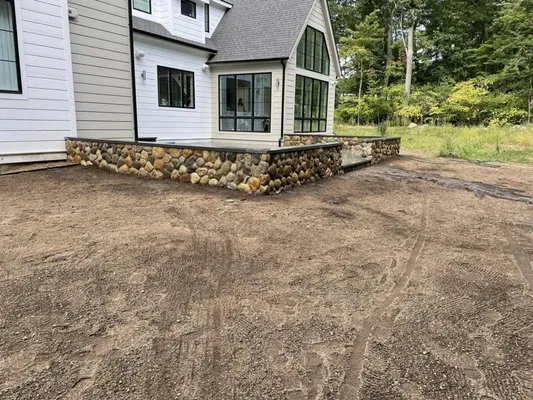
Barrios Landscaping is a trusted, full-service landscaping company serving Holliston, MA, and surrounding communities. We specialize in comprehensive solutions that address common local challenges lik...
Perennial Landscape is a Woburn-based landscaping contractor with nearly 20 years of experience serving Massachusetts communities. Founded and led by owner Scott Carzo, the company has grown steadily ...
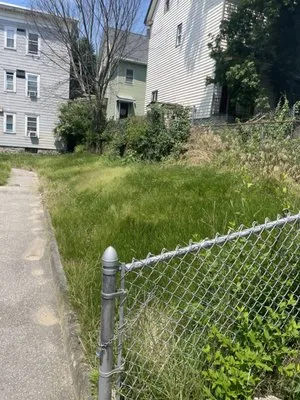
Finnegan's Landscaping is a Wilmington-based business with six years of hands-on experience in the field, including three years operating as a dedicated local service. We focus on providing reliable, ...
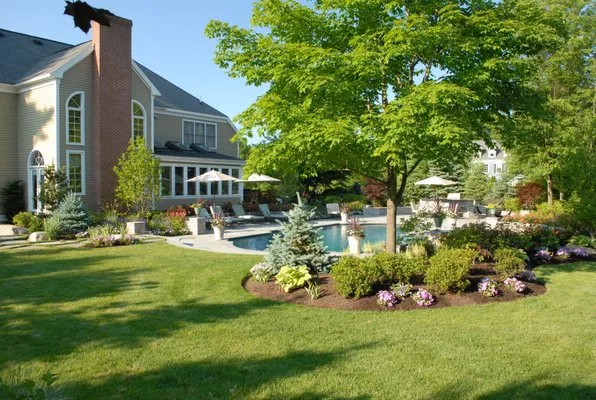
ESD Associates is a full-service landscape design and build company serving the Jefferson, MA community. We specialize in creating harmonious outdoor spaces that blend aesthetic creativity with functi...
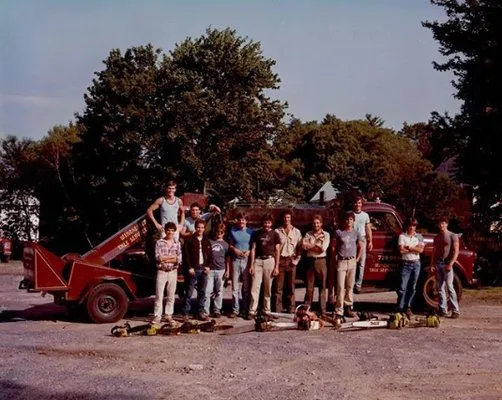
Boston Tree Preservation in Woburn, MA, is a dedicated tree and lawn care service provider with deep roots in organic practices. Founded in 1977 by Peter, who recognized the unsustainable nature of co...
Serving Malden and the Boston area since 2001, ldeal Landscaping is a locally owned and operated company dedicated to transforming and maintaining outdoor spaces. With over two decades of experience, ...
Hammond Landscaping is a full-service landscaping company serving Woburn, MA, and surrounding areas. We specialize in comprehensive landscape solutions including earthmoving, irrigation systems, hards...
Estimated Landscaping Service Costs in Reading, MA
Q&A
How quickly can you respond to storm damage for HOA compliance?
Emergency cleanup crews dispatch from Reading Town Common via I-95/Route 128 with 20-30 minute peak response times. We prioritize safety assessments before debris removal, coordinating with utility companies when needed. Electric equipment operates within Reading's 8pm-7am noise ordinance for after-hours emergencies. Documentation for insurance and HOA requirements is provided within 24 hours of service completion.
Can I maintain healthy turf under Stage 1 water restrictions?
Wi-Fi ET-based weather sensing controllers optimize Kentucky Bluegrass and Fine Fescue blends by adjusting irrigation to actual evapotranspiration rates. These systems reduce water use 20-30% while preventing drought stress during voluntary conservation periods. Deep, infrequent watering encourages root growth below the seasonal saturation layer. Programming follows municipal guidelines while maintaining turf health through precise moisture management.
What permits and licenses are needed for grading my 0.25-acre lot?
Grading projects exceeding 100 cubic yards of earth movement require permits from Reading Community Development Department, with erosion control plans meeting Massachusetts stormwater standards. Design work must be supervised by professionals licensed through the Massachusetts Board of Registration of Landscape Architects when altering drainage patterns or creating retaining walls over 4 feet. Proper licensing ensures compliance with setback requirements and protects against liability for downstream water issues.
What invasive species threaten Reading landscapes, and how are they managed?
Japanese knotweed and garlic mustard pose significant threats in Zone 6b, outcompeting natives and degrading soil health. Treatment involves targeted herbicide applications during active growth periods, avoiding Massachusetts Plant Nutrient Regulations blackout dates. Manual removal works for small infestations when roots are thoroughly extracted. Preventative measures include early detection monitoring and maintaining dense native plant communities that resist invasion through competitive exclusion.
Are permeable pavers better than wood for patio materials in Reading?
Permeable concrete pavers and granitic cobblestone outperform wood in longevity, requiring no chemical treatments and lasting 25+ years versus wood's 10-15 year lifespan. These materials support Reading's low Firewise rating by creating defensible space without combustible materials. Proper installation includes geotextile fabric and gravel bases that handle freeze-thaw cycles while managing the high water table. Permeable systems also reduce stormwater runoff more effectively than sealed surfaces.
What solutions work for Reading's high water table issues?
Seasonal saturation in acidic sandy loam requires subsurface French drains paired with permeable concrete pavers. These systems manage runoff while meeting Reading Community Development Department standards for stormwater infiltration. Grading should direct water away from foundations toward rain gardens planted with water-tolerant natives. Proper drainage prevents root rot in landscape plants while reducing basement moisture problems common in this soil type.
How can I reduce maintenance while supporting local ecology?
Replacing high-input turf with Eastern Redbud, Highbush Blueberry, Purple Coneflower, and Switchgrass creates resilient landscapes requiring less water and no gas-powered equipment. These natives support pollinators while aligning with Reading's transition to electric maintenance fleets. Reduced mowing frequency decreases carbon emissions and noise pollution. Established native plantings typically need only annual pruning and occasional division, cutting maintenance time by 60-70%.
Why does my Reading Center lawn struggle despite regular care?
Reading's 1958-era homes have 68-year-old soil profiles where acidic sandy loam has become compacted and nutrient-depleted. This soil type naturally loses organic matter over decades, reducing water retention and root penetration. Core aeration with compost amendments addresses compaction while adjusting pH toward neutral. Mature lots in this neighborhood benefit from mycorrhizae inoculants to rebuild soil biology disrupted by historical construction practices.
