Top Landscaping Services in Raynham, MA, 02767 | Compare & Call

There are 177 landscaping companies server in Raynham MA
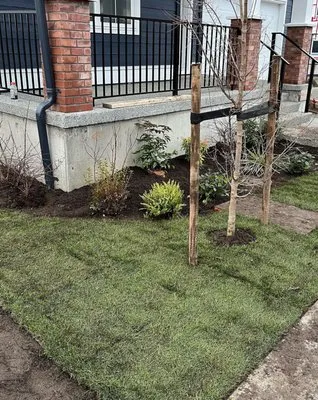
Mattapan Lawn Services, led by Clint in Boston, MA, specializes in sustainable landscaping and irrigation solutions. Since 2018, we've transformed over 500 local properties into water-efficient, envir...
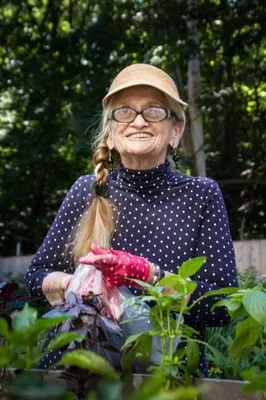
Green City Growers is a Somerville-based urban agriculture pioneer founded in 2008 by Boston native Jessie Banhazl. After a career in television production, Jessie returned to her roots, drawing inspi...

CMC Hardscape & Masonry is a licensed, full-service contractor based in Weymouth, MA, dedicated to transforming properties throughout the South Shore. We specialize in blending robust masonry and hard...
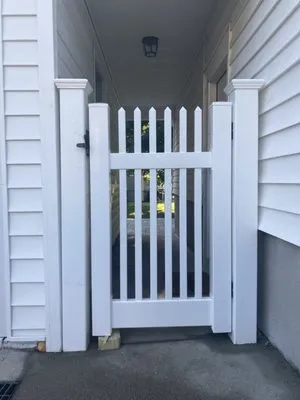
M.J. Nicholls Landscaping is a trusted local business founded in 1996 by Matthew Nicholls, a Quincy native who started with neighborhood lawn jobs. Matthew's formal education in Landscape Contracting ...

Small Creek Services is a trusted, full-service landscaping company serving the Boston, MA area. We specialize in comprehensive shrub and tree care, from expert planting and maintenance to disease man...
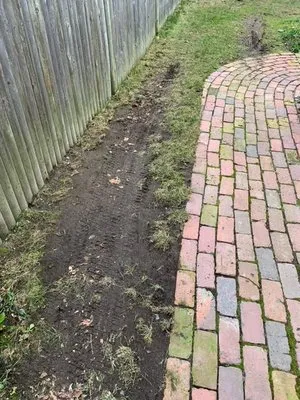
JR's Landscaping in Stoughton, MA, is a locally owned and operated business that has been serving the South Shore community since its founder started it in high school. Over the years, it has grown in...
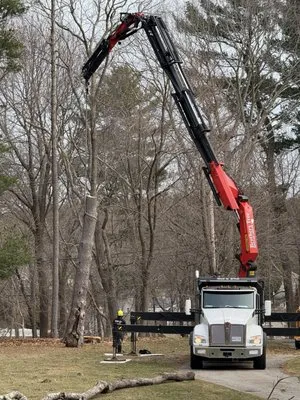
Brothers Tree Service and Landscape is a trusted, locally-owned and operated tree and lawn care provider serving Weymouth and the surrounding South Shore communities. Established in 2010, our team of ...
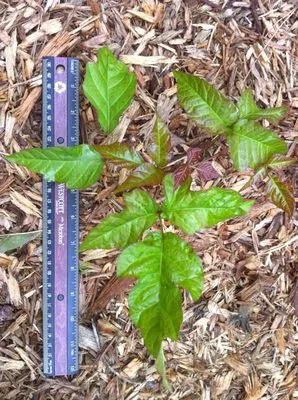
Growing up on a farm in north Florida instilled a lifelong appreciation for working outdoors. Years ago, a friend and licensed poison ivy expert offered me a chance to join his field, and I haven't lo...
HPH Tree Service And Landscape is a locally owned and operated tree and landscaping company serving Stoughton, MA, and the surrounding areas. With nearly 15 years of combined experience in the tree re...
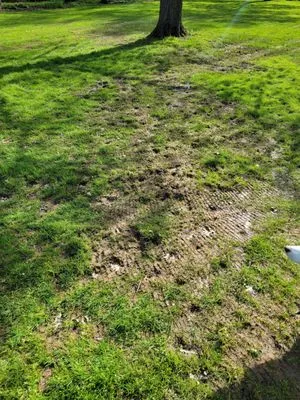
TLC The Lawn Company has been a trusted family-owned lawn care provider in Shrewsbury, MA, and throughout New England since 1985. With decades of experience, we specialize in helping homeowners cultiv...
Estimated Landscaping Service Costs in Raynham, MA
Questions and Answers
Can I maintain Kentucky Bluegrass during Stage 1 water restrictions?
Smart Wi-Fi ET-based weather sensing irrigation systems optimize water application for Raynham's voluntary conservation stage. These controllers adjust schedules based on evapotranspiration rates, soil moisture sensors, and forecast data. This technology reduces water use by 20-30% while preserving turf health through targeted deep watering. The system maintains the fine fescue mix's drought tolerance without exceeding municipal water allocation limits.
Why does my Raynham Center lawn struggle despite regular care?
Raynham Center properties built around 1973 have 53-year-old soil profiles. Acidic sandy loam soils in this neighborhood typically develop compaction layers that restrict root growth and water infiltration. Core aeration with organic amendments like composted leaf mold addresses this by improving soil structure and microbial activity. This treatment enhances permeability while maintaining the pH range of 5.5-6.2 that supports healthy turf establishment.
How quickly can you respond to storm damage for HOA compliance?
Emergency cleanup crews dispatch from Raynham Town Hall with equipment loaded for immediate response. The route via I-495 to Raynham Center properties typically requires 25-35 minutes during peak conditions. This timing accommodates debris removal and safety assessment while meeting municipal cleanup deadlines. Crews prioritize electrical safety and tree stabilization before addressing cosmetic damage to landscapes.
Are concrete pavers or wood decks better for longevity and safety?
Concrete pavers and natural granite offer superior durability compared to wood in Raynham's climate. These materials withstand freeze-thaw cycles without deterioration and require minimal maintenance. For properties in moderate Fire Wise zones, non-combustible hardscapes create essential defensible space when installed with proper 10-foot perimeter clearance. Permeable installation methods manage runoff while providing stable surfaces that resist shifting in high water table conditions.
What solutions address seasonal saturation in my yard?
High water tables in Raynham's acidic sandy loam require subsurface drainage systems with proper grading. Installing French drains with clean stone aggregate improves soil percolation during seasonal saturation events. Permeable concrete pavers or natural granite hardscapes meet Raynham Planning Department runoff standards by allowing water infiltration. These systems prevent surface pooling while directing excess moisture away from foundation areas.
What permits and licenses are required for grading my 0.55-acre property?
Grading work on 0.55-acre lots in Raynham requires both planning approval and professional licensing. The Raynham Planning Department reviews erosion control plans and drainage calculations for compliance with local ordinances. Contractors must hold appropriate licensing through the Massachusetts Division of Occupational Licensure, particularly for earth moving exceeding 50 cubic yards. These requirements ensure proper water management and prevent downstream sedimentation issues in neighborhoods with high water tables.
What invasive species threaten Raynham landscapes and how are they managed?
Japanese knotweed and garlic mustard present significant invasive risks in Raynham Center. Treatment involves mechanical removal followed by targeted herbicide applications during active growth periods. All treatments comply with Massachusetts Plant Nutrient Management Regulations (330 CMR 31.00) regarding application timing and rates. Professional applicators avoid blackout dates while using selective products that preserve soil mycorrhizae networks and prevent groundwater contamination.
How can I reduce maintenance while supporting local ecology?
Transitioning high-maintenance turf areas to native plantings creates resilient landscapes. Eastern Redbud, Highbush Blueberry, Sweet Pepperbush, and New England Aster establish deep root systems that require minimal irrigation once established. This approach reduces mowing frequency and eliminates gas-powered equipment use, aligning with noise ordinance restrictions on commercial power equipment. Native plant communities support pollinator populations while adapting to USDA Zone 6b climate conditions.
