Top Landscaping Services in Quincy, MA, 02169 | Compare & Call


Dan's Lawn Care Quincy provides professional lawn care services tailored for the specific challenges of Quincy, MA homeowners. We understand that local lawns often struggle with bare patches from heav...
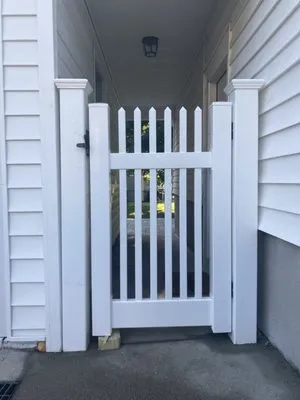
M.J. Nicholls Landscaping is a trusted local business founded in 1996 by Matthew Nicholls, a Quincy native who started with neighborhood lawn jobs. Matthew's formal education in Landscape Contracting ...
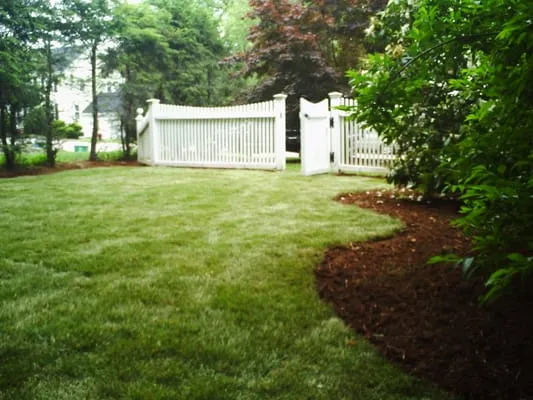
Turfman is a Quincy-based landscaping company dedicated to solving common local yard challenges. Many homes in the area struggle with landscaping issues like poor yard drainage that leads to soggy law...
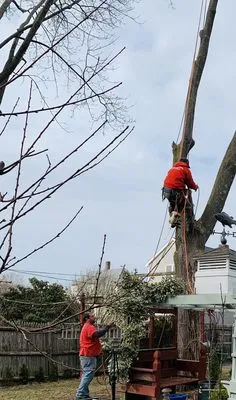
Dibona Landscaping is a trusted, locally-owned landscaping and tree service company serving homeowners throughout Quincy, MA. We understand the unique challenges of maintaining a beautiful property in...

Luongo's Landscaping is a Quincy-based, full-service landscaping company dedicated to building and maintaining beautiful, durable outdoor spaces for South Shore homes. We specialize in hardscaping sol...
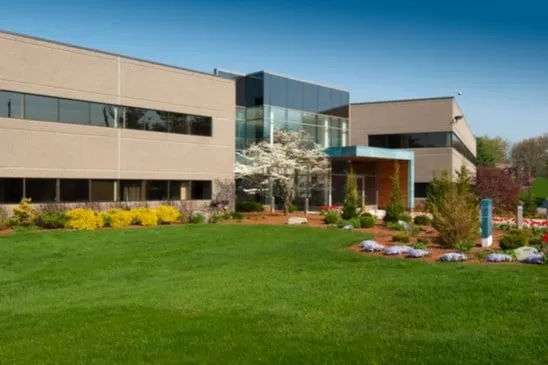
Affordable Landscapers By J & R
Affordable Landscapers By J & R is your trusted, locally-owned landscaping and property care team in Quincy, MA. We provide comprehensive services from landscape design and irrigation to shrub care, t...
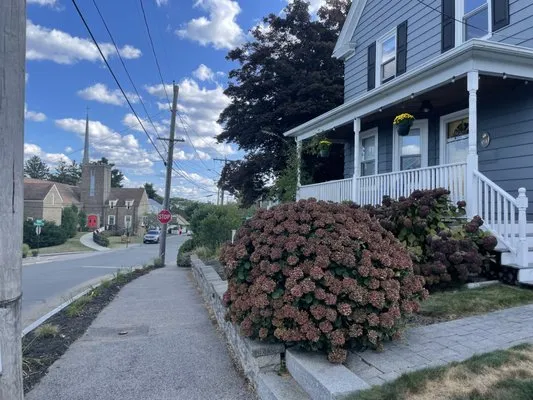
Turf Salamone is a Quincy-based landscape services company founded in 2022 by a former golf course superintendent with 15 years of experience maintaining high-end country clubs. Leveraging expertise i...
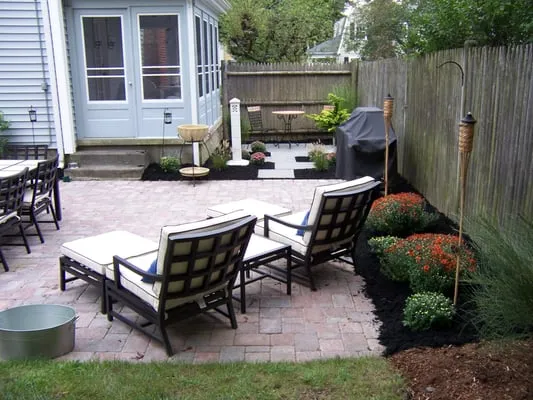
Sequoia Landscape is a Quincy-based landscaping company dedicated to enhancing the outdoor spaces of local homeowners. We offer comprehensive property care, from seasonal maintenance and snow removal ...
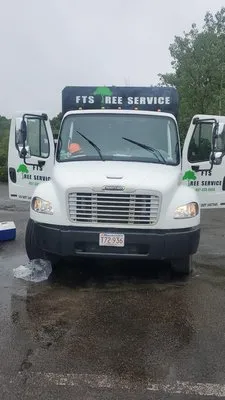
FTS Tree Service is a trusted, fully insured landscaping and tree care provider serving homeowners and businesses in Quincy, MA. Recognized for their professional and reliable approach, the team speci...
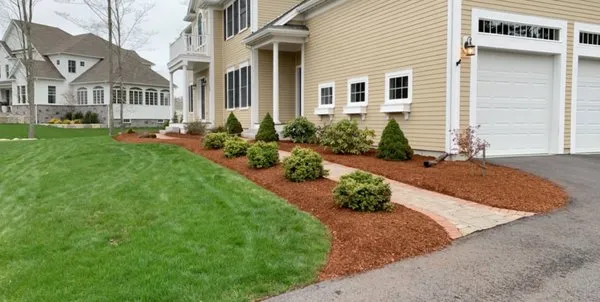
Mass Lawn Pros is a trusted, locally-owned landscaping company serving Quincy, Massachusetts and the surrounding communities. Founded on a commitment to reliable, high-quality service, we specialize i...
FAQs
Can I keep my lawn green during Quincy's voluntary water conservation stage?
Yes, using smart Wi-Fi ET-based irrigation is key. These systems adjust watering schedules in real-time based on local evapotranspiration data, applying water only when needed. For Kentucky Bluegrass and Fine Fescue, this technology prevents overwatering, aligns with Stage 1 voluntary conservation goals, and promotes deeper root growth. Properly managed, it maintains turf health while significantly reducing municipal water use.
Why does the soil in my Quincy Center yard seem so compacted and poor?
Homes built around 1959, common in this area, have soil that has matured for over 65 years without significant intervention. The underlying acidic sandy loam naturally compacts over decades of foot traffic and standard maintenance. This compaction reduces permeability and oxygen for roots. Core aeration and incorporating compost are critical to rebuild soil structure and support healthy turf or planting beds.
Is Quincy granite a better choice than wood for a new patio?
Quincy granite pavers offer superior longevity and lower lifetime maintenance compared to wood, which decays and requires sealing. Granite is non-combustible, contributing to defensible space in any setting, though Quincy's low Fire Wise rating makes this a secondary benefit here. Its permeability, when installed with proper joints, aids drainage. The material's local provenance and durability make it a structurally and environmentally sound investment.
How do I manage invasive weeds without using restricted fertilizers?
For invasive species like Japanese knotweed or bittersweet, mechanical removal and targeted organic herbicidal sprays are primary tools. The Massachusetts Plant Nutrient Management Act prohibits phosphorus fertilizer application without a soil test, but this does not apply to most weed control methods. Treatment timing is critical; apply controls in early growth stages and always follow label instructions to protect surrounding native plants and soil biology.
My yard floods after heavy rains. What's a long-term solution for this area?
Coastal Quincy's high water table and storm surge susceptibility are exacerbated by sandy loam's limited percolation when compacted. A foundational solution involves regrading to create positive drainage away from structures and installing subsurface French drains. Replacing impermeable surfaces with permeable Quincy granite pavers can also meet city runoff standards by allowing stormwater to infiltrate locally, reducing surge load on the system.
What are lower-maintenance alternatives to my high-input lawn?
Transitioning sections of turf to a layered planting of native species like Eastern Redbud, Sweet Pepperbush, New England Aster, and Switchgrass drastically reduces water, mowing, and fertilization needs. These plants are adapted to Zone 7a and acidic soils, requiring minimal care once established. This shift also reduces reliance on gas-powered equipment, aligning with evolving seasonal noise ordinances for a quieter, more resilient landscape.
How quickly can you respond for an emergency storm cleanup to meet HOA compliance?
For urgent storm response in Quincy Center, our electric fleet can typically mobilize within a 20-30 minute window during peak events. A standard dispatch route from our base near Adams National Historical Park uses I-93 for direct access. This allows for rapid debris clearing with compliant, low-noise equipment to address safety hazards and meet neighborhood covenants efficiently.
Do I need a permit or licensed professional to regrade my small yard?
Yes, significant regrading on a 0.15-acre lot often requires a permit from Quincy Planning and Community Development to ensure compliance with drainage and erosion control ordinances. For design and oversight, the Massachusetts Board of Registration of Landscape Architects licenses professionals qualified to plan such work. This ensures the grading solution is technically sound, manages stormwater effectively, and avoids creating problems for adjacent properties.
