Top Landscaping Services in Plympton, MA, 02367 | Compare & Call
There are 208 landscaping companies server in Plympton MA
Grassroots Landscaping is a Plymouth-based company dedicated to solving the common local issues of dying shrubs and dead lawn areas that frustrate South Shore homeowners. We understand the unique coas...
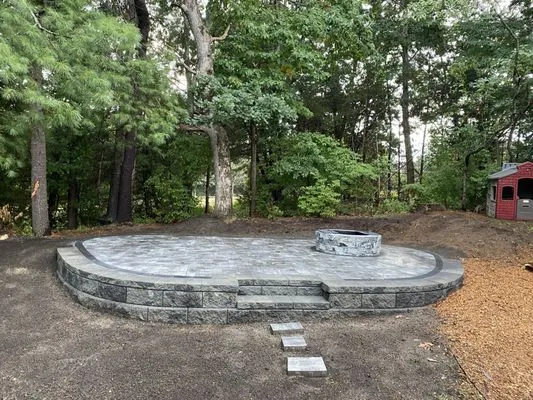
Lyons Landscaping has been a trusted name in Carver, MA, and the surrounding Southeastern Massachusetts communities for over two decades. Founded on a commitment to quality and customer satisfaction, ...
TH Clapp's Landscape & Excavating is a full-service Plymouth, MA contractor specializing in hardscaping, excavation, and landscape construction. For homeowners in Plymouth dealing with landscape edgin...
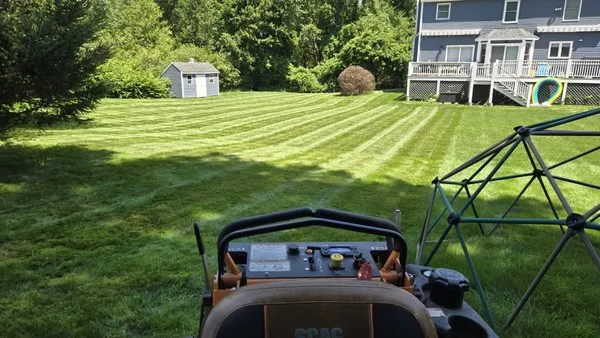
Clear Cut Landscaping is a family-owned and operated business proudly serving Hanson, MA, and the surrounding communities. Founded on the belief that quality work builds lasting relationships, we trea...
Dave's Landscaping is a trusted, locally-owned service in Plymouth, Massachusetts, dedicated to solving the common landscaping challenges homeowners face in our coastal climate. We specialize in diagn...
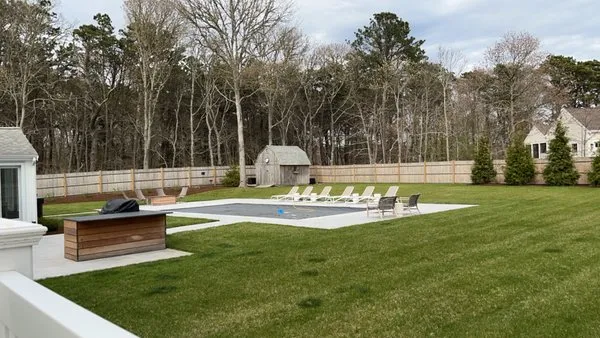
At Papa Joe's Property Maintenance, we've been helping Sandwich homeowners and businesses enhance their outdoor spaces for over a decade. Our team combines creative landscape design with practical pro...
Wacky Weeders is a locally owned and operated service in Pembroke, MA, started by a team of young entrepreneurs dedicated to helping their community. We specialize in manual weed removal, offering a h...
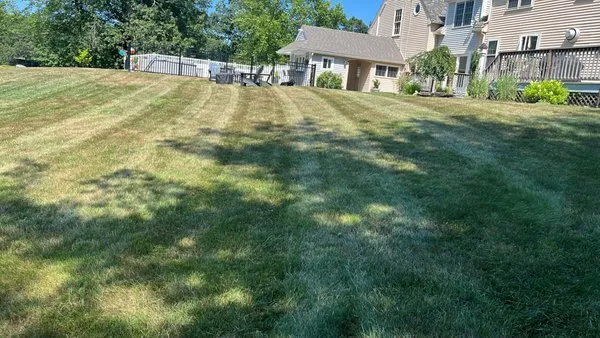
Coelho Landscaping is a family-owned business serving Marshfield, MA, with reliable landscaping, snow removal, and patio covering services. As a local, honest company, we prioritize clear communicatio...
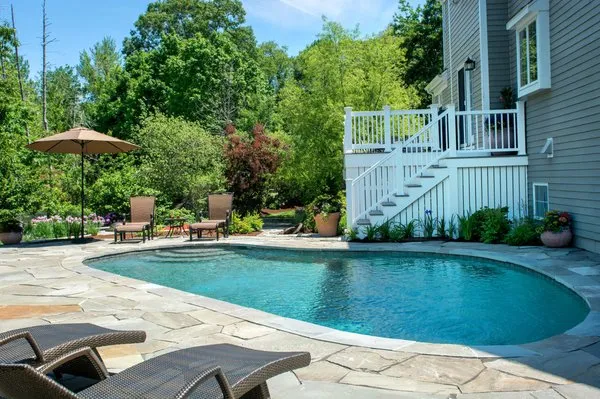
Ground Effects Landscaping
Ground Effects Landscaping, based in Carver, MA, is led by owner Sean, who brings a formal education in landscape design from the University of Rhode Island and over twenty years of hands-on experienc...
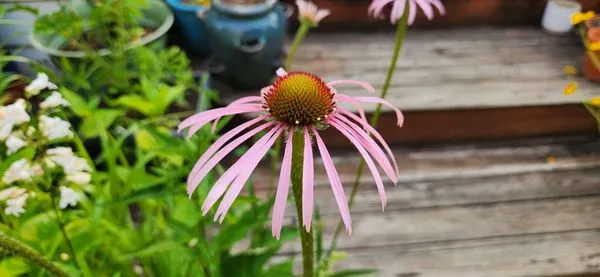
XeroScape, LLC is a Cape Cod-based landscape design company dedicated to creating resilient, eco-friendly outdoor spaces for homeowners and businesses across the region. We specialize in native plant ...
Estimated Landscaping Service Costs in Plympton, MA
Q&A
Why does my lawn have patchy areas despite regular care?
Plympton Center properties built around 1980 have acidic sandy loam soil that has matured for 46 years, developing compaction layers that restrict root growth. This soil type naturally tends to become dense and poorly aerated over decades, especially in neighborhoods with similar construction timelines. Core aeration every 2-3 years combined with organic amendments like composted leaf mold addresses soil structure issues. Improving permeability allows Kentucky Bluegrass roots to access nutrients more effectively in the pH 5.5-6.2 range.
What permits and licenses are needed for grading my property?
Grading work on 1.5-acre lots in Plympton requires both Plympton Building Department permits and Massachusetts Division of Occupational Licensure certification for contractors. The permit office reviews drainage plans to ensure compliance with local runoff regulations, particularly important given the area's seasonal saturation issues. Licensed professionals carry insurance covering potential damage to neighboring properties and municipal infrastructure. This licensing ensures proper soil management techniques that prevent erosion and protect the acidic sandy loam's long-term health.
Which patio materials last longest in our climate?
Local granite and permeable concrete pavers outperform wood by decades in Plympton's Zone 6b climate, with granite lasting 50+ years versus wood's 10-15 year lifespan. These materials maintain structural integrity through freeze-thaw cycles while providing non-combustible surfaces that support defensible space requirements in Moderate fire risk zones. Their thermal mass moderates temperature extremes, and permeability reduces runoff that could otherwise transport embers during wildfire events. Proper installation creates durable surfaces that require minimal maintenance compared to wood's regular sealing needs.
How can I maintain my lawn during Stage 1 water restrictions?
Smart Wi-Fi ET-based controllers adjust watering schedules daily based on actual evapotranspiration rates, reducing water use by 20-30% while preserving turf health. These systems monitor weather data and soil moisture to deliver precise irrigation only when needed, staying well within Plympton's voluntary conservation guidelines. For Kentucky Bluegrass and Fine Fescue blends, this technology prevents overwatering that exacerbates seasonal saturation issues common with the area's high water table. Proper programming maintains turf density without exceeding municipal water limits.
How do I handle invasive plants without chemical runoff concerns?
Japanese knotweed and garlic mustard pose significant threats in Plympton's acidic soils, requiring careful management that avoids phosphorus contamination. Manual removal during dry periods prevents soil disturbance that spreads invasive rhizomes, while targeted spot treatments use EPA-approved herbicides applied outside of blackout dates. These methods comply with Massachusetts Plant Nutrient Regulations prohibiting phosphorus fertilizers near water bodies. Proper disposal at designated facilities prevents reinfestation while protecting the local watershed from nutrient pollution.
How quickly can you respond to storm damage for HOA compliance?
Emergency cleanup crews dispatch from the Plympton Town House area via Route 44, arriving within 45-60 minutes during peak response windows. This routing accounts for typical traffic patterns while maintaining compliance with the 8:00 PM to 7:00 AM noise ordinance restrictions. Crews prioritize safety assessments before beginning debris removal, particularly important for properties in the Wildland-Urban Interface with Moderate fire risk ratings. Electric equipment fleets operate quietly within permitted hours to address immediate hazards.
What are alternatives to high-maintenance turf grass?
Transitioning to native plantings like Sweet Pepperbush, Northern Bayberry, Wild Bergamot, and Butterfly Milkweed reduces maintenance frequency ahead of evolving noise ordinances. These species require no weekly mowing, minimal watering once established, and provide superior habitat value compared to monoculture turf. Electric maintenance equipment operates quietly within restricted hours while supporting 2026 biodiversity standards. Native plant communities develop deeper root systems that stabilize sandy loam soils and require no phosphorus-containing fertilizers.
What solutions work for yards that stay wet after rains?
Seasonal saturation in Plympton's acidic sandy loam requires permeable hardscape materials that meet Plympton Building Department runoff standards. Local granite and permeable concrete pavers allow 80-95% of rainfall to infiltrate rather than creating surface runoff. These materials work with French drain systems and dry creek beds to redirect water away from structures while maintaining soil stability. Proper grading with these materials addresses the high water table conditions without requiring extensive excavation or drainage permits.
