Top Landscaping Services in Peabody, MA, 01940 | Compare & Call
There are 204 landscaping companies server in Peabody MA
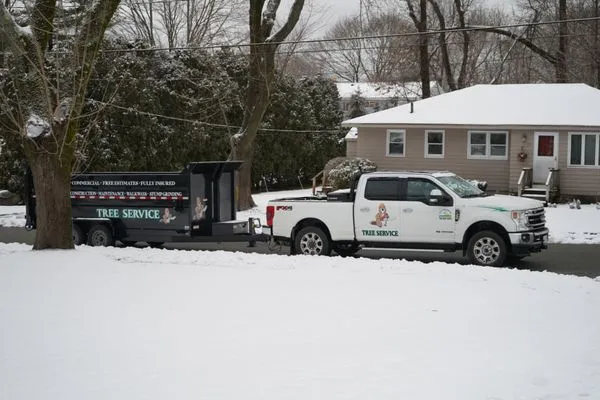
Luca Tree Service is a trusted, locally-owned tree care and landscaping company serving Peabody, MA, and the surrounding communities. With years of experience and a team of certified arborists, we spe...
Shaun's Lawns is a trusted Lynnfield landscaping company specializing in comprehensive outdoor construction and design. Serving the local community, we build durable patios, walkways, and retaining wa...
Roc Landscaping is a trusted local landscaping company serving Peabody, MA, and surrounding areas. We specialize in addressing common landscaping challenges faced by homeowners in our community, such ...
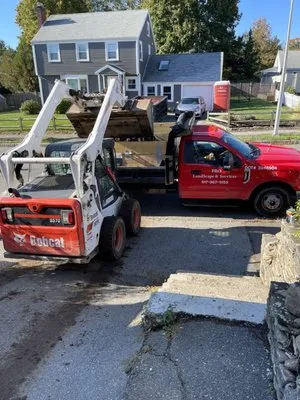
PRO Landscape & Services is a trusted Beverly-based company offering comprehensive lawn care and home cleaning solutions to enhance your property's health and beauty. Understanding common local challe...
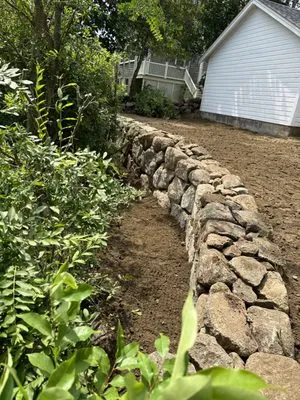
Eligio & Son Masonry & Landscaping
Eligio & Son Masonry & Landscaping is a trusted family-owned business serving Lynn, MA, and the surrounding North Shore communities. With expertise in masonry, concrete, lawn care, and tree services, ...
Ceso Landscaping & Construction
At Ceso Landscaping & Construction in Danvers, we turn outdoor visions into reality. For over 25 years, founder Celso Lopez has been dedicated to building and maintaining beautiful, functional landsca...
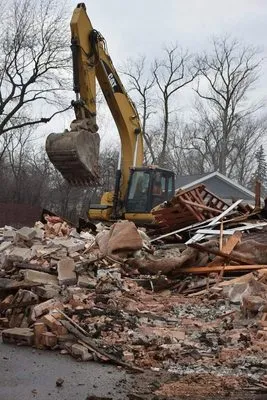
Green Care Landscaping is a full-service Peabody, MA company specializing in demolition, lawn care, and irrigation solutions. We help local homeowners and businesses tackle common area problems like d...

Founded by Gloucester native Alexander Sands IV in 2002, Annisquam Landcare brings a deep-rooted understanding of the local environment to every project. Growing up here, Alex developed a passion for ...
North Shore Enhancement
North Shore Enhancement is a family-owned and woman-operated landscaping and hardscaping company based in Peabody, MA, founded in March 2021. Owner Katrina brings over 22 years of hands-on experience ...
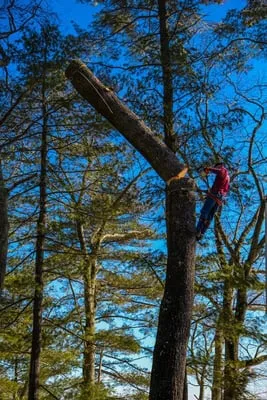
A Cut Above the Best is a family-run tree service and landscaping company serving Beverly, MA, founded on a deep-rooted passion for the work. Owner Jay grew up in a family tree business and honed his ...
Estimated Landscaping Service Costs in Peabody, MA
Q&A
What are the biggest threats to my landscape's health and how do I manage them?
Invasive species like garlic mustard and oriental bittersweet pose significant risks, outcompeting natives and degrading soil health. Manual removal is most effective for light infestations. For broader issues, targeted, phosphorus-free herbicide applications—compliant with Massachusetts state law—are used carefully outside of local fertilizer blackout dates. Always prioritize methods that preserve soil mycorrhizae and non-target plants.
Why is my soil so compacted and what can I do about it?
Properties in West Peabody, built around 1965, have soils that have matured for about 61 years. The prevalent acidic sandy loam has likely experienced significant compaction from decades of standard maintenance. This compaction reduces percolation and root penetration. Core aeration in spring or fall, followed by top-dressing with compost, is critical to rebuild soil structure and organic matter content, which naturally improves pH and water retention.
Do I need a permit to regrade my backyard, and who is qualified to do the work?
Regrading a 0.35-acre lot often requires a permit from the Peabody Community Development Department, especially if it alters water flow or involves significant cut and fill. This work must be designed or supervised by a professional licensed by the Massachusetts Board of Registration of Landscape Architects. Their oversight ensures the plan addresses drainage hazards, complies with zoning, and protects adjacent properties from erosion or runoff damage.
Is stone or wood better for a new patio that will last?
Granite pavers and fieldstone veneer offer superior longevity and permeability compared to wood, which decays and requires chemical treatments. In Peabody's Low Fire Wise Rating zone, non-combustible stone materials also contribute to defensible space principles. Stone's durability minimizes lifecycle replacement and, when installed with a permeable base, aligns with modern standards for managing water table and runoff issues.
My yard stays soggy for days. What's a lasting solution for this wet area?
Seasonal wetland saturation is common here due to a high water table interacting with sandy loam soils. A graded dry well or French drain system can redirect surface water. For hardscape areas, specifying permeable installations using granite pavers or fieldstone veneer increases ground absorption and can help meet the Peabody Community Development Department's stormwater runoff standards, effectively mitigating persistent dampness.
How can I keep my lawn healthy during Stage 1 water restrictions?
Wi-Fi ET-based weather sensing controllers are the standard for efficient irrigation in Peabody. These systems automatically adjust watering schedules based on real-time evapotranspiration data, preventing overwatering. For a Kentucky Bluegrass and Fine Fescue mix, this technology delivers precise moisture, promoting deeper root growth and drought resilience while adhering to voluntary conservation measures. Properly calibrated, it can reduce potable water use significantly.
How fast can you respond for an emergency storm cleanup to meet HOA deadlines?
For urgent compliance work, our dispatch from the Peabody Institute Library area utilizes I-95 for direct access to West Peabody. With a peak storm response window of 20-30 minutes, we coordinate crews using electric-powered equipment to comply with local noise ordinances upon arrival. This logistics plan ensures rapid debris management and site safety restoration without violating early morning or evening quiet hours.
I want a lower-maintenance, eco-friendly yard. What should I plant?
Transitioning to a landscape anchored by native plants like Common Milkweed, New England Aster, Joe-Pye Weed, and Little Bluestem dramatically reduces water, fertilizer, and maintenance needs. These species are adapted to Zone 6b and acidic soils, requiring no gas-powered blowers for cleanup. This shift supports 2026 biodiversity goals and creates a resilient habitat that stays ahead of evolving noise and emission ordinances.
