Top Landscaping Services in Orange, MA, 01364 | Compare & Call
There are 126 landscaping companies server in Orange MA
Landscape Ninjas is a trusted lawn and tree service provider serving Springfield, MA, and the surrounding areas. We specialize in comprehensive landscape solutions, including expert lawn care, profess...
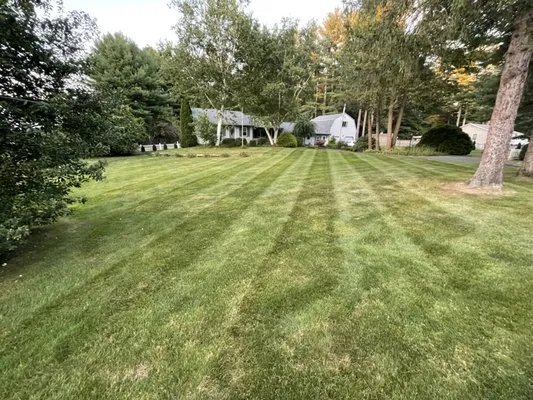
After nearly two decades of honing his craft with other landscaping companies in the area, the founder of Profile Landscaping decided to bring his dedication and expertise directly to Springfield home...
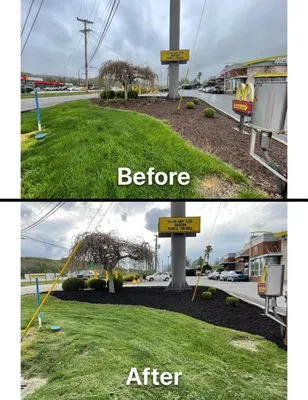
English Towers Landscaping is a trusted Chicopee-based landscaping company serving homeowners and businesses throughout the area. We specialize in comprehensive landscaping, gutter services, and snow ...
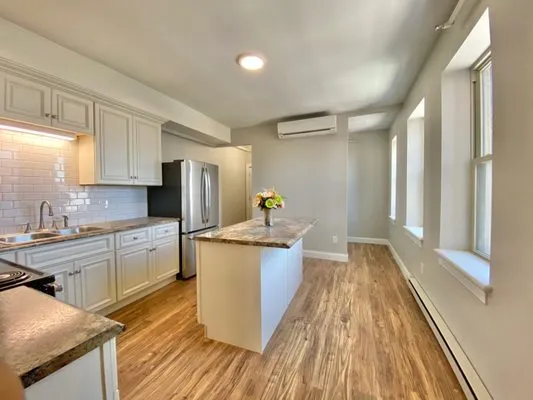
Witman Properties
Witman Properties, established in 2005 and based in Holyoke, MA, is a licensed, full-service property management company specializing in single-family, multi-family, and commercial properties across W...

Dragonfly Lawn & Landscape was founded in 2005 by master landscaper Phil Dancereau, who was later joined by partner Michael Maske. Inspired by a desire to beautify their Pioneer Valley community, they...
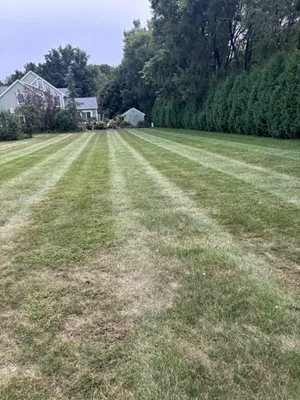
Phoenix Landscaping is a Holyoke-based landscaping company founded in August 2022 by a local entrepreneur with deep roots in the community. The owner began by helping family and neighbors with lawn ca...

Mass Appeal Property Services is a trusted, full-service property maintenance company serving homeowners in Russell, MA, and the greater Springfield area. We specialize in landscaping, painting, and h...
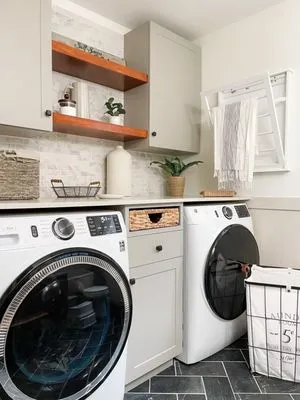
White Hollow Yard And Home is a family-owned business based in Granby, MA, established in 2020. We specialize in property maintenance, landscaping, and interior design services, offering customized so...
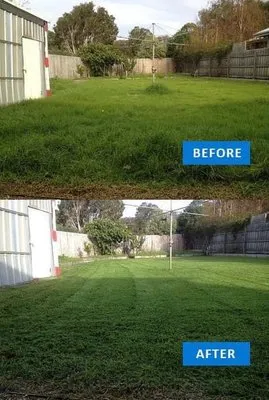
Essential Lawns is a trusted lawn and property maintenance company serving Holyoke, MA, dedicated to helping homeowners maintain beautiful, functional outdoor spaces. We specialize in gutter cleaning,...
JH True Tidy Maintenance is a locally owned and operated property care company serving Wilbraham, MA. We specialize in comprehensive outdoor maintenance, including landscape upkeep, lawn care, leaf cl...
Estimated Landscaping Service Costs in Orange, MA
Question Answers
Can I maintain a healthy Kentucky Bluegrass lawn under Orange's water conservation rules?
Yes, smart Wi-Fi soil moisture sensor controllers optimize irrigation by tracking evapotranspiration rates and soil conditions. These systems apply water only when needed, typically reducing usage by 20-30% while preserving turf health. In Stage 0 voluntary conservation, this technology prevents overwatering and aligns with municipal guidelines. Fine fescue in the mix enhances drought tolerance, further supporting sustainability without compromising aesthetics.
What should I do about invasive plants like Japanese knotweed in my Orange yard?
Manual removal or targeted herbicide applications during active growth phases avoid phosphorus fertilizer ordinance violations. Soil testing confirms deficiencies before any amendment, as phosphorus is prohibited except for new lawns or proven needs. Regular monitoring prevents re-establishment, especially near property edges. Integrating native plants afterward improves ecological resilience and reduces future invasive species pressure.
Do I need permits or licensed professionals for grading my 0.35-acre Orange property?
Yes, grading that alters drainage patterns or involves significant earthmoving requires approval from the Orange Building Department. The Massachusetts Board of Registration of Landscape Architects licenses professionals for designs impacting stormwater management or structural integrity. On 0.35-acre lots, improper grading can affect neighboring properties, making certified expertise essential. Always verify contractor credentials to ensure compliance with local and state regulations.
What solutions prevent yard flooding in Orange's high water table areas?
Permeable concrete pavers and granite cobble hardscapes allow water infiltration, reducing surface runoff that exacerbates seasonal saturation. These materials meet Orange Building Department standards for stormwater management by improving permeability in acidic sandy loam soils. Subsurface French drains or dry wells may also be necessary to address frost heave risks. Proper grading directs water away from foundations, mitigating long-term structural issues.
How quickly can you respond to an emergency tree cleanup after a storm in Orange?
Our electric maintenance fleet can dispatch from Orange Town Hall via Route 2 within 20-30 minutes during peak storm conditions. This routing avoids residential delays while complying with noise ordinances prohibiting equipment use before 7:00 AM. We prioritize safety assessments and debris removal to restore access, coordinating with local utilities when necessary. The response time accounts for typical traffic patterns and the 0.35-acre average lot size in the area.
Why does my Orange Center lawn struggle with compaction and poor drainage despite regular care?
Properties in Orange Center built around 1938 have soil that has matured for approximately 88 years. The acidic sandy loam common here tends to compact over decades, reducing permeability and exacerbating frost heave risks. Core aeration every 1-2 years with organic amendments like composted leaf mold addresses this by improving soil structure and microbial activity. This approach aligns with the pH range of 5.5-6.2, which favors acid-tolerant species but requires management to prevent waterlogging.
Are granite cobbles better than wood for durable landscaping in Orange?
Granite cobble and permeable concrete pavers offer superior longevity with minimal maintenance compared to wood, which decays in acidic soils. These materials support fire-wise defensible space requirements by reducing flammable vegetation near structures. Their permeability aids drainage in high water table conditions, while durability withstands freeze-thaw cycles. This makes them a cost-effective choice for Orange's climate and soil type.
How can I reduce lawn maintenance while supporting local ecology?
Replacing high-input turf with native plants like Eastern Redbud, Highbush Blueberry, Joe Pye Weed, and New England Aster cuts mowing frequency and supports 2026 biodiversity targets. These species require less water, no phosphorus fertilizer, and provide habitat for pollinators. Transitioning to electric equipment ahead of noise ordinance trends reduces carbon emissions. This approach also enhances fire-wise defensible space in Orange's Moderate Wildland-Urban Interface rating.
