Top Landscaping Services in Oak Bluffs, MA, 02557 | Compare & Call


Paradise Property Management & Landscape
Paradise Property Management & Landscape is a trusted local provider in Oak Bluffs, MA, specializing in comprehensive property and landscape care for Martha's Vineyard homeowners. We understand that m...

Packish Landscape is a trusted landscaping company serving the Oak Bluffs, MA community. We specialize in diagnosing and resolving common local yard problems, such as dying shrubs and persistent sprin...

CaddyShackers Turfgrass Management brings professional golf course standards to residential lawns in Oak Bluffs, MA. Founded by former golf course superintendents, every team member holds a degree in ...
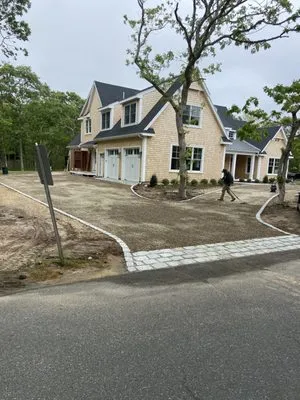
Carlos is a trusted landscaping and masonry/concrete specialist serving Oak Bluffs, MA. For local homeowners dealing with common issues like patchy lawn grass and storm debris cleanup, Carlos provides...

Shirley Lawn Care Services
Shirley Lawn Care Services is a locally owned and operated landscaping and hardscaping company serving Oak Bluffs and the surrounding Martha's Vineyard communities. With a deep understanding of the is...
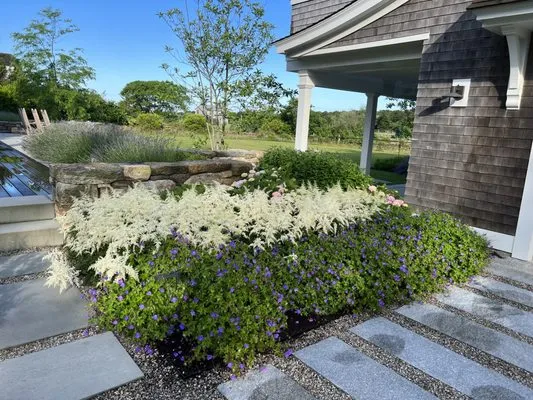
Infinity Landscaping
Infinity Landscaping Inc. brings professional landscaping to Martha's Vineyard, creating outdoor spaces that honor the island's unique character. Based in Oak Bluffs, we understand that a Vineyard pro...
Treasurescape is a dedicated landscaping company serving the Oak Bluffs community on Martha's Vineyard. We specialize in addressing the unique challenges faced by local properties, particularly invasi...
For over a decade, Derek's Landscape Hydroseed & Lawncare has been the trusted local source for healthy, resilient lawns on Martha's Vineyard. Based in Oak Bluffs, we specialize in solving the specifi...

Millers Pro Landscape has been a trusted landscaping partner in Oak Bluffs, MA since 2002, providing comprehensive outdoor solutions for residential, commercial, and industrial clients. Our team of ar...
Questions and Answers
What drainage solutions work best for coastal erosion risks on sandy loam properties?
High permeability in sandy loam can accelerate erosion during heavy rains, particularly near shorelines. Permeable hardscapes using crushed shell or native fieldstone allow water infiltration while stabilizing surfaces. These materials meet Oak Bluffs Building Department runoff standards by reducing impervious coverage and slowing water flow. For severe cases, French drains lined with geotextile fabric and native plant buffers provide additional protection by directing water away from structures while anchoring soil with deep root systems.
What permits and licenses are needed for grading work on a quarter-acre Oak Bluffs lot?
Grading on a 0.25-acre lot requires an Oak Bluffs Building Department permit for any earth movement exceeding 50 cubic yards or altering drainage patterns. The Massachusetts Board of Registration of Landscape Architects mandates licensed oversight for designs impacting stormwater management or structural stability. Coastal erosion zones often trigger additional review under Martha's Vineyard Commission regulations. Professionals must carry appropriate bonding and insurance, particularly given ferry-dependent emergency response timelines that complicate site access for inspections.
What are low-maintenance alternatives to traditional turf that reduce noise and fuel use?
Replacing high-maintenance turf with native plantings like Beach Plum, Bayberry, and Little Bluestem eliminates weekly mowing and gas-blower dependency. These species thrive in sandy loam with minimal irrigation once established, aligning with 2026 biodiversity standards. Butterfly Milkweed and Bearberry provide pollinator habitat while requiring only annual pruning. This transition reduces equipment noise ahead of tightening gas-powered ordinance restrictions and cuts maintenance time by 60-70% compared to conventional lawns.
How quickly can you respond to an emergency tree cleanup after a storm in Oak Bluffs?
Emergency dispatch from the Flying Horses Carousel area typically routes via State Road (Route 450) to reach Harbor District properties within 45-60 minutes, accounting for ferry-dependent logistics. This timeframe prioritizes safety assessments and immediate debris removal to restore access. For HOA compliance issues requiring rapid resolution, we coordinate with local authorities to ensure work aligns with gas-powered equipment hours (8:00 AM to 6:00 PM). Electric equipment fleets now enable quieter operations that can extend beyond noise ordinance windows if needed.
How do I maintain Fine Fescue or Kentucky Bluegrass turf during Oak Bluffs' voluntary water conservation periods?
Smart Wi-Fi ET-based controllers optimize irrigation by using real-time evapotranspiration data to match plant water needs precisely. These systems reduce water use by 20-30% compared to traditional timers while preserving turf health. During Level 1 voluntary conservation, programming deeper, less frequent watering encourages deeper root growth and drought tolerance. Combining this technology with soil moisture sensors ensures compliance with municipal limits while maintaining the 4-6 inch root depth ideal for these grass species in USDA Zone 7b.
Why does my Oak Bluffs Harbor District soil feel compacted and drain poorly despite being sandy loam?
Properties in the Harbor District with homes averaging 88 years of age (2026 minus 1938) have experienced decades of foot traffic and minimal soil amendment. Sandy loam naturally has good permeability, but compaction from historical use reduces pore space for water and root growth. Core aeration in early spring followed by organic compost incorporation addresses this by improving soil structure and microbial activity. This approach is particularly effective for the pH 5.5-6.5 range common here, as organic matter buffers acidity while enhancing nutrient retention.
How should I handle invasive species like Japanese knotweed without violating fertilizer regulations?
Invasive species alerts for plants like Japanese knotweed require targeted treatment during active growth phases, typically late spring to early fall. Manual removal combined with approved organic herbicides avoids phosphorus restrictions under Martha's Vineyard Commission regulations. Timing applications outside blackout dates (usually winter months) prevents nutrient runoff into coastal waters. For persistent infestations, soil solarization using clear plastic sheets leverages summer heat to kill roots without chemicals, a method compatible with sandy loam's quick warming properties.
Are crushed shell or native fieldstone patios better than wood for longevity and fire safety?
Crushed shell and native fieldstone offer superior longevity to wood, with 30+ year lifespans versus wood's 10-15 years in coastal conditions. These materials require no chemical treatments and maintain permeability for drainage. For Moderate Fire Wise Rating (WUI Zone 2) compliance, non-combustible hardscapes create defensible space by reducing flammable materials near structures. Fieldstone's thermal mass also helps moderate microclimate temperatures, while crushed shell's light color reflects heat—both advantages over wood's combustible nature in high-risk zones.
