Top Landscaping Services in North Pembroke, MA, 02358 | Compare & Call
There are 204 landscaping companies server in North Pembroke MA
D Copeland Landscaping is a family-owned and operated business that has been a trusted part of the Marshfield community since 2005. For nearly two decades, they have built a reputation on clear commun...
Ground Effects Landscape Design & Construction is a Marshfield-based landscaping and construction firm founded in the mid-1990s. We are a full-service team led by a Massachusetts Certified Landscape P...
Yardscapes By Renee & Sons is a family-owned and operated landscape masonry business serving Marshfield and the surrounding South Shore communities. Founded on a blend of hands-on construction experti...
Eco Star Cleaning is a Duxbury-based lawn care and snow removal service dedicated to maintaining the beauty and health of local properties year-round. We specialize in addressing common South Shore la...
Coelho Landscaping is a trusted, local family-owned business serving Marshfield and the South Shore. We specialize in comprehensive property care, from meticulous landscape maintenance and professiona...
Beds of Glory Landscaping is a trusted local landscaping company serving Hanson, MA, and surrounding areas. We specialize in diagnosing and treating common lawn problems that plague many Hanson homes,...

PRO Landscaping is a trusted local landscaping company serving Hanover, MA, and the surrounding South Shore communities. We specialize in comprehensive landscaping solutions tailored to the unique nee...
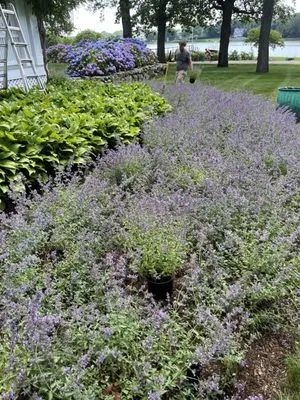
M&K Contracting is a Kingston-based lawn and tree service provider founded in 2020 by a 2002 Silver Lake Votech graduate in Conservation/Horticulture. With deep roots in the community and a lifelong p...
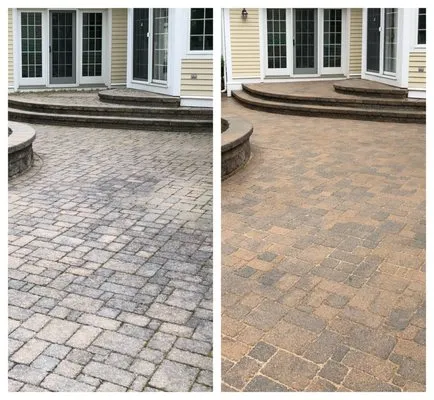
Hardscape Rehab is a dedicated hardscape restoration company serving Norwell, MA, and the Greater Boston area. We specialize in cleaning, sealing, repairing, and restoring outdoor surfaces like patios...
CJN Landscaping is a trusted local landscaping provider serving Marshfield, MA, and the surrounding South Shore communities. We understand the specific challenges homeowners face in our coastal climat...
Estimated Landscaping Service Costs in North Pembroke, MA
Common Questions
Our North Pembroke yard seems compacted and drains poorly - is this typical for Pembroke Center properties built around 1985?
Properties in Pembroke Center constructed during the 1980s development period now exhibit 41-year soil maturity, which often reveals compaction issues in the region's acidic sandy loam. This soil type naturally tends to compact over decades, reducing permeability and creating drainage challenges. Core aeration with organic amendments like composted leaf mold addresses both pH balance and soil structure. Regular soil testing every 2-3 years monitors pH levels between 5.5-6.2 to maintain optimal nutrient availability.
How should we manage invasive species without violating phosphorus fertilizer restrictions?
Early identification and mechanical removal prove most effective for common invasives like Japanese knotweed or garlic mustard in North Pembroke. Spot treatments using glyphosate alternatives during dry periods minimize environmental impact while complying with Massachusetts Department of Agricultural Resources guidelines. Organic amendments like mycorrhizae inoculants strengthen native plant competitiveness against invaders. Timing interventions outside blackout dates ensures regulatory compliance while maximizing treatment effectiveness.
What solutions address seasonal water table issues and poor infiltration in our sandy loam soil?
High water tables in North Pembroke's acidic sandy loam require French drains or dry wells to intercept subsurface flow before it surfaces. Permeable pavers using crushed bluestone bases increase infiltration rates by 50-70% compared to solid surfaces. The Pembroke Planning Board typically approves these systems as they reduce stormwater runoff volumes. Grading adjustments that create subtle swales direct water away from foundations while maintaining natural topography.
How quickly can emergency storm cleanup reach our Pembroke Center property after major wind damage?
Emergency response teams typically dispatch from the Pembroke Town Green area, accessing Route 3 for efficient transit to Pembroke Center neighborhoods. During peak conditions, arrival occurs within 25-35 minutes, accounting for debris clearance and traffic variables. Crews prioritize safety assessments before initiating cleanup operations, particularly for compromised trees near structures. This response window meets most HOA compliance deadlines for post-storm property restoration.
Are granite pavers and crushed bluestone suitable for fire-wise landscaping in our moderate-risk area?
Granite pavers and crushed bluestone provide excellent non-combustible materials for creating the required 5-foot defensible perimeter around structures. These materials withstand freeze-thaw cycles better than wood alternatives, with 40+ year lifespans in Zone 6b conditions. Their thermal mass helps moderate microclimate temperatures while providing stable walking surfaces. Proper installation with adequate base preparation prevents shifting and maintains fire-wise integrity through seasonal changes.
What permits and professional requirements apply to regrading our 0.75-acre Pembroke Center property?
The Pembroke Planning Board requires grading permits for any earth movement exceeding 50 cubic yards on 0.75-acre lots, with particular attention to drainage patterns and tree preservation. Massachusetts Board of Registration of Landscape Architects licensing becomes mandatory when grading integrates with comprehensive landscape designs involving retaining walls over 4 feet. Certified professionals must oversee soil compaction testing and erosion control measures, especially given the property's proximity to seasonal water tables. These requirements ensure compliance with state environmental regulations and neighborhood watershed protections.
Can we maintain healthy turf while respecting North Pembroke's Stage 1 water conservation guidelines?
Smart Wi-Fi ET-based irrigation systems precisely match watering to actual evapotranspiration rates, reducing consumption by 20-40% compared to traditional schedules. These systems automatically adjust for rainfall and humidity, preserving Kentucky Bluegrass and Fine Fescue blends within municipal limits. Programming deep, infrequent watering cycles encourages deeper root growth and drought resilience. Regular system audits ensure uniform distribution and prevent runoff, essential for sandy loam's rapid drainage characteristics.
What low-maintenance alternatives exist for reducing weekly mowing and gas equipment use?
Transitioning turf areas to native plantings like Clethra alnifolia, Echinacea purpurea, Asclepias tuberosa, and Panicum virgatum reduces mowing requirements by 80-90%. These species thrive in Zone 6b conditions with minimal irrigation once established, aligning with noise ordinance transitions to electric equipment. Native plant communities support local pollinators while requiring only annual maintenance rather than weekly care. This approach future-proofs landscapes against increasingly restrictive gas-powered equipment regulations.
