Top Landscaping Services in Newton, MA, 02456 | Compare & Call

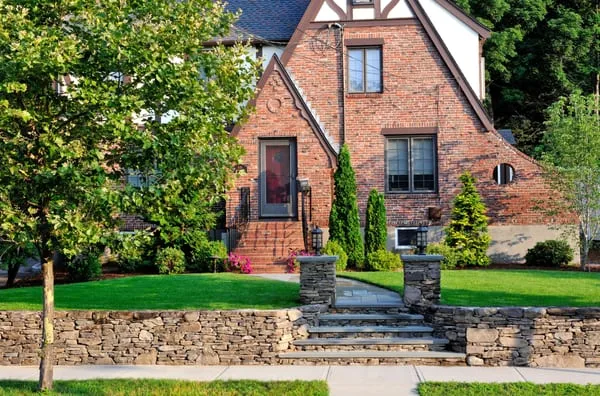
The Narrow Lane is a Newton-based landscaping company specializing in comprehensive outdoor solutions for the Greater Boston area. We focus on transforming residential properties into personalized, fu...
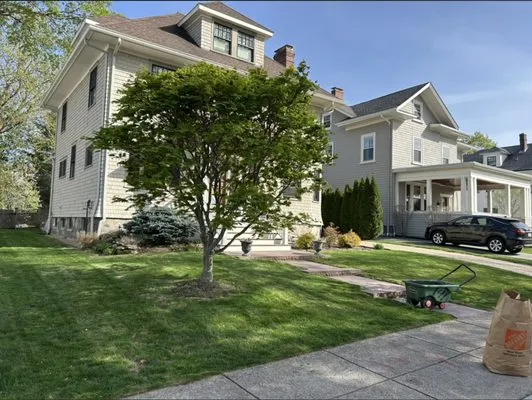
Stars and Stripes Lawncare is your trusted local provider for reliable and precise lawn and garden care in Newton, MA. We focus on the fundamentals that keep your yard looking its best, from consisten...
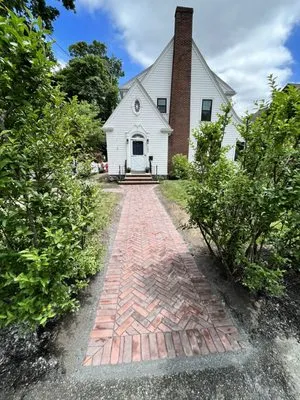
Lamacchia Landscape Construction
Since 1980, Lamacchia Landscape Construction has been a cornerstone of the Newton community, founded by Joe with a commitment to lasting quality and local craftsmanship. Starting as a trusted source f...
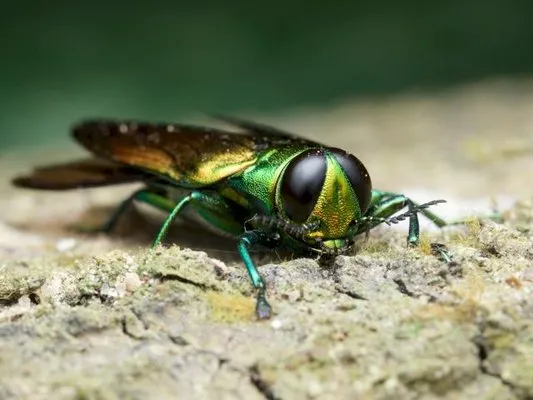
Lupien Tree & Landscape is a family-owned Newton business with over 95 years of experience in tree care and landscaping. Founded by Waldo E. Lupien, the company employs Massachusetts Licensed Pesticid...
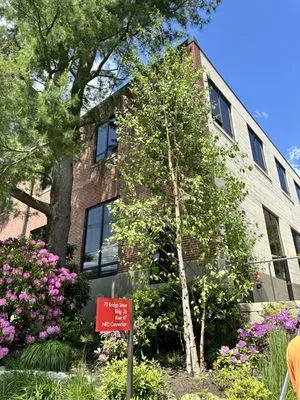
Hart Landscaping is a family-owned landscaping company proudly serving Newton and the greater Metro Boston area. We believe every homeowner deserves professional, high-quality landscaping that enhance...

Jason Albano Lawn Care is a Newton-based landscaping business with deep roots in the community. As a third-generation landscaper, Jason Albano started his company in 2007 after growing up immersed in ...
Done Right Landscape is a Newton-based landscaping company dedicated to enhancing and maintaining outdoor spaces throughout Greater Boston. We specialize in comprehensive solutions from hardscaping—in...
Rahall's Landscaping is a trusted, full-service landscaping company serving Newton, MA. We understand the specific needs of local properties, including common issues like overgrown shrubs blocking wal...

Greenspan Landscaping serves Newton, MA, and the surrounding communities with a comprehensive approach to outdoor living. We specialize in creating and maintaining landscapes that are both beautiful a...

Above & Beyond Tree Care is your local, hands-on arborist and landscaper in Newton. For over two decades, owner has specialized in the skilled art of climbing, allowing him to access and care for tree...
Question Answers
How quickly can you respond to emergency storm damage for HOA compliance?
Emergency cleanup crews dispatch from Newton City Hall via I-90 (Mass Pike) with 25-40 minute peak response times. We prioritize routes avoiding Newton Centre congestion zones while maintaining electric equipment fleets for noise-sensitive areas. This ensures compliance with seasonal gas-powered equipment restrictions while meeting urgent landscape restoration needs following severe weather events.
Are granite and permeable pavers better than wood for Newton hardscaping projects?
Granite cobblestone and permeable concrete pavers offer 50+ year lifespans versus wood's 15-25 year maximum in Newton's freeze-thaw cycles. These materials maintain structural integrity during frost heave events while creating defensible space appropriate for low fire-wise rated urban-suburban interfaces. Their non-combustible nature and drainage capabilities outperform wood alternatives that require chemical treatments and regular replacement in this climate zone.
How can I reduce maintenance while preparing for stricter noise ordinances?
Transitioning high-maintenance turf to native plantings like Eastern Redbud, Sweet Pepperbush, Purple Coneflower and Switchgrass reduces mowing frequency and eliminates gas-powered leaf blower dependency. These species thrive in Newton's Zone 6b climate with minimal irrigation once established, creating layered habitats that support 2026 biodiversity standards. This approach future-proofs landscapes against anticipated seasonal restrictions on combustion engine equipment use.
Why does my Newton Centre lawn struggle with compaction despite regular care?
Newton Centre properties average 88 years of soil development since 1938 construction, creating mature acidic sandy loam with pH 5.5-6.5. Decades of foot traffic and maintenance equipment have reduced soil permeability below optimal levels. Core aeration every 2-3 years introduces oxygen channels while incorporating composted organic matter improves water retention. This addresses the historical compaction pattern common in established neighborhoods with similar soil profiles.
What invasive species threaten Newton landscapes and how should they be treated?
Japanese knotweed and garlic mustard present significant invasive risks in Newton's acidic soils, outcompeting native vegetation. Manual removal during early growth stages followed by phosphorus-free fertilizer applications supports soil recovery without violating Massachusetts Plant Nutrient Regulations. Treatment timing avoids blackout periods while using targeted organic herbicides that preserve mycorrhizae networks essential for long-term soil health in established landscapes.
What permits and licensing are required for grading my 0.22 acre Newton property?
Grading projects exceeding 100 cubic yards of earth movement require Newton Inspectional Services Department permits with engineered drainage plans. Massachusetts Board of Registration of Landscape Architects licensing ensures professionals understand soil stability calculations and runoff management for 0.22 acre lots. Unlicensed grading risks improper slope creation that exacerbates existing drainage hazards while potentially violating municipal erosion control ordinances specific to Newton's soil conditions.
What solutions prevent frost heave and seasonal water table issues in Newton yards?
Acidic sandy loam soils in Newton experience reduced permeability during freeze-thaw cycles, exacerbating frost heave risks. Installing permeable concrete pavers with 6-8 inch gravel bases creates subsurface drainage channels that redirect water away from foundations. Granite cobblestone edges with French drain systems meet Newton Inspectional Services Department runoff standards while addressing the high seasonal water table characteristic of this soil type.
Can I maintain healthy turf while following Newton's water conservation guidelines?
Wi-Fi ET-based weather sensing irrigation systems adjust watering schedules using real-time evapotranspiration data, reducing consumption 20-30% while preserving Kentucky Bluegrass and Fine Fescue mixes. These EPA WaterSense certified systems automatically comply with Stage 1 voluntary conservation measures by eliminating overwatering during rainfall events. Properly calibrated systems deliver 1-1.5 inches weekly during peak growing seasons without exceeding municipal water limits.
