Top Landscaping Services in Nantucket, MA, 02554 | Compare & Call

Deborah L. Wilson Garden Services
Deborah L. Wilson Garden Services provides a complete approach to landscape and garden care in Nantucket. We offer professional design, expert installation, and consistent maintenance to create and su...
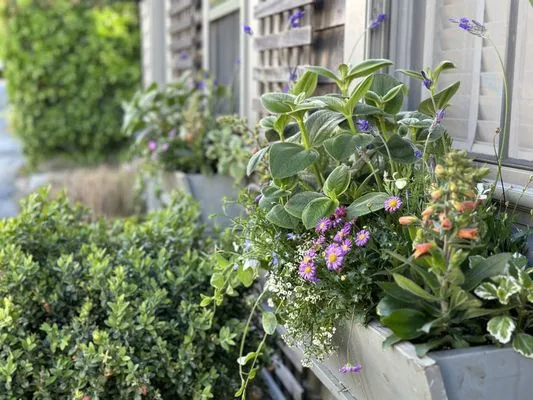
The Garden Group is a Nantucket-based landscaping company founded in 2012, bringing over 30 years of combined expertise to the island. Specializing in landscape design, construction, and maintenance, ...
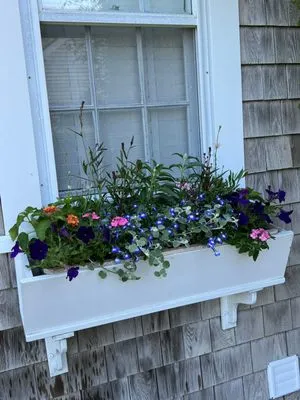
Serenity Designs Nantucket Landscaping is a dedicated local contractor providing comprehensive outdoor solutions for homes across the island. We specialize in transforming properties through expert la...

Atlantic Landscaping is a Nantucket-based company dedicated to preserving and enhancing the island's unique coastal landscapes. We understand the specific challenges local property owners face, such a...

Edward Coffin Landscaping is a Nantucket-based business founded in 2012 by Edward Coffin, a Nantucket native with deep roots in the community. Edward holds an Associate of Science in Turfgrass Managem...
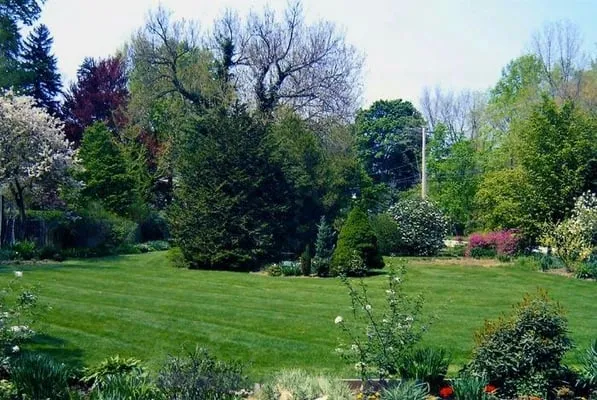
Flintstones Landscaping has been serving Nantucket homeowners for years, building a reputation for reliable, quality work. We understand the unique challenges of island living, from managing tree root...
Earth Works Landscape Company is a trusted, locally-owned landscaping service serving Nantucket, MA. We specialize in addressing the island's unique environmental challenges, particularly persistent w...
Tom Hanlon Landscaping
Tom Hanlon Landscaping has been Nantucket Island's trusted garden and landscape specialist since 1996. With over 20 years of experience, we provide comprehensive services for both residential and comm...
Ferrantella Nicholas Landscaping is a trusted local landscaping company serving Nantucket, MA, dedicated to maintaining and enhancing the island's beautiful outdoor spaces. We specialize in addressing...
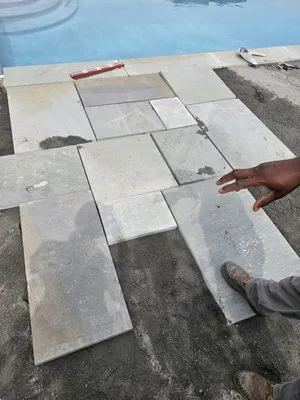
G and G Landscaping is a family-owned business dedicated to transforming the outdoor spaces of Nantucket. We specialize in custom design, lawn maintenance, hardscaping, and seasonal cleanups, bringing...
Common Questions
We're considering patio materials. How does local fieldstone compare to wood for durability and fire safety?
Local fieldstone and shell aggregate hardscapes offer superior longevity to wood in Nantucket's coastal environment, resisting salt corrosion and moisture damage. These materials maintain structural integrity for decades with minimal maintenance. For properties in Moderate Firewise USA zones, fieldstone creates defensible space by reducing flammable materials near structures. The non-combustible nature of stone hardscapes meets NFPA recommendations while providing stable surfaces that don't require chemical treatments.
We want to regrade our 0.25-acre lot. What permits and professional requirements should we consider?
Grading work on Nantucket requires approval from the Nantucket Planning Board, particularly in the Historic District where elevation changes affect drainage patterns. The Massachusetts Division of Occupational Licensure mandates specific licensing for landscape contractors performing earthwork exceeding certain volumes. For 0.25-acre properties, certified professionals must document soil erosion controls and stormwater management plans. Unlicensed grading can result in fines and mandatory restoration at the property owner's expense.
We want to reduce maintenance while preparing for stricter noise ordinances. What native plants require less care than traditional turf?
Replacing high-maintenance turf with native species like Bayberry, Beach Plum, and Little Bluestem creates resilient landscapes that thrive in Zone 7b conditions. These plants have deep root systems that stabilize sandy soils and require minimal irrigation once established. Transitioning to electric maintenance equipment ahead of gas-powered restrictions reduces noise pollution while supporting biodiversity. Native plantings also provide habitat for pollinators and require no chemical fertilizers under local regulations.
We need emergency storm cleanup to meet HOA compliance deadlines. How quickly can a crew reach our Historic District property?
Emergency response crews dispatch from central Nantucket, typically routing from the Nantucket Atheneum via State Route 82 (Polpis Road) to Historic District properties. During peak conditions, travel time ranges 45-60 minutes depending on traffic and weather. Crews prioritize safety while meeting municipal cleanup deadlines, with electric equipment available for noise-restricted hours. Advance scheduling during storm warnings reduces response time.
Water pools briefly then disappears quickly on our property. What drainage solutions work with Nantucket's sandy soil?
Nantucket's acidic sandy loam has high permeability, causing rapid leaching that can wash away nutrients before plants absorb them. French drains with local fieldstone aggregate create stable infiltration channels while preventing soil collapse. Dry wells lined with shell aggregate provide additional storage capacity during heavy rains. The Nantucket Planning Board requires permeable hardscapes that manage runoff within property boundaries, preventing erosion in coastal zones.
We've spotted invasive Japanese knotweed spreading. How can we treat it without violating fertilizer blackout dates?
Japanese knotweed and other invasives like Oriental bittersweet threaten Nantucket's native ecosystems. Mechanical removal during early growth stages, followed by targeted glyphosate applications in fall, proves most effective. These treatments avoid the Town of Nantucket Fertilizer Regulations' blackout dates (typically April-October for nitrogen applications). Always coordinate with licensed professionals who understand local ordinances and can implement integrated pest management strategies that protect surrounding native vegetation.
Our Historic District property has struggled with poor soil quality for years. What's the underlying issue with Nantucket's soil, and how can we improve it?
Nantucket's acidic sandy loam soil (pH 5.5-6.2) naturally lacks organic matter and has low nutrient retention. With properties averaging 42 years since construction (2026 minus 1984), soil compaction has reduced permeability and microbial activity. Historic District lots typically require core aeration every 2-3 years and organic amendments like composted leaf mold to increase water retention. Soil testing every 3 years helps monitor pH adjustments for optimal plant health.
With Stage 1 water restrictions in effect, how can we maintain our Fine Fescue Blend turf without exceeding municipal limits?
Smart Bluetooth-enabled drip irrigation systems optimize water use by delivering moisture directly to root zones, reducing evaporation loss by 30-40% compared to traditional sprinklers. These systems integrate evapotranspiration (ET) data and soil moisture sensors to adjust schedules automatically. For Fine Fescue in Zone 7b, deep watering every 7-10 days during early morning hours maintains turf health while complying with conservation mandates. Regular system audits prevent leaks in Nantucket's permeable soils.
