Top Landscaping Services in Milton, MA, 02126 | Compare & Call
There are 186 landscaping companies server in Milton MA
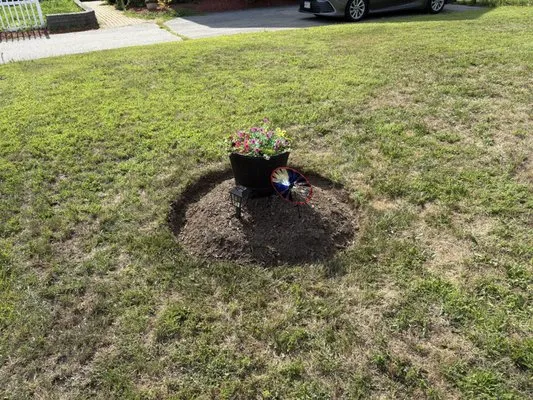
Great Heights Landscaping
Great Heights Landscaping is a full-service landscaping company dedicated to Sudbury, MA, and the surrounding communities. We partner with both residential and commercial clients to create and maintai...
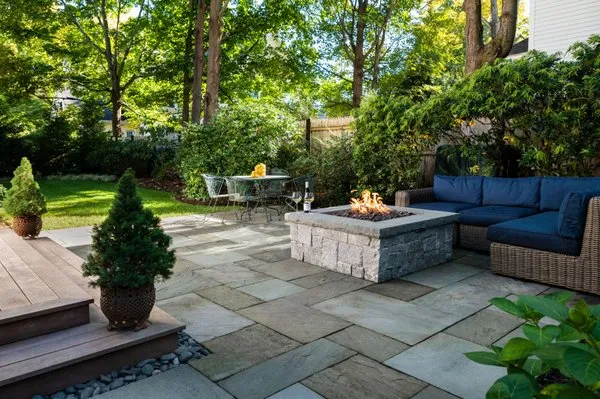
Curbs Studio
Curbs Studio is a Wellesley-based landscape design-build firm dedicated to transforming outdoor spaces with precision and care. Established in 2020, we bring over two decades of combined experience to...
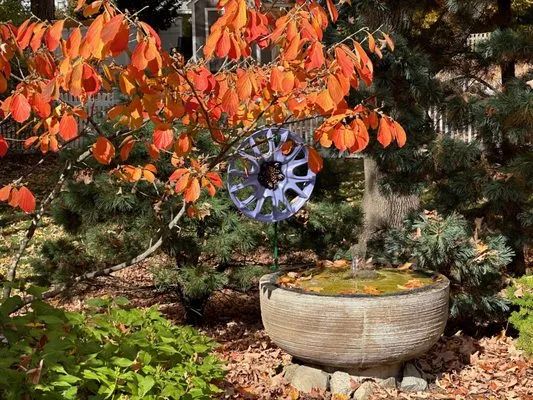
Christie Dustman & Company
Christie Dustman & Company is a licensed landscape design and maintenance firm in Hyde Park, MA, specializing in creating four-season outdoor environments. With certifications including Massachusetts ...

Complete Property Care is a Brookline-based handyman, landscaping, and home cleaning service dedicated to maintaining and enhancing local properties. We focus on practical solutions for common neighbo...
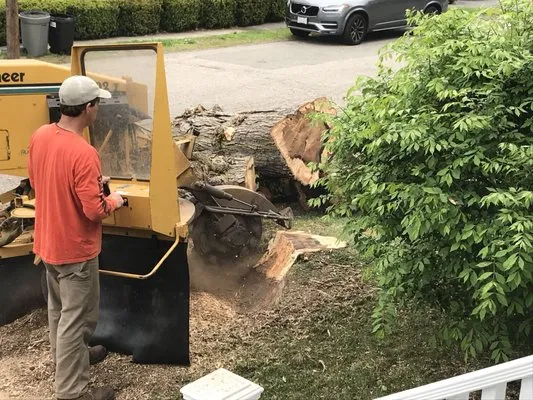
Richard Hunt Landscaping is a trusted Milton, MA-based company specializing in comprehensive landscaping and tree services for local homeowners. We understand that many Milton residences face common l...
Valentini Landscaping is a trusted Boston-based landscaping company dedicated to solving common local yard challenges. Many Boston-area homes face issues like poor yard drainage that leads to water po...

My name is George, and I've been providing reliable landscaping services to my neighbors since 2004. As someone who grew up on Jamaica Street and now lives in Roslindale, this community is my home. I ...
Founded in 1990 by Hector, Reliable Janitorial Services is a locally-owned and minority-operated business serving Boston and New England. Hector's background in the restaurant industry instilled a dee...

Gold Landscaping Service
Gold Landscaping Service in Needham, MA, is a full-service landscaping company with deep local roots, established in 1978 and serving the Greater Boston area for over 30 years. Led by Steve Gold, a Ma...
Blackstone Urban Landscapes
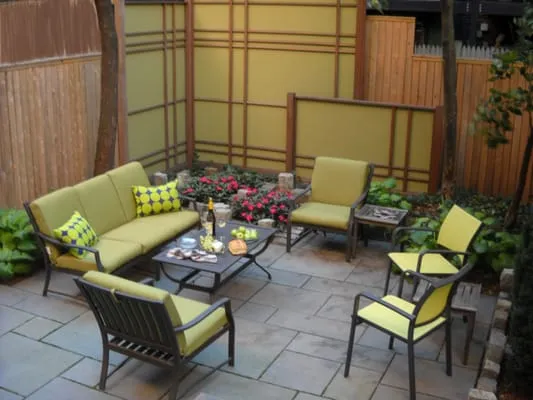
Blackstone Urban Landscapes specializes in designing and installing outdoor spaces for the smaller urban properties found throughout downtown Boston and its surrounding neighborhoods. We focus on maxi...
Estimated Landscaping Service Costs in Milton, MA
Common Questions
How can I reduce maintenance while preparing for stricter noise ordinances?
Transitioning 30-50% of turf to native plantings like Eastern Redbud and Switchgrass cuts mowing frequency by half. These species require no gas-powered equipment beyond initial establishment, aligning with anticipated electric-only maintenance mandates. Purple Coneflower and New England Aster provide continuous bloom from June to October with 75% less water than traditional ornamentals.
How quickly can you respond to emergency storm damage for HOA compliance in Milton?
Our electric fleet dispatches from Blue Hills Reservation via I-93 within 20-30 minutes during peak conditions. This routing avoids residential congestion while complying with Milton's 7 AM-7 PM weekday noise ordinance for equipment operation. We prioritize safety assessments and debris removal to meet most HOA 72-hour cleanup requirements without gas-powered blower violations.
What permits and licenses are required for grading my 0.35-acre Milton property?
Milton Planning & Community Development requires erosion control permits for any grading exceeding 100 cubic yards of soil movement. The Massachusetts Division of Professional Licensure mandates a Construction Supervisor License for projects affecting drainage patterns or adding impervious surfaces. On 0.35-acre lots, even minor regrading often triggers review due to proximity to Blue Hills Reservation watershed protections.
Why choose fieldstone over wood for Milton patios given fire safety concerns?
New England fieldstone provides 50+ year durability versus wood's 15-year lifespan in Zone 6b freeze-thaw cycles. Its non-combustible nature supports Milton's Moderate Fire Wise rating by creating defensible space without flammable materials. Properly installed with polymeric sand joints, fieldstone maintains permeability for stormwater management while resisting frost damage better than concrete alternatives.
What solutions prevent frost heave and seasonal water table issues in Milton's sandy loam?
French drains with clean stone aggregate and geotextile fabric manage high water tables by redirecting subsurface flow. Permeable New England fieldstone installations achieve 40% void space, exceeding Milton Planning & Community Development's 30% minimum for runoff reduction. These systems prevent frost heave by maintaining consistent soil moisture levels below the freeze line at 42 inches depth.
What invasive species threaten Milton gardens and how do we treat them responsibly?
Japanese knotweed and garlic mustard present primary risks in Milton's acidic soils. Manual removal during early growth phases avoids phosphorus fertilizer applications prohibited under Massachusetts law. For established infestations, targeted glyphosate applications in late fall minimize drift while respecting the statewide turf fertilizer ban. Always coordinate treatments outside local blackout periods for chemical applications.
Why does my Milton Centre lawn struggle with compaction and poor drainage despite regular care?
Milton Centre properties average 81 years of soil development since 1945 construction, leading to mature acidic sandy loam with pH 5.5-6.5. Decades of foot traffic and equipment weight have reduced permeability to 0.5 inches per hour in many lots. Core aeration every 2-3 years with compost amendments addresses this by increasing organic matter to 5% and improving water infiltration while maintaining soil structure.
Can smart irrigation maintain Kentucky Bluegrass during Milton's Stage 1 water restrictions?
Wi-Fi ET-based weather sensing irrigation calculates daily evapotranspiration rates specific to Milton's USDA Zone 6b. The system automatically adjusts runtime to deliver 1-1.5 inches weekly, preserving turf health while reducing consumption 30-40% below conventional schedules. This meets voluntary conservation targets by synchronizing watering with actual weather patterns rather than fixed timers.
