Top Landscaping Services in Medway, MA, 02053 | Compare & Call

Perennial Connection
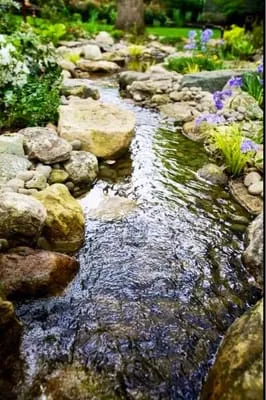
Perennial Connection is a family-owned landscape design and installation company that has been serving Medway, MA, since 1994. Founded by the owner's father and merged in 2001, the business brings ove...
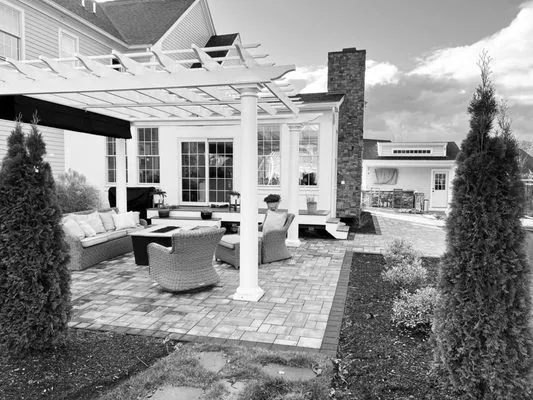
D4 Landscaping is a family-owned and operated business founded by brothers Jay and Jack Tavares, who built on the trusted legacy of Dufour Landscaping in 2012. Rooted in Medway, MA, their shared value...

Creonte Lawn And Landscape is a locally owned and operated landscaping company dedicated to serving Medway, Millis, and Franklin, MA. We focus on providing reliable, year-round care to enhance and pro...
W. Podzka Landscape is a trusted, family-owned landscaping company serving Medway, MA, and the surrounding area. We specialize in solving the common local problems of standing water and damaged landsc...
Robinson Landscaping
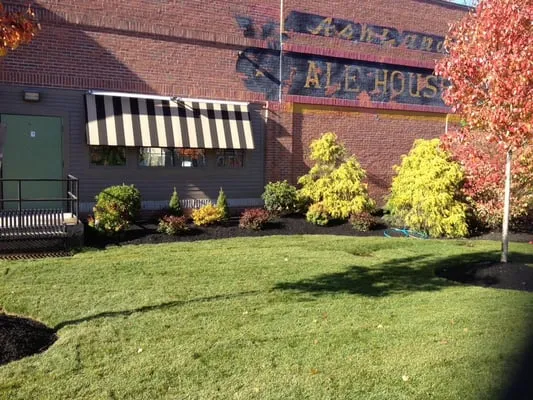
Robinson Landscaping has been a trusted, locally-owned fixture in the MetroWest area since 2004. For over 12 years, we've built our reputation on delivering quality workmanship and ensuring customer s...
Tucker Landscaping is a trusted, full-service landscaping company serving Medway, MA, and the surrounding areas. We specialize in snow removal, landscaping, and masonry/concrete services to keep your ...
Mr Natural Lawncare is a dedicated lawn service provider serving Medway, MA, and the surrounding areas. We understand the unique landscaping challenges local homeowners face, such as patchy grass from...
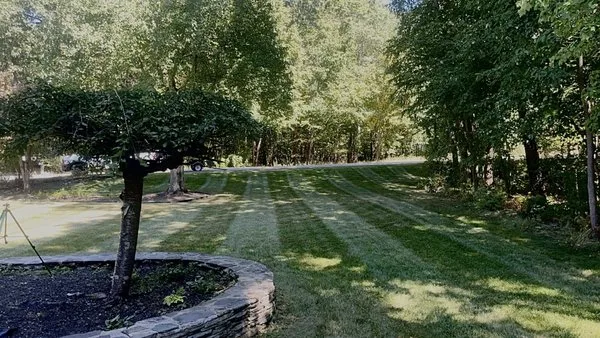
Greenline Turf is a Medway-based lawn care business founded by a local veteran who brings military discipline and lifelong landscaping experience to every job. We focus on reliable, high-quality lawn ...

Burke Bros Property Services
Burke Bros Property Services is a locally owned family business in Medway, MA, with over a decade of experience in construction and property management. Founded by Dave and Dylan, the company operates...
Dufour Landscaping is a trusted, locally-owned landscaping company serving Medway, Massachusetts, and the surrounding area. We specialize in providing reliable, expert solutions for common local prope...
Frequently Asked Questions
Can I maintain healthy turf during Medway's Stage 1 water restrictions?
Smart Wi-Fi ET-based weather-sensing controllers optimize irrigation by calculating actual evapotranspiration rates. These systems adjust watering schedules daily based on temperature, humidity, wind, and solar radiation data. For Kentucky Bluegrass and Fine Fescue blends, this technology reduces water use 20-40% while maintaining turf health. Programming deep, infrequent watering cycles encourages deeper root growth and drought tolerance within municipal conservation guidelines.
How quickly can you respond to emergency storm damage for HOA compliance?
Emergency cleanup crews dispatch from Choate Park via I-495, reaching most Medway Village locations within 30-45 minutes during peak conditions. This response window accounts for debris clearance from public rights-of-way before accessing private property. Crews prioritize safety assessments and temporary stabilization measures to meet municipal and HOA requirements for hazard mitigation following severe weather events.
How can I reduce maintenance while supporting local ecology?
Replacing high-maintenance turf areas with native plantings like Eastern Redbud, Highbush Blueberry, Switchgrass, Purple Coneflower, and Wild Bergamot creates resilient landscapes. These species require minimal watering once established and provide habitat for pollinators. Transitioning to electric maintenance equipment aligns with Medway's noise ordinance restrictions on gas-powered equipment (8:00 PM to 7:00 AM) while reducing carbon emissions and operational noise during permitted hours.
Why does my Medway Village lawn struggle despite regular care?
Medway Village properties built around 1983 have 43-year-old soil profiles. Acidic sandy loam (pH 5.5-6.5) common in this neighborhood develops compaction layers from decades of foot traffic and equipment use. This reduces soil percolation and oxygen availability to grass roots. Core aeration with organic compost amendments improves soil structure and microbial activity, addressing the glacial till drainage limitations inherent to these lots.
What invasive species should Medway homeowners monitor for?
Japanese knotweed, garlic mustard, and oriental bittersweet pose significant threats in USDA Zone 6b. These invasives outcompete native vegetation and alter soil chemistry. Manual removal before seed set combined with targeted spot treatments using phosphorus-free herbicides complies with Massachusetts 330 CMR 31.00 regulations. Avoid applications during blackout dates (typically early spring through fall) when pollinators are active and soil conditions favor chemical runoff.
Are permeable pavers better than wood for Medway patios?
Granite cobblestone and permeable concrete pavers offer superior longevity to wood in Medway's climate, with 30+ year lifespans versus wood's 10-15 years with maintenance. These materials withstand freeze-thaw cycles without warping or rotting. For properties in Low Fire Wise Rating zones, non-combustible hardscapes create defensible space by eliminating flammable materials near structures. Permeable systems also manage stormwater more effectively than impervious wood surfaces.
What solutions address seasonal water table issues in my yard?
Seasonal high water tables in Medway's glacial till soils require integrated drainage approaches. French drains with clean stone aggregate intercept subsurface flow, while permeable concrete pavers or granite cobblestone hardscapes increase surface infiltration. These systems must achieve specific permeability rates to meet Medway Planning and Economic Development Department runoff standards. Proper grading with 2% minimum slope directs water away from foundations while recharging groundwater.
What permits and licenses are needed for landscape grading work?
Grading projects on 0.45-acre lots in Medway require permits from the Medway Planning and Economic Development Department when altering more than 100 square feet or changing drainage patterns. Massachusetts Board of Registration of Landscape Architects licensing is mandatory for designs involving retaining walls over 4 feet, significant grade changes, or engineered drainage systems. Unlicensed grading can violate state regulations and void property insurance for drainage-related damage.
