Top Landscaping Services in Mattapoisett, MA, 02739 | Compare & Call
There are 99 landscaping companies server in Mattapoisett MA
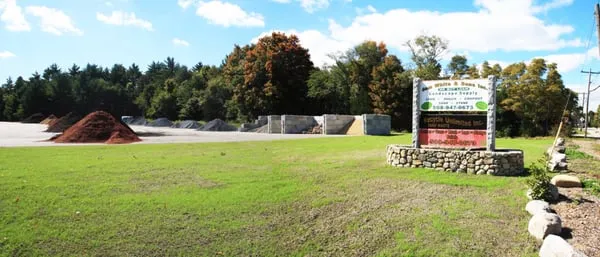
Sam White & Sons Inc is a family-owned landscape supply company serving Middleboro, MA, and surrounding communities since 1954. Founded by Sam White and his wife Agnes, who initially operated from the...
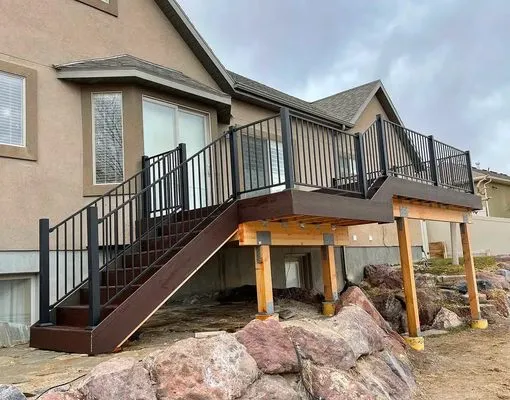
Acadia Outdoors is a Wrentham-based contractor dedicated to creating exceptional outdoor living spaces for homeowners in Southeastern Massachusetts and Northern Rhode Island. We specialize in custom d...

Your Way Lawn Care and Home Maintenance is a trusted, locally-operated service in Rochester, MA, dedicated to solving the specific lawn and landscaping challenges faced by homeowners in the area. We u...
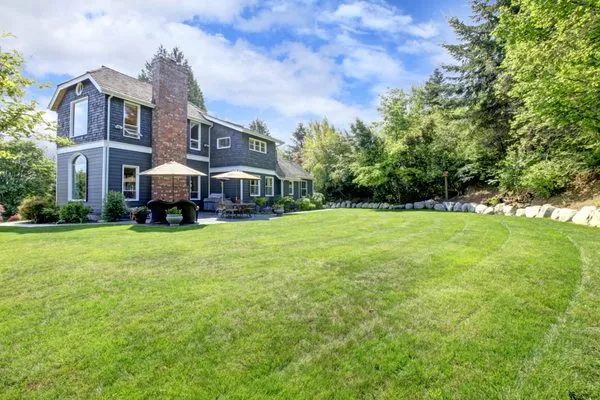
Great Lawns Plus is a locally owned and operated lawn care and pest control service based in Southborough, MA. As a licensed and trained service provider through the Massachusetts Department of Agricu...
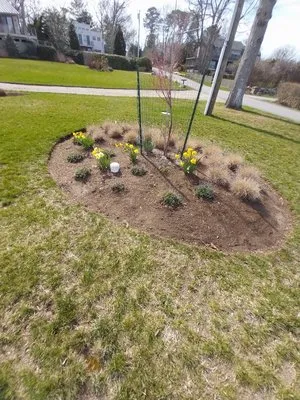
New Cuts Landscaping brings over 15 years of dedicated experience to homes across Westport, MA, and the surrounding South Coast communities. We're a team of hard-working individuals who find genuine s...
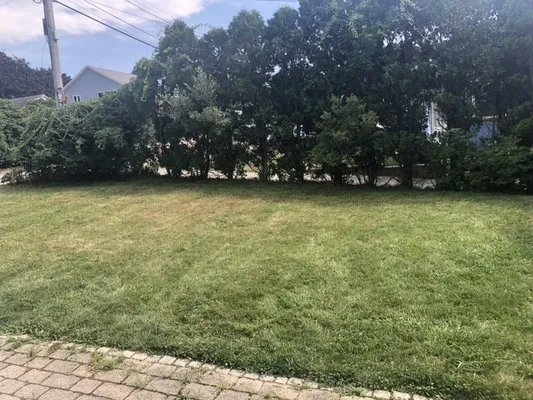
Cutting up Landscaping is a dedicated Kingston-based landscaping company focused on the specific challenges of local properties. We understand that dead lawn areas and damage from tree roots are commo...
John's Lawns is a trusted, locally-owned lawn care service in Mattapoisett, MA, dedicated to keeping your yard healthy and beautiful. We understand that Mattapoisett homeowners often face common lands...
Property One Landscaping is a dedicated, local landscaping company serving the Marion, MA community. We specialize in addressing the common local challenges homeowners face, particularly persistent we...

Clean & Green Property Management
Founded by a Cape Cod native who has been working in property services since his teenage years, Clean & Green Property Management brings over three decades of local expertise to West Dennis. After att...
Estimated Landscaping Service Costs in Mattapoisett, MA
FAQs
We want to regrade part of our 0.45-acre lot. What permits and contractor credentials are required?
Regrading that alters drainage patterns or involves significant earth movement requires a permit from the Mattapoisett Building Department. For a lot of this size, the work must be performed by a contractor licensed by the Massachusetts Office of Consumer Affairs and Business Regulation, specifically in landscaping or construction. This ensures they are bonded, insured, and knowledgeable about state sediment control and phosphorus management laws, protecting you from liability and substandard work.
Our yard has persistent soggy areas, especially in spring. Is this related to Mattapoisett's high water table, and what's the fix?
Yes, seasonal saturation is a direct result of the high coastal water table interacting with dense, acidic sandy loam, which has slow permeability. Installing subsurface French drains tied to a dry well is the primary corrective measure. Complementing this with permeable pavers for patios or walkways reduces surface runoff. This integrated approach manages stormwater on-site and often helps meet the Mattapoisett Building Department's requirements for managing runoff from improved surfaces.
A storm damaged trees on our property and we need an emergency cleanup to meet neighborhood standards. How quickly can a crew arrive?
For an emergency HOA compliance or safety cleanup, our dispatch from the Town Wharf area allows for a 20–30 minute peak response time. Crews take I-195 to access Mattapoisett Village efficiently, ensuring equipment is on-site within the quoted window. This rapid deployment is critical for mitigating hazards and restoring property safety before further damage occurs from hanging limbs or debris.
With Stage 1 water conservation in effect, how can we keep our Kentucky Bluegrass lawn healthy without wasting water?
Smart Wi-Fi ET-based controllers are the precise solution for Mattapoisett's voluntary conservation stage. These systems adjust irrigation schedules daily based on local evapotranspiration data, applying water only when the lawn needs it. This technology can reduce water use by 20–30% while maintaining the Fine Fescue blend. It ensures compliance with municipal guidelines by preventing runoff and aligning irrigation with actual climatic demand, not a fixed timer.
We want to reduce mowing, gas usage, and noise. What are the best low-input plants for our property?
Transitioning to a landscape anchored by coastal natives like Bayberry, Beach Plum, and Little Bluestem drastically reduces maintenance inputs. These plants are adapted to the local pH, require no supplemental fertilizer, and are deeply drought-tolerant. This xeriscape approach minimizes or eliminates the need for weekly mowing and the associated noise from gas blowers, aligning with tightening local ordinances. These plants are adapted to the acidic sandy loam, require minimal irrigation once established, and provide superior habitat value, supporting local biodiversity far better than a monoculture turf lawn.
We're replacing a wooden deck. Are granite cobblestones a good choice for durability and safety in our area?
Granite cobblestones and permeable pavers offer superior longevity and fire resistance compared to wood, a critical consideration in Mattapoisett's Moderate Coastal WUI (Wildland-Urban Interface) rating. They provide permanent, non-combustible defensible space. Their permeability also addresses drainage concerns. While the initial cost is higher, their lifespan measured in decades versus years for wood, and minimal maintenance requirement, make them a sound investment for coastal New England properties.
Our yard seems to struggle no matter what we plant. Could the soil history of our Mattapoisett Village home be a factor?
Homes built in the 1959 average era often sit on construction-grade fill, compacted over decades. In Mattapoisett, this fill typically rests on native acidic sandy loam. After 67 years, the soil profile likely has a mature but dense structure with low organic matter. This history explains poor root development and water percolation. Core aeration and incorporating composted leaf mold are essential to rebuild soil biology and correct the inherent acidity for healthier plant growth.
We've spotted invasive Japanese Knotweed. How do we treat it without harming the environment or breaking local rules?
Japanese Knotweed requires a targeted, multi-year management plan. Given the statewide Phosphorus Ban, any herbicide application must be precisely timed and systemic, applied only to the foliage in late summer to early fall. Manual cutting and smothering are ineffective alone. A licensed professional can execute this plan safely, ensuring no off-target damage to nearby natives and compliance with all fertilizer and pesticide application blackout dates in Massachusetts.
