Top Landscaping Services in Lincoln, MA, 01730 | Compare & Call
There are 193 landscaping companies server in Lincoln MA
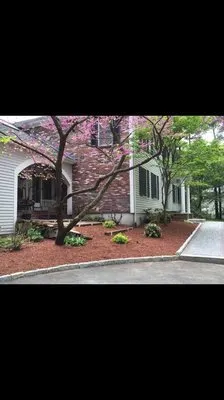
MPM Landscape is a trusted, full-service landscaping company serving Hudson, MA, and the surrounding areas. We specialize in landscaping, snow removal, and masonry/concrete services to keep your prope...
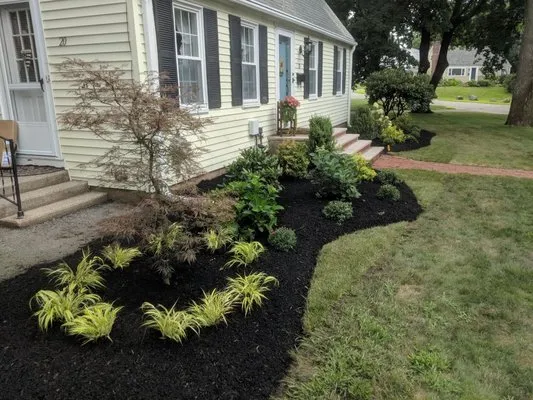
Post RD Landscape is a trusted local landscaping company serving Wayland, MA, and the surrounding areas. We specialize in addressing common local landscaping challenges, such as dying shrubs and persi...
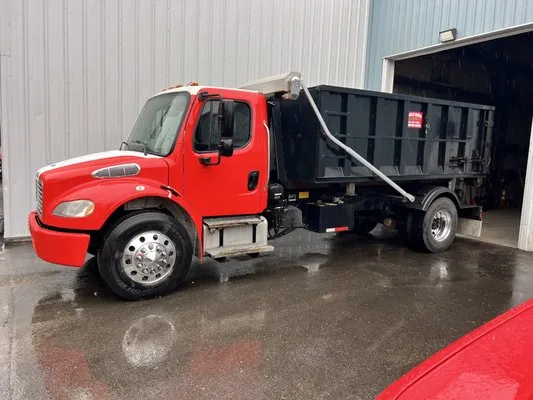
Angelo Caruso Landscape
Angelo Caruso Landscape has been serving the Maynard community for over 30 years, providing reliable property maintenance and waste management solutions. We specialize in comprehensive landscaping ser...
Sudbury Lawn & Landscape Design
Sudbury Lawn & Landscape Design is your local expert for comprehensive landscaping, tree care, and irrigation solutions in Sudbury, MA. We understand the common challenges Sudbury homeowners face, suc...
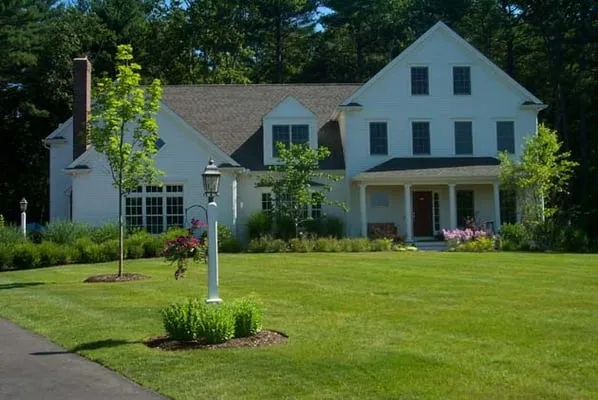
Henley's Landscaping & Masonry is a trusted, locally-owned contractor serving Wayland, Weston, Sudbury, and surrounding communities. Founded on a commitment to craftsmanship and reliability, we specia...
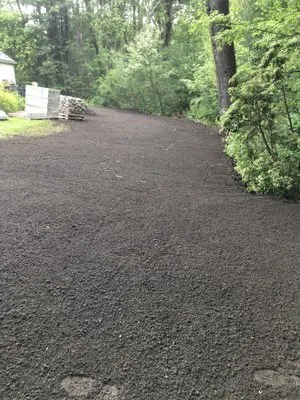
C&N General Services in Hudson, MA, is a locally owned and operated lawn and tree care company serving the community since 2005. Founded by someone who genuinely enjoys working in nature, the business...
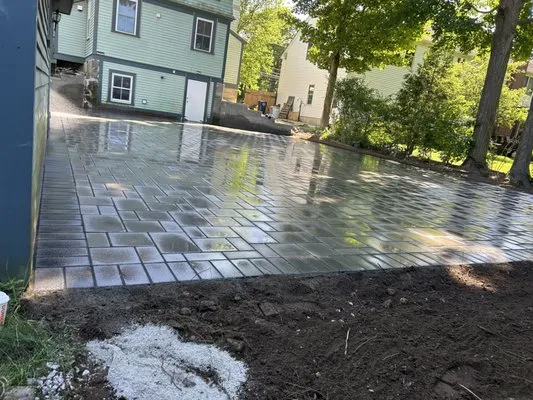
B&F Construction and Landscaping is a full-service Waltham company dedicated to enhancing and protecting local properties. We understand the common issues homeowners face, such as standing water that ...
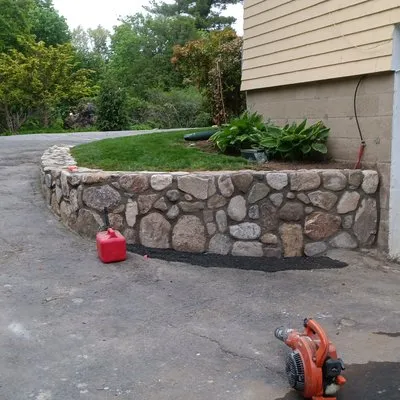
Miranda Landscaping Maintenance is a trusted, full-service landscaping company serving Waltham, MA, and the surrounding communities. We specialize in both the design and construction of beautiful, fun...
Pintabone Landscaping provides expert lawn and property care services to the Waltham, MA community. We understand the local challenges homeowners face, from persistent weed invasions to inefficient sp...
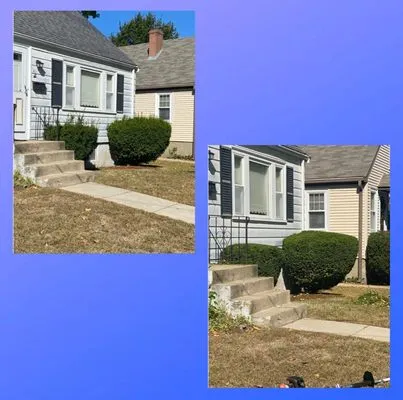
Smart in Waltham, MA is a family-owned business specializing in landscaping, snow removal, and masonry/concrete services. With a genuine passion for working with the earth, they combine hard work and ...
Estimated Landscaping Service Costs in Lincoln, MA
Questions and Answers
What invasive species threaten Lincoln lawns, and how are they treated?
Japanese knotweed and garlic mustard pose significant risks in Lincoln's acidic soils, outcompeting natives and degrading soil health. Manual removal before seed set, combined with targeted organic herbicides, manages infestations without violating Massachusetts' phosphorus ban. Treatment timing avoids blackout dates for fertilizer applications, using soil testing to guide micronutrient amendments that restore ecological balance.
Why does my Lincoln Center lawn struggle despite regular care?
Lincoln's 1965-era homes sit on 61-year-old soil profiles of acidic glacial till with pH 5.5-6.5. Over decades, compaction from foot traffic and equipment has reduced permeability, limiting root access to nutrients. Core aeration with organic compost amendments improves soil structure and microbial activity. This addresses the natural acidity while enhancing water infiltration for healthier turf establishment.
Why choose reclaimed granite over wood for patios in fire-prone areas?
Reclaimed granite cobblestone provides non-combustible surfacing with 100+ year longevity, unlike wood's 15-25 year lifespan requiring chemical treatments. This material supports Moderate Fire Wise ratings by creating defensible space without flammable organic matter. Granite's thermal mass moderates temperature extremes while its permeability reduces runoff, meeting wildland-urban interface protocols for Lincoln's transitional zones.
What permits and licenses are needed for grading my 1.5-acre property?
The Lincoln Planning Department requires erosion control permits for any grading exceeding 100 cubic yards of soil movement. On 1.5-acre lots, this typically necessitates a licensed landscape architect registered with the Massachusetts Board of Registration of Landscape Architects. Professional oversight ensures proper drainage calculations, protects neighboring properties from runoff issues, and complies with statewide sediment control regulations for projects affecting natural hydrology.
How quickly can you respond to storm damage for HOA compliance?
Emergency cleanup crews dispatch from the DeCordova Sculpture Park area via Route 2, reaching Lincoln Center properties within 20-30 minutes during peak conditions. We prioritize electric equipment to comply with 8am-6pm weekday noise restrictions on gas-powered tools. This allows immediate debris removal while meeting neighborhood aesthetic standards and safety protocols.
Can I maintain Kentucky Bluegrass during Stage 1 water restrictions?
Smart Wi-Fi ET-based weather sensing irrigation adjusts runtime based on real-time evapotranspiration data. This system reduces water use by 30-50% compared to traditional schedules while preserving turf health. Programming aligns with municipal voluntary conservation guidelines, preventing overwatering during high saturation periods. Deep, infrequent watering encourages deeper root growth for drought resilience.
What solves persistent wet spots in my clay soil areas?
High seasonal saturation in Lincoln's glacial till requires French drains or dry wells to redirect water from low-lying clay pockets. Permeable reclaimed granite cobblestone installations meet Lincoln Planning Department runoff standards by allowing 80-90% infiltration. These systems prevent surface pooling while maintaining structural integrity, with percolation rates exceeding 10 inches per hour in properly prepared subgrades.
How can I reduce mowing and gas equipment noise?
Replacing high-maintenance turf with native plantings like Eastern Red Columbine, Butterfly Milkweed, and Little Bluestem creates low-input landscapes. These species require minimal watering and no weekly mowing, aligning with evolving noise ordinances restricting gas-powered equipment. Establishing biodiverse zones supports pollinator habitats while reducing carbon emissions from maintenance fleets transitioning to electric alternatives.
