Top Landscaping Services in Lexington, MA, 02420 | Compare & Call
There are 194 landscaping companies server in Lexington MA
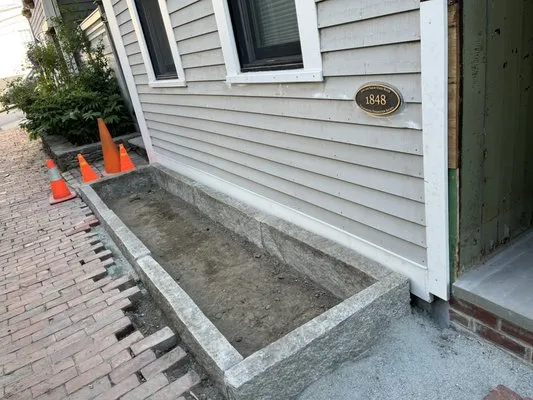
S&M Landscaping & Construction is a trusted Waltham, MA, contractor specializing in stonemasonry, landscaping, and masonry/concrete work. We help local homeowners address common yard drainage problems...
Yeff Lanscaping and Maintenance
Yeff Landscaping and Maintenance is a licensed, insured landscaping and construction company serving Waltham, MA, with over 20 years of experience in Massachusetts. We specialize in comprehensive land...
Good Greens Landscaping is a family-owned and operated business serving Framingham and the greater New England area for over 22 years. Founded by owner Marcio Lima, who moved to the US from São Paulo,...
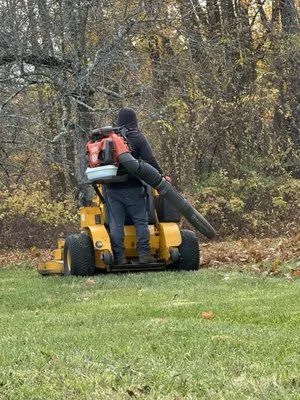
Diaz Landscaping and Lawn Mowing
Diaz Landscaping and Lawn Mowing, part of Diaz Mendez Landscape CORP, brings reliable and professional lawn care to homes and businesses within a 30-minute radius of Acton, MA. We take pride in buildi...
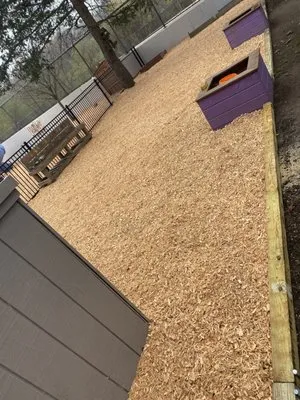
Jimenez Landscaping is a Sudbury-based landscaping and tree service company dedicated to transforming outdoor spaces with expertise and care. With many years of experience serving the local community,...
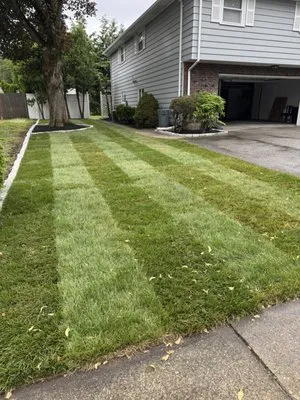
Dave’s Landscaping & Masonry is a Lynn-based company founded on a passion for turning outdoor dreams into reality. With over a decade of hands-on experience in the field and five years operating as ou...
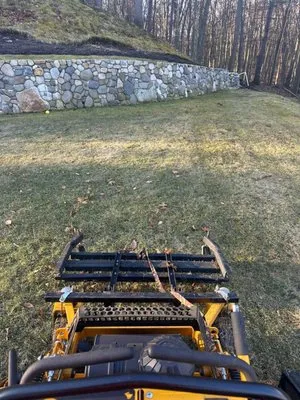
Erick Landscaping is a licensed Waltham-based company founded by Erick, who brings 18 years of professional landscaping experience to every project. After working for another company for nearly two de...
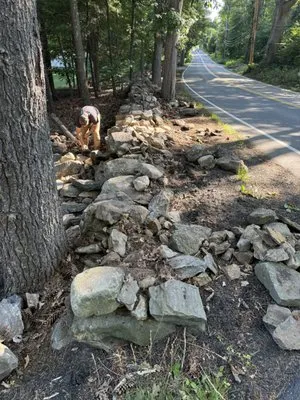
Wright Landscapes is a full-service landscaping company serving Stow, MA, and surrounding towns with over two decades of combined experience. As the new owner of a well-established local business, we ...
Boston Bark Mulch is a family-owned and operated business in Waltham, MA, dedicated to providing quality landscape materials and reliable service to the local community. Founded on principles of fairn...
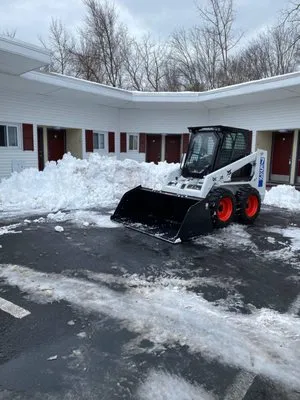
William's Landscaping has been serving Waltham and the greater New England area for over a decade, building a reputation for reliable, comprehensive outdoor solutions. We specialize in transforming re...
Estimated Landscaping Service Costs in Lexington, MA
Q&A
What do I need to know about permits and contractor licensing for a landscaping project?
Any significant grading, drainage, or structural work on a 0.45-acre lot typically requires a permit from the Lexington Planning Department. It is legally imperative to hire a contractor licensed by the Massachusetts Division of Occupational Licensure. This licensing ensures they carry required insurance, understand state building codes, and are accountable for work that alters water flow or property elevation, protecting your investment.
Is it possible to have a healthy lawn while following Lexington's water conservation rules?
Absolutely. Under Stage 1 voluntary conservation, the key is precision. Wi-Fi ET-based weather sensing controllers adjust irrigation in real-time based on local evapotranspiration data, applying water only when needed. This technology, combined with proper mowing height for your Kentucky Bluegrass and Fine Fescue blend, maintains turf health while significantly reducing water use, keeping you well within municipal guidelines.
Are permeable pavers a better long-term choice than wood for a new patio?
For longevity and low maintenance in Lexington, permeable granite pavers are superior to wood. They do not rot, warp, or require chemical treatments, offering a century-plus lifespan. Their permeability manages runoff effectively. While wood is combustible, pavers provide a non-flammable defensible space material, a consideration even in our Low Fire Wise rating zone for ember protection.
How fast can you respond for an emergency cleanup to meet an HOA compliance deadline?
For urgent HOA or storm-related compliance, our electric fleet dispatches from near the Lexington Battle Green. Using I-95 (Route 128), we can typically reach Lexington Center properties within the 20-30 minute window for peak storm response. This efficient routing allows for immediate deployment of quiet, compliant equipment to address fallen limbs or debris without violating local noise ordinances.
What invasive species should I watch for, and how do I deal with them safely?
Vigilance is required for invasives like Oriental Bittersweet and Garlic Mustard. Manual removal is often most effective. For persistent issues, targeted herbicide application by a licensed professional is timed for plant susceptibility and must adhere to Lexington's fertilizer ordinance, which prohibits phosphorus except for proven deficiencies. This ensures treatment efficacy while protecting local waterways from nutrient pollution.
I want to reduce mowing and noisy gas blower use. What are my options?
Transitioning high-maintenance turf areas to a layered planting of Lexington natives like Eastern Redbud, Highbush Blueberry, and Little Bluestem grass is a strategic move. This xeriscape approach drastically reduces mowing, watering, and the need for leaf blowing, aligning with evolving noise ordinances. It also builds biodiversity and creates a resilient, self-sustaining landscape that thrives in our 6b zone.
My yard stays soggy and I'm worried about frost heave damaging my walkways. What's the solution?
A high seasonal water table in Lexington's acidic fine sandy loam creates persistent drainage issues and frost heave risk. The solution integrates subsurface drainage like French drains with surface strategies. Installing permeable granite pavers for patios or walkways allows stormwater to infiltrate locally, reducing runoff and meeting Lexington Planning Department standards for permeability, while providing a stable, heave-resistant surface.
Why does my soil seem so compacted and acidic compared to other towns?
Lexington's residential soils, particularly in neighborhoods like Lexington Center developed around 1963, have matured for over 60 years. This acidic fine sandy loam naturally compacts over decades of standard maintenance, limiting root penetration and water percolation. Core aeration and incorporating composted organic matter are critical to remediate compaction and gently buffer the pH toward a more neutral range for optimal turf and plant health.
