Top Landscaping Services in Leominster, MA, 01420 | Compare & Call
There are 195 landscaping companies server in Leominster MA
Droz Irrigation is a Leominster-based irrigation and landscaping company dedicated to keeping local properties healthy and beautiful. We understand the common local challenges homeowners face, such as...

Einstein's is a trusted landscaping and snow management provider based in Fitchburg, Massachusetts, with deep roots in serving the community. We specialize in large-scale commercial and industrial pro...
N.E. Acreage Group
N.E. Acreage Group is your trusted, local partner for comprehensive property care in Leominster, MA. We specialize in a full suite of services designed to keep your property clean, safe, and well-main...
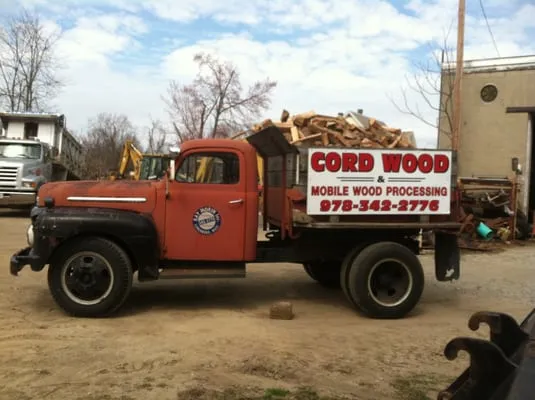
Ray Morin Inc. is a third-generation, family-owned excavating, landscaping, and cord wood company that has been serving North Central Massachusetts since 1948. Founded by Ray Morin Sr. with just one d...
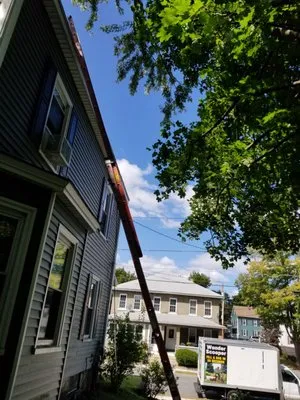
Winchendon Wood has been a trusted provider of tree services and landscaping in Harvard, MA, for over a decade. We specialize in comprehensive solutions including tree care, landscape design, construc...
Hummers Lawn Care is a trusted lawn service provider in Leominster, MA, specializing in comprehensive lawn care to keep your property healthy and attractive. We understand common local issues like spr...
Roland Landscaping is your trusted local partner for transforming outdoor spaces in Fitchburg, MA. We specialize in resolving common local landscaping challenges like dead lawn patches and shifting ro...
Ecology Lawn & Landscape is a Lunenburg-based landscaping company dedicated to solving common local yard challenges. Many homes in our area struggle with water pooling due to poor lawn grading and uns...
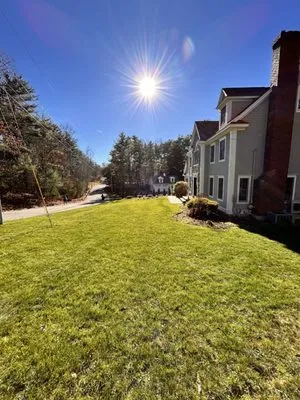
BCT Landscaping provides dependable lawn care for Lunenburg homeowners, focusing on practical, cost-effective solutions. We help maintain a healthy, green lawn through regular maintenance and address ...

Pine Fall Landscape is a trusted landscaping company serving Sterling, MA, and the surrounding communities. We specialize in comprehensive landscape maintenance and repair services, with particular ex...
Estimated Landscaping Service Costs in Leominster, MA
Questions and Answers
Why does my Highland Park lawn seem thin and struggle to hold nutrients?
Homes built around 1965 in this area, like yours, have soils that are now over 60 years old. In Leominster's naturally acidic sandy loam, decades of foot traffic and standard mowing have compacted the soil profile and depleted organic matter. This reduces percolation and root depth, creating a cycle of poor health. Core aeration and incorporating composted organic matter are critical to rebuild soil structure and microbial activity for long-term resilience.
How quickly can a crew respond for an emergency storm cleanup to meet an HOA deadline?
For time-sensitive compliance work, a dispatch from our staging area near Carter Park allows for efficient routing. Using Route 2, we can typically reach most Highland Park properties within the 20–30 minute peak response window. Our transition to electric maintenance fleets also ensures we can begin work immediately upon arrival, even early in the morning, in compliance with local noise ordinances prohibiting gas-powered tools before 7:00 AM.
My yard has persistent soggy areas and frost heave damage each spring. What's the solution?
This is a classic symptom of the high seasonal water table interacting with Leominster's sandy loam, which has low permeability when compacted. Correcting it requires subsurface drainage like French drains tied to a dry well. For any new patios or walkways, specifying permeable installations with materials like granite pavers or traprock can significantly reduce surface runoff, helping meet the Leominster Building Department's stormwater management standards.
What permits and contractor credentials are needed to regrade my 0.25-acre lot?
Significant earthmoving and grading on a property of this scale typically requires a permit from the Leominster Building Department to ensure proper drainage and adherence to lot coverage rules. More importantly, you must hire a contractor licensed by the Massachusetts Division of Occupational Licensure for landscaping or construction. This licensing guarantees they carry the required insurance and possess the technical knowledge to alter site drainage without negatively impacting adjacent properties.
How can I keep my Kentucky Bluegrass healthy during a Stage 1 water conservation advisory?
Effective irrigation under voluntary conservation relies on precision. A Wi-Fi ET-based system uses real-time weather data to apply only the water lost to evapotranspiration, eliminating wasteful schedules. For your acidic sandy loam, this means deeper, less frequent watering cycles that encourage drought-tolerant root growth. This technology is key to maintaining turf health within municipal guidelines while adapting to increasingly variable seasonal precipitation.
Are granite pavers a better long-term choice than wood for a new patio?
In our 6a climate with freeze-thaw cycles and moderate Firewise risk, inorganic materials like granite pavers offer superior longevity and lower lifetime maintenance than wood. They are non-combustible, contributing to defensible space, and their inherent durability prevents rot and insect damage. Properly installed with a permeable base, they also mitigate the drainage hazards common in the area, providing a stable and permanent landscape feature.
What should I do if I spot an invasive plant like Japanese Knotweed or Garlic Mustard?
Early and proper identification is critical, as these species aggressively outcompete natives. Manual removal is often effective for new infestations, ensuring the entire root system is extracted. For established patches, targeted, professional-grade herbicide application may be necessary, but timing is crucial to avoid the state's phosphorus ban blackout periods and prevent harm to non-target plants. Never compost invasive plant material.
Is there a lower-maintenance, eco-friendly alternative to my high-input lawn?
Transitioning sections of turf to a layered planting of Massachusetts natives like Eastern Redbud, Sweet Pepperbush, Wild Bergamot, and New England Aster creates a resilient, biodiverse landscape. This xeriscape approach drastically reduces mowing, watering, and the need for gas-powered blowers, aligning with future noise and emission regulations. It also provides superior habitat and requires no phosphorus fertilizer, adhering to statewide ordinances.
