Top Landscaping Services in Lancaster, MA, 01453 | Compare & Call
There are 201 landscaping companies server in Lancaster MA
JJT Excavation is your trusted local excavation contractor in Sterling, MA. We specialize in precision excavation and trench digging services to address common landscaping problems faced by homeowners...
J.H.Landscaping is a trusted local landscaping company serving Lancaster, MA, specializing in landscape maintenance and lawn care. We understand the common challenges Lancaster homeowners face, such a...
LDR Excavating & Landscaping
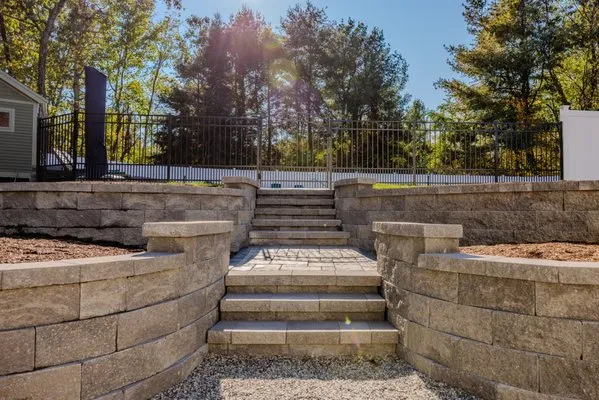
LDR Excavating & Landscaping is a Lunenburg-based company dedicated to transforming outdoor spaces with care and precision. We specialize in excavation, landscaping, and snow removal services, handlin...
Block and Blade Landscaping is your trusted local partner for a healthy, vibrant property in Groton, MA. We specialize in comprehensive landscape design, installation, and maintenance services tailore...
Earthscape
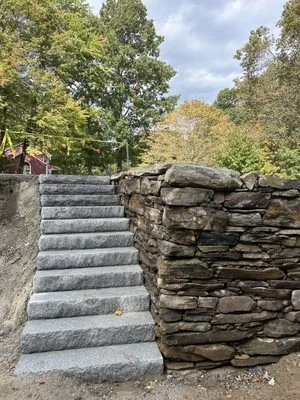
Earthscape, Inc. has been a trusted name in hardscaping and landscaping for Groton, MA, and the surrounding region since 1984. We are a design-build firm specializing in the construction of beautiful ...
Fitch Hill Stump Grinding and Landscaping is a Sterling-based company dedicated to enhancing local properties through comprehensive landscaping services. We specialize in landscape maintenance, lawn c...

Sweeney's Landscaping is a trusted, full-service company serving Templeton, Massachusetts, and Worcester County. We combine professional landscaping expertise with comprehensive junk removal and hauli...
Princeton Scapes
Princeton Scapes is a full-service landscaping company serving Sterling and Central Massachusetts since 1992. Founded by Rud with a single truck and a deep passion for property care, the company has g...
A.R.I. Grounds Maintenance, founded in Princeton, MA in 2014, is a locally owned and operated company dedicated to providing reliable landscaping, grounds maintenance, and snow removal services. Built...

Best Budss Landscaping LLC is a local landscaping and snow removal business serving Groton and the northwest Middlesex County area. We specialize in creating and maintaining beautiful outdoor spaces t...
Estimated Landscaping Service Costs in Lancaster, MA
Question Answers
How quickly can you respond to emergency storm damage for HOA compliance in Lancaster?
Emergency cleanup crews dispatch from Thayer Memorial Library via Route 2, arriving within 20-30 minutes during peak conditions. This response window accounts for Lancaster's noise ordinance restricting power equipment to 7am-8pm hours. Crews prioritize safety assessments before deploying electric chainsaws and chippers that meet both timing and decibel requirements for immediate debris removal.
What permits and licenses are needed for regrading my 0.75-acre Lancaster property?
The Lancaster Planning Department requires erosion control permits for any grading affecting more than 0.5 acres or altering drainage patterns. Contractors must hold Massachusetts Division of Occupational Licensure certification for earthwork operations, ensuring proper sediment barrier installation and final grade specifications. Professional licensing verifies competency in soil stability calculations and compliance with state environmental protection standards.
Why does my Lancaster Center lawn have such poor drainage and thin grass despite regular care?
Lancaster Center properties built around 1956 have 70-year-old soil profiles where decades of compaction and nutrient depletion have degraded the original acidic sandy loam. This soil type naturally has moderate permeability, but aging reduces pore space, creating runoff issues. Core aeration with organic compost amendments improves soil structure by increasing water infiltration and microbial activity, addressing both drainage and turf health.
Are granite and fieldstone worth the extra cost compared to wood for Lancaster patios?
Granite pavers and fieldstone offer 50+ year lifespans with minimal maintenance, outperforming wood's 10-15 year durability in New England's freeze-thaw cycles. These materials also support Lancaster's Moderate Firewise rating by creating defensible space zones without combustible elements. Their thermal mass moderates microclimate temperatures while providing permanent structure unaffected by moisture or insect damage.
What solutions work best for seasonal water table issues in Lancaster's sandy loam soils?
Granite pavers installed with permeable joints create infiltration zones that redirect surface runoff from seasonal high water tables. This approach complements French drains or dry wells by increasing ground absorption capacity. The Lancaster Planning Department requires drainage plans demonstrating reduced impervious surface area, making permeable hardscapes a compliant solution for moderate runoff hazards.
How can I reduce lawn maintenance while supporting local biodiversity?
Replacing high-input turf areas with native plantings like Common Milkweed and Little Bluestem creates low-maintenance landscapes that support pollinators. These species require no mowing, minimal watering, and provide habitat continuity. Transitioning to electric maintenance equipment ahead of tightening noise ordinances reduces both carbon emissions and operational disruptions during restricted hours.
Can I maintain a healthy Kentucky Bluegrass lawn under Lancaster's Stage 1 water restrictions?
Smart Wi-Fi ET-based controllers optimize irrigation by using real-time evapotranspiration data to match watering to actual plant needs. These systems reduce water use by 20-30% compared to traditional schedules while preserving the Fine Fescue mix's drought tolerance. Programming follows municipal guidelines, applying water during cooler hours to minimize evaporation and stay within voluntary conservation parameters.
What's the safest way to control invasive plants without harming my landscape?
Targeted manual removal or spot-treatment with EPA-approved herbicides avoids collateral damage to desirable species. Massachusetts law requires phosphorus-free fertilizers, so any soil amendments must comply with both state regulations and application timing restrictions. Regular monitoring for common invasives allows early intervention before they establish competitive advantages over native vegetation.
