Top Landscaping Services in Hubbardston, MA, 01452 | Compare & Call
There are 178 landscaping companies server in Hubbardston MA
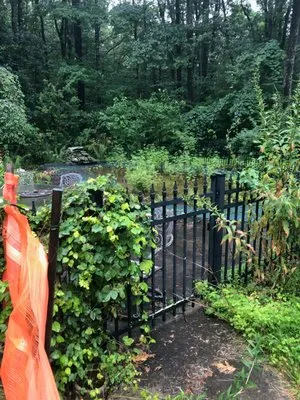
Greener Grass Lawn Care & More is a trusted, local lawn service provider dedicated to keeping Gardner, MA yards healthy and vibrant. We understand the common local challenges homeowners face, such as ...
TAC Landscaping is a trusted, locally-owned landscaping company based in Gardner, Massachusetts, serving residential and commercial clients throughout Central Massachusetts and surrounding areas. With...
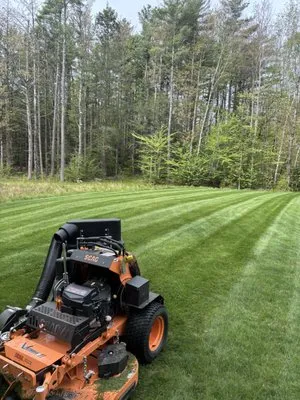
Butlers Professional Services is your trusted, year-round outdoor care partner in Gardner, MA. We specialize in expert lawn care and reliable snow removal, designed to meet the unique challenges of lo...
J's Lawncare & Snowplowing is a trusted Westminster, MA, company dedicated to maintaining your property's health and safety year-round. We understand the specific challenges local homeowners face, suc...
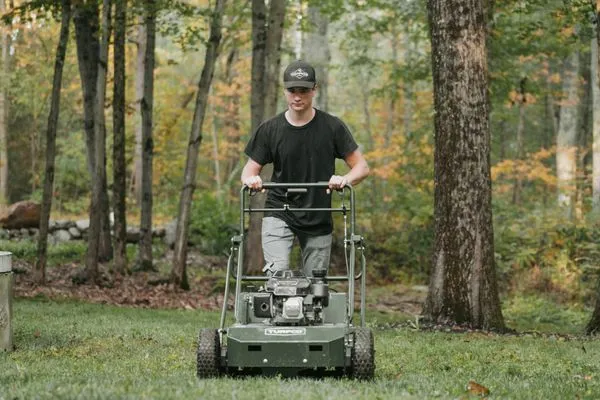
Quinn Earth and Turf
Quinn Earth and Turf is a Winchendon-based landscape, lawn, and snow removal company dedicated to creating and maintaining healthy, beautiful outdoor spaces for local homeowners. We understand the com...
Since 1996, Grasshopper Yard Grooming has been a trusted, locally-owned landscaping and maintenance provider in Hubbardston, MA. Operating year-round, we offer comprehensive services for both resident...
Croteau Landscaping is a trusted Westminster, MA landscaping company dedicated to solving common local lawn and garden challenges. We specialize in addressing issues like persistent lawn moss growth a...
Grass Clippings Lawn Care is a dedicated local provider serving Baldwinville and the surrounding communities. We specialize in comprehensive lawn care, focusing on the health and resilience of your tu...
Monahan Landscape is a trusted Baldwinville, MA-based provider of professional lawn care and landscape design services. We specialize in addressing common local landscaping challenges like dead lawn a...

Caruso Paving has been a trusted name in Rutland, MA, since 1985, specializing in masonry, concrete, and landscaping services. Founded and operated by Michael Caruso, the company is dedicated to deliv...
Estimated Landscaping Service Costs in Hubbardston, MA
Q&A
What permits and licenses are needed for major landscape changes?
Grading or retaining walls over 4 feet require Hubbardston Building Department permits, especially on 1.5-acre lots where erosion control plans must address water table impacts. The Massachusetts Board of Registration of Landscape Architects licenses professionals designing drainage systems or structural elements—verify credentials before contracting. Electrical work for irrigation controllers needs separate permitting, while native plant installations typically bypass review unless altering wetland buffers. Always request property pins from survey records before excavating near lot lines.
Should I choose granite cobblestone or wood for durable landscaping?
Granite cobblestone outperforms wood with 50+ year lifespan versus wood's 15-25 year replacement cycle in Hubbardston's freeze-thaw conditions. Crushed stone bases provide non-combustible defensible space meeting Moderate Fire Wise ratings for wooded interfaces. Permeable installation methods maintain natural drainage patterns while creating stable pathways resistant to frost heave. Unlike wood, granite requires no chemical treatments or annual maintenance, reducing long-term costs and environmental impact on your 1.5-acre property.
How quickly can you respond to storm damage for HOA compliance?
Emergency cleanup crews dispatch from Hubbardston Town Common via Route 68, reaching most Hubbardston Center properties within 45-60 minutes during peak response scenarios. Our electric maintenance fleet operates within the 7:00 AM-8:00 PM noise ordinance window without gasoline equipment restrictions. We prioritize safety assessments of compromised trees near structures before debris removal, documenting conditions for insurance purposes. Route 68 access allows efficient transport of chippers and loaders while avoiding residential congestion patterns.
What invasive species threaten Hubbardston landscapes, and how are they managed?
Japanese knotweed and garlic mustard pose significant risks in Hubbardston's disturbed soils, requiring manual removal before seed set in early summer. Treat regrowth with glyphosate spot applications during fall translocation, avoiding spring applications that violate Massachusetts' phosphorus ban on turf fertilizer. Never compost invasive plant material—bag and dispose offsite to prevent spread. Regular monitoring of woodland edges near Hubbardston Center properties catches invasions early when mechanical control remains effective without herbicides.
Why does my Hubbardston Center lawn struggle despite regular care?
Hubbardston's acidic sandy loam soil (pH 5.5-6.2) has matured for 44 years since typical 1982 neighborhood construction, leading to compaction and reduced permeability. This soil type naturally resists water infiltration, requiring core aeration every 2-3 years to improve oxygen exchange. Incorporate 0.5 inches of compost annually to boost organic matter above 3%, which enhances moisture retention in this free-draining substrate. Soil testing through UMass Extension confirms specific amendment needs before applying lime or sulfur adjustments.
How can I reduce mowing and gas equipment use on my property?
Replace high-maintenance turf with Eastern red columbine, butterfly milkweed, and little bluestem natives that thrive in Zone 5b without weekly mowing. These deep-rooted perennials require only seasonal cutting back, eliminating gas-blower use ahead of tightening noise ordinances. New England aster provides late-season pollinator support while stabilizing sandy soils. Transitioning 30-40% of lawn to native plantings reduces maintenance frequency from weekly to quarterly, aligning with 2026 biodiversity standards for wooded wildland-urban interfaces.
What solves persistent wet spots in my low-lying yard?
High seasonal water tables in Hubbardston's sandy loam require French drains or dry wells to intercept subsurface flow before saturation. Permeable crushed stone bases under granite cobblestone patios increase infiltration rates to 10-12 inches per hour, meeting Hubbardston Building Department runoff standards. Grade surfaces with 2% minimum slope away from foundations, using catch basins connected to drainage swales. These approaches address poor drainage while maintaining the soil's natural acidic character without altering pH significantly.
Can I maintain Kentucky Bluegrass during voluntary water conservation?
Smart Wi-Fi soil moisture sensors reduce irrigation by 30-50% while preserving turf health during Stage 1 voluntary restrictions. These controllers adjust schedules based on real-time evapotranspiration data rather than fixed timers, preventing overwatering in Hubbardston's sandy loam. Program deep, infrequent watering cycles (0.5-0.75 inches weekly) to encourage deeper root growth in fine fescue mixes. Municipal water limits become manageable when sensors trigger irrigation only at 50% soil moisture depletion, aligning with Hubbardston's conservation goals.
