Top Landscaping Services in Harvard, MA, 01434 | Compare & Call
There are 191 landscaping companies server in Harvard MA
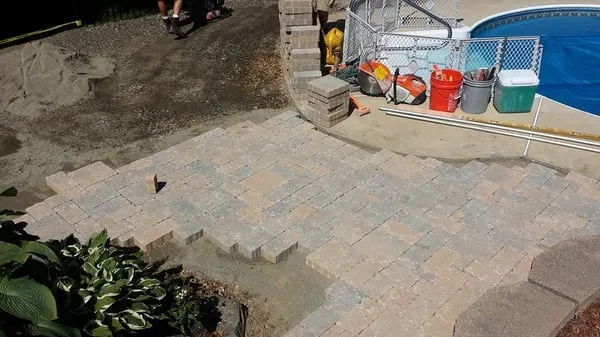
Central Mass Landscapes is a Worcester-based landscaping company founded in 2006 by local resident Chris Duncan. What began as a maintenance-focused operation has grown into a comprehensive service pr...
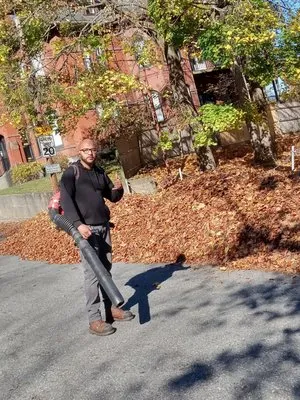
DeJarnette & Son's is a family-owned landscaping business serving Worcester, MA, with over 20 years of local experience. We specialize in comprehensive outdoor solutions including landscaping, snow re...
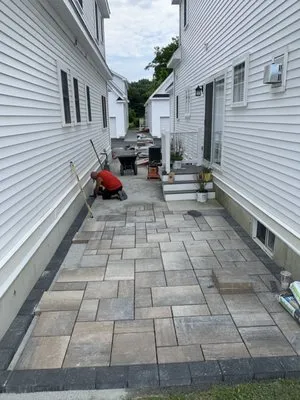
Pinwheel Property Maintenance
Pinwheel Property Maintenance LLC has been serving Worcester County, Massachusetts since 2021, specializing in landscaping, masonry, concrete, and snow removal services. We focus on creating durable, ...
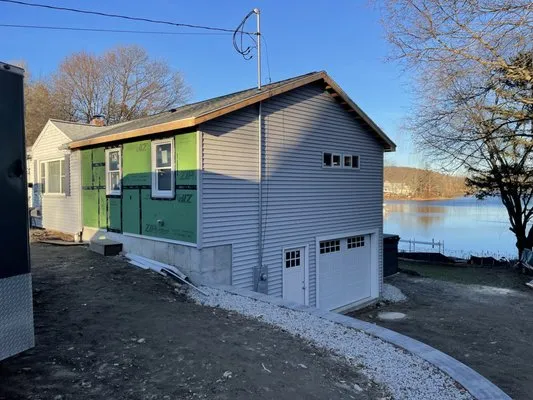
Ramshorn Companies, Inc. has been a trusted name in Millbury and the surrounding communities for over twenty years. As an experienced general contractor, we specialize in turning your vision into real...
Mike’s Lawn Care & Landscaping
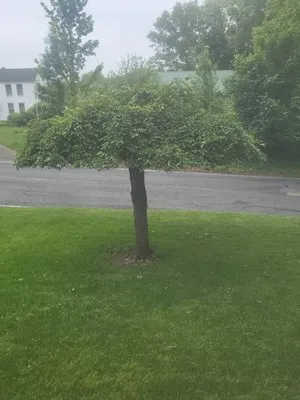
Mike's Lawn Care & Landscaping is a full-service Worcester company dedicated to creating and maintaining beautiful, healthy outdoor spaces. We understand the local challenges, like dying shrubs from d...
Dave's Landscape Management Company
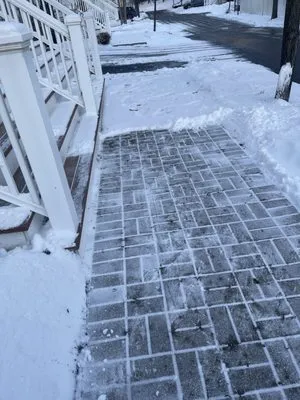
Dave's Landscape Management Company has been enhancing outdoor spaces in Hudson and the Boston Metrowest area since 1989. Founded by Dave, who started the business at age 11 and incorporated it after ...
Monette Landscaping & Construction
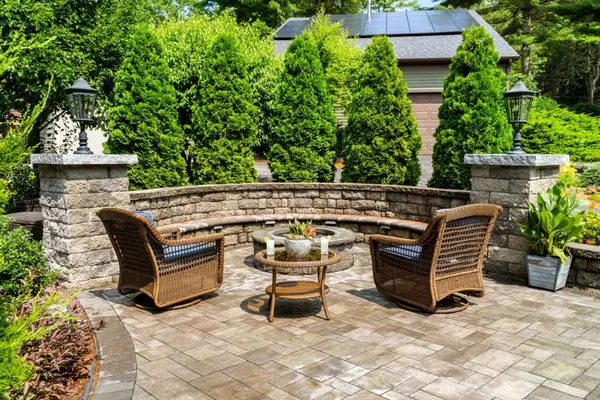
Monette Landscaping & Construction is a third-generation, family-owned business serving Spencer and Central Massachusetts since 1947. Rooted in integrity and family heritage, we treat every homeowner ...
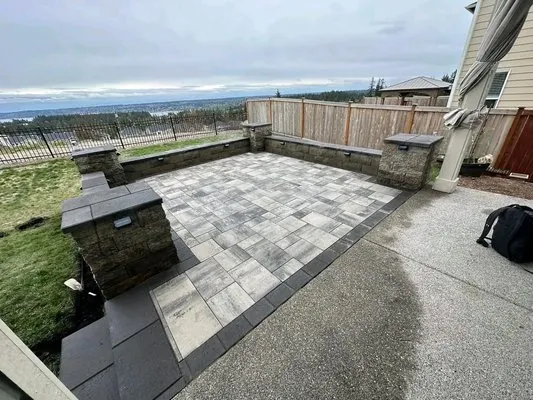
Felipa Landscaping is a trusted, full-service landscaping company serving Spencer, MA, and the surrounding areas. We specialize in landscaping, tree services, and masonry/concrete work, offering compr...
Gelinas Lawn Maintenance
Gelinas Lawn Maintenance is a locally owned and operated lawn care and waste management company serving Orange, MA, and surrounding areas since 1997. Founded by Michael Gelinas, this veteran-owned fam...
New England Aquatic Landscaping, founded by owner and combat veteran Shawn C., is a Cherry Valley-based veteran-owned business established in 2007. As a Master Certified Aquascape Contractor, our pass...
Estimated Landscaping Service Costs in Harvard, MA
Q&A
How do smart irrigation systems work with Harvard's voluntary water conservation measures?
Smart Wi-Fi controllers with soil moisture sensors optimize irrigation by using evapotranspiration (ET) data and real-time soil conditions. These systems maintain Kentucky Bluegrass and Fine Fescue blends while reducing water use by 30-50% compared to traditional timers. During Level 1 voluntary conservation periods, the technology automatically adjusts schedules based on weather forecasts and municipal guidelines. This approach preserves turf health while respecting Harvard's water resources and conservation goals.
What solutions address seasonal high water tables and poor infiltration in Harvard yards?
Seasonal high water tables in acidic fine sandy loam require French drains, dry wells, and grading adjustments to redirect subsurface water. Permeable concrete pavers and fieldstone veneer hardscapes increase surface permeability while meeting Harvard Planning Board runoff standards. Soil amendments like expanded shale improve infiltration rates in compacted areas. These combined approaches manage water movement through the soil profile while preventing surface ponding during spring thaw periods.
Why does my Harvard Center lawn have drainage issues and thin grass despite regular care?
Harvard Center properties built around 1975 have acidic fine sandy loam soil that has matured for approximately 51 years. This soil type naturally develops compaction layers that restrict water infiltration and root penetration. The pH range of 5.5-6.2 limits nutrient availability for Kentucky Bluegrass, which prefers neutral conditions. Core aeration with organic compost amendments improves soil structure and microbial activity, addressing both drainage and nutrient deficiencies common in established neighborhoods.
How quickly can you respond to emergency storm damage for HOA compliance in Harvard?
Emergency cleanup crews dispatch from Harvard Common via Route 2 with peak response times of 45-60 minutes during severe weather events. Our routing prioritizes arterial roads to access Harvard Center properties efficiently. We maintain electric equipment fleets that comply with noise ordinances for after-hours emergency work. Storm response protocols include immediate debris removal, safety assessments, and documentation for insurance claims to meet HOA compliance deadlines.
What permits and licenses are required for grading work on my 1.5-acre Harvard property?
The Harvard Planning Board requires grading permits for earth moving exceeding 50 cubic yards or altering natural drainage patterns. Massachusetts Division of Professional Licensure mandates that contractors performing this work hold Construction Supervisor Licenses with appropriate classifications. On 1.5-acre lots, engineered drainage plans may be necessary if modifying watershed boundaries. Professional licensing ensures compliance with state erosion control standards and protects against liability issues from improper grading practices.
What native planting options reduce maintenance while supporting local ecology?
Replacing high-maintenance turf with Common Milkweed, New England Aster, Joe-Pye Weed, and Sweet Pepperbush creates pollinator habitats while reducing mowing frequency. These native species require minimal irrigation once established and support 2026 biodiversity standards. Transitioning to electric maintenance equipment aligns with local advocacy for quieter operations within noise ordinance hours. This approach decreases fuel consumption while providing year-round ecological benefits across Harvard's landscape.
How do fieldstone and permeable pavers compare to wood for durability and fire safety?
Fieldstone veneer and permeable concrete pavers offer superior longevity with 50+ year lifespans versus wood's 15-25 year expectancy. These materials maintain structural integrity through freeze-thaw cycles common in USDA Zone 6a. For Moderate Fire Wise Rating (WUI Zone 2) compliance, non-combustible hardscapes create defensible space around structures. Permeable systems also manage stormwater runoff more effectively than impervious surfaces, meeting both safety and environmental requirements for Harvard properties.
How should I manage invasive species without violating fertilizer regulations?
Invasive species like Japanese knotweed and garlic mustard require targeted mechanical removal or approved herbicides applied during active growth phases. Massachusetts' statewide phosphorus ban prohibits turf fertilizers containing phosphorus, but organic soil amendments like compost tea and mycorrhizal inoculants improve soil health without regulatory issues. Treatment timing avoids blackout dates by focusing on early spring or late fall applications when invasive plants are most vulnerable to control measures.
