Top Landscaping Services in Hamilton, MA, 01936 | Compare & Call
There are 193 landscaping companies server in Hamilton MA

JNL Landscaping is a trusted, full-service landscaping company serving Haverhill, MA, and the surrounding Merrimack Valley. We specialize in thoughtful landscape design that creates beautiful, functio...
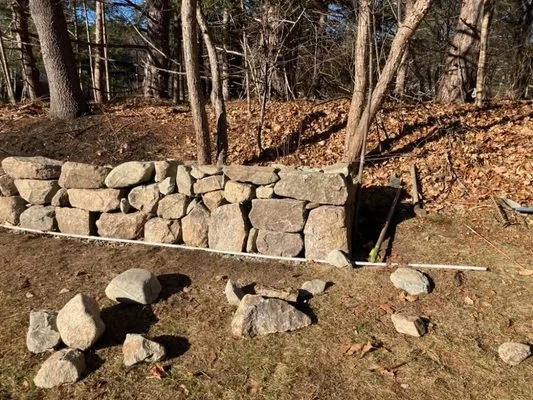
R&D Landscapes is a trusted Essex, MA-based company specializing in both landscaping and drywall services, offering comprehensive solutions for homeowners and businesses. With expertise in drywall ins...
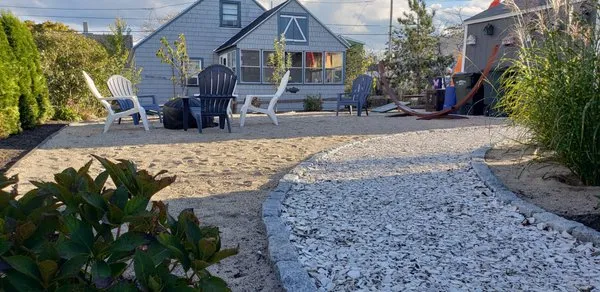
BC Landscaping is a full-service landscaping company serving Newbury, MA, and surrounding areas. We specialize in transforming outdoor spaces with comprehensive services including landscape design, ha...
Shore Landscaping
Shore Landscaping is a trusted, locally-owned business serving Manchester-by-the-Sea since 2010. Founded by neighbor Jon, a dedicated community member and family man, the company was built on a simple...
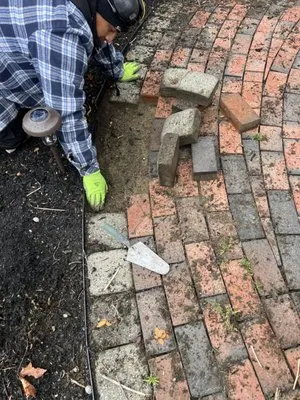
Rene Nolasco New Generation Landscaping is a trusted local landscaping company serving Lynn, MA, and the surrounding North Shore communities. We specialize in comprehensive landscape solutions, from d...

M&M Landscaping
Founded in 2006 by Mike Chiulli, M&M Landscaping is a family-owned and operated business dedicated to serving homeowners and businesses in Danvers and across the Boston North Shore. We're a full-servi...
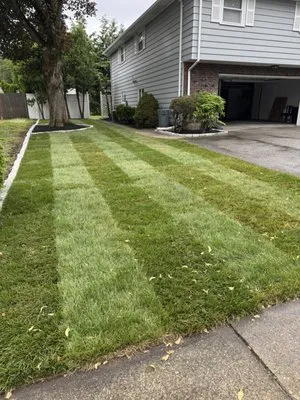
Dave’s Landscaping & Masonry is a Lynn-based company founded on a passion for turning outdoor dreams into reality. With over a decade of hands-on experience in the field and five years operating as ou...
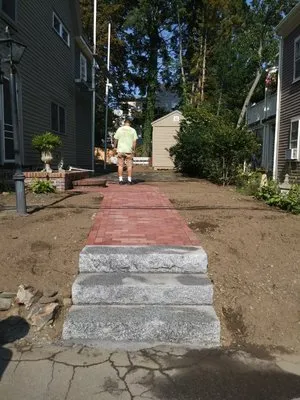
Garcia Landscaping and Construction is a Lynn-based family business that started with just one small truck and seven loyal customers. We've grown from offering basic spring and fall cleanups, hedge tr...
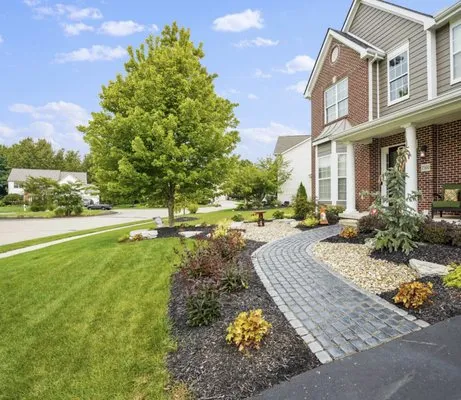
Miguel Lopez Landscaping & Hardscaping
Miguel Lopez Landscaping & Hardscaping has been serving Swampscott, MA, and surrounding communities with comprehensive outdoor solutions since 1960. As a family-operated business spanning multiple gen...
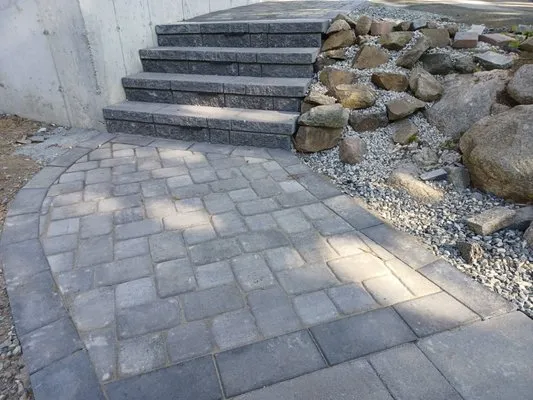
Zacarias Tree & Landscaping is a trusted, locally-owned company serving Lynn, Massachusetts and the surrounding communities for over 22 years. We provide comprehensive outdoor solutions for both homes...
Estimated Landscaping Service Costs in Hamilton, MA
Question Answers
What are the most aggressive invasive plants here, and how do I remove them safely?
Japanese knotweed and oriental bittersweet are high-priority invasives in Hamilton. They exploit disturbed soils and outcompete natives. Treatment requires a targeted, systemic herbicide applied at specific growth stages; manual removal often worsens the problem. Any application must be carefully timed to avoid the Massachusetts phosphorus ban blackout dates and prevent runoff into our sensitive watershed. A multi-year management plan is typically necessary for eradication.
I have a storm-damaged tree and my HOA needs it addressed immediately. How fast can you respond?
For emergency clean-up in Hamilton Center, our electric fleet can dispatch from our depot near Patton Park. Taking Route 1A allows us to bypass the worst of the town center congestion. We commit to an on-site assessment within 25-35 minutes during peak hours. This rapid response is compliant with local noise ordinances, as our battery-powered equipment can operate outside restricted gas-engine hours if safety is a concern.
Why does my Hamilton Center lawn look thin and compacted?
Homes in this neighborhood, built around 1967, have soils that are now nearly 60 years old. The native acidic sandy loam has become severely compacted by decades of foot traffic and traditional maintenance, reducing permeability. This compaction restricts root growth for your Kentucky Bluegrass and prevents water from infiltrating the dense glacial till layer below. Annual core aeration and amendments with compost are required to rebuild soil structure and organic matter.
Is a wood deck or a stone patio better for longevity and fire safety here?
Given Hamilton's moderate Fire Wise rating requiring 30 feet of defensible space, non-combustible materials are a prudent choice. Granite cobblestone and permeable clay pavers offer centuries of longevity with minimal upkeep, unlike wood which decays and requires chemical treatments. A properly installed paver patio also contributes to defensible space by creating a firebreak. For longevity, drainage, and fire resilience, stone and masonry hardscapes are superior investments.
I'm tired of weekly mowing and gas blower noise. What's a lower-maintenance alternative?
Transitioning perimeter zones to a xeriscape with native plants like Eastern Redbud, Highbush Blueberry, and New England Aster drastically reduces maintenance. These deep-rooted natives thrive in our acidic soil, require no fertilization under the phosphorus ban, and need minimal watering once established. This shift reduces your reliance on gas-powered equipment, future-proofing your landscape against tightening noise ordinances and moving you toward a 2026 biodiversity standard.
My yard has persistent soggy areas every spring. What's the long-term solution?
This is a classic symptom of our high seasonal water table and poor infiltration through glacial till. Simply adding drain pipe often fails. The engineered solution is to regrade with a permeable base and install systems like dry wells or infiltration trenches. Using permeable clay pavers for any new patios or paths can also significantly reduce surface runoff, which helps meet Hamilton Planning Board standards for stormwater management on your property.
Do I need a permit to regrade my yard and who is legally allowed to do the work?
On a 0.75-acre lot, significant regrading that alters water flow or involves retaining walls over 4 feet typically requires a permit from the Hamilton Planning Board. The work must be performed by a contractor licensed by the Massachusetts Division of Professional Licensure for landscaping or construction. This licensing ensures they carry the required insurance and understand state building codes, which is critical for preventing downstream drainage issues and liability.
How can I keep my lawn green during summer while respecting water conservation rules?
Under Stage 1 voluntary conservation, smart Wi-Fi controllers with soil moisture sensors are essential. These systems use local evapotranspiration (ET) data to apply water only when your specific soil profile needs it, preventing overwatering. For the acidic sandy loam common here, this technology ensures deep penetration to encourage drought-tolerant roots in your fescue mix. This method often uses less water than the municipal allowance while maintaining turf health.
