Top Landscaping Services in Groveland, MA, 01834 | Compare & Call

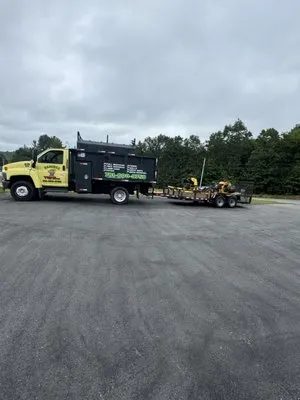
Ramirez Hardscapes & Tree Service
Ramirez Hardscapes & Tree Service is a family-run business serving Groveland, MA, and the surrounding communities. Our story began with a simple goal: to support our family by doing honest, quality wo...
Frye's Landscaping and Irrigation
Since 1984, Frye's Landscaping and Irrigation has been a trusted name for homeowners and businesses throughout Groveland, MA, and the surrounding Merrimack Valley. Founded on principles of honesty and...

Santos Irrigation Service is a trusted Groveland lawn sprinkler specialist with over 25 years of experience dedicated to the health and beauty of local landscapes. We provide comprehensive sprinkler s...
Dunn Landscaping & Contracting has been a trusted name in Groveland, MA, since 1982, providing comprehensive landscaping and contracting services to both residential and commercial properties. Special...
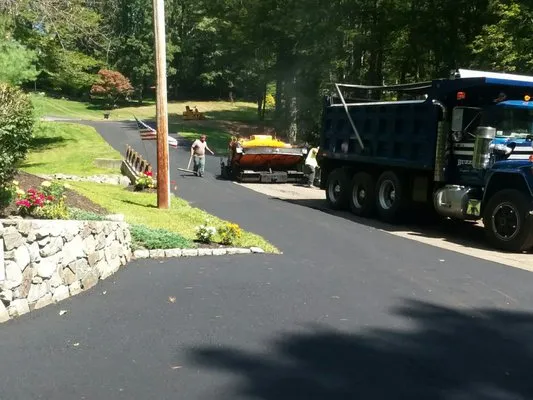
Pentucket Paving & Landscaping
Pentucket Paving & Landscaping is a trusted, full-service contractor serving Groveland, MA, and the surrounding communities. We specialize in landscaping, masonry/concrete work, and snow removal, prov...
Groveland Landscaping has been a trusted part of the Groveland, MA community since 1979. We provide reliable, full-service landscaping for homes and businesses, specializing in everything from initial...
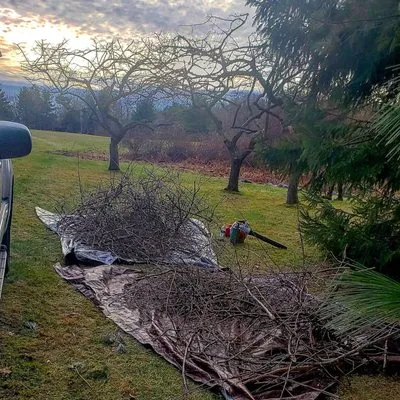
Bosley Tree and Shrub Care is a licensed tree service company based in Groveland, MA, specializing in ornamental pruning, plant health care, garden maintenance, and stump grinding. Founded in 2014 and...
Common Questions
Do I need a permit to regrade my half-acre lot, and what kind of professional should I hire?
Yes, significant regrading on a 0.50-acre lot in Groveland typically requires an earth disturbance permit from the Groveland Building Department to ensure proper stormwater management and adherence to bylaws. For design and oversight, you must hire a professional licensed by the Massachusetts Board of Registration of Landscape Architects. This licensing guarantees expertise in soil mechanics, hydrology, and plant sciences, ensuring the work is structurally sound and ecologically integrated, protecting your property value.
How can I keep my Kentucky Bluegrass lawn healthy during Groveland's voluntary water restrictions?
Stage 1 voluntary restrictions highlight the need for precision watering. Installing smart Wi-Fi soil moisture sensors eliminates guesswork by triggering irrigation only when the root zone moisture drops below a set threshold. This ET-based approach delivers water directly to the fine fescue mix's deeper roots, promoting drought tolerance. The system automatically bypasses cycles after rainfall, conserving municipal water while maintaining turf vitality.
I've spotted invasive Japanese Knotweed and need to treat it, but I'm confused by fertilizer laws.
Japanese Knotweed is a high-priority invasive requiring careful management. Crucially, Massachusetts Phosphorus Restrictions (330 CMR 31.00) apply only to lawn fertilizers, not to targeted herbicide applications for invasive species control. The safest protocol is a late-season foliar treatment by a licensed professional, which minimizes drift and aligns with the plant's lifecycle. This approach eradicates the knotweed without violating local fertilizer blackout dates or harming nearby native plantings.
A major storm blew through and I need emergency debris cleanup to meet HOA compliance. How fast can you get here?
Our storm response protocol for Groveland Center prioritizes routes from our central staging area at Elm Park. Using Route 97, we can typically mobilize an electric crew to your property within the 20-30 minute peak response window. This ensures we operate within the town's 7am-8pm noise ordinance while efficiently clearing hazardous limbs and debris to restore site safety and compliance.
My yard stays soggy and I'm worried about frost heave damaging my walkways. What's the solution?
A high seasonal water table combined with sandy loam's slow percolation creates chronic surface saturation and frost heave risk. The remedy is a two-tiered approach: first, install French drains or dry wells to intercept subsurface flow. Second, replace impermeable surfaces with permeable installations using local granite pavers or fieldstone set on a gravel base. This meets Groveland Building Department runoff standards by allowing infiltration, reducing ice lens formation that lifts hardscapes.
I want a lower-maintenance, eco-friendly yard. What should I plant instead of grass?
Transitioning high-input turf to a native plant community is a forward-looking strategy. For Groveland's Zone 6a conditions, a matrix of Common Milkweed, New England Aster, Sweet Pepperbush, and Wild Columbine provides season-long blooms, supports 2026 biodiversity targets, and requires no gas-powered blowing. These deep-rooted natives thrive in acidic sandy loam, eliminate fertilizer needs, and align with coming incentives for electric maintenance fleets governed by local noise ordinances.
Is a wood deck or a stone patio better for longevity and safety in Groveland?
For longevity and reduced maintenance, granite or fieldstone hardscapes significantly outperform wood in our climate. Stone is non-combustible, a key factor for maintaining the defensible space required even in a Level 1 Firewise Community. It also withstands freeze-thaw cycles without rotting or warping. A properly installed stone patio on a compacted gravel base will have a permeability that manages runoff and a lifespan measured in decades, not years.
Why does my yard in Groveland Center have such poor soil compared to newer neighborhoods?
Homes built around the 1976 average in Groveland Center are now on 50-year-old lots, where the original topsoil was often stripped or compacted during construction. The dominant acidic sandy loam naturally leaches nutrients and has low water retention. Decades of foot traffic and standard mowing have further compacted the soil profile, reducing oxygen for roots. Core aeration and incorporating 2-3 inches of composted organic matter are critical first steps to rebuild soil structure and biology.
