Top Landscaping Services in Gardner, MA, 01440 | Compare & Call

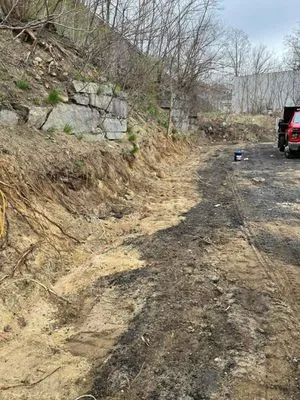
C&A Rod Construction is your trusted, full-service partner for excavation, construction, and landscaping in Gardner, MA. We specialize in tackling the common local challenges homeowners face, such as ...
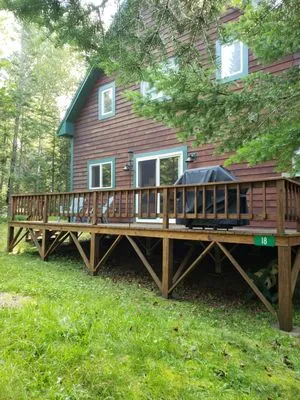
For over two decades, Lewis Property Care has been a trusted, owner-operated family business serving Gardner and the surrounding areas. We believe in honest, straightforward service, keeping things si...
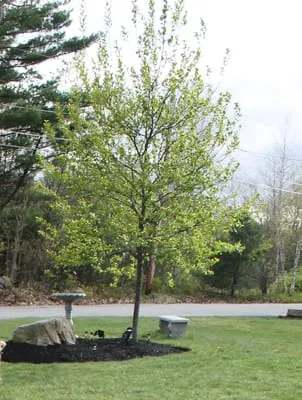
J. LeBlanc and Sons Landscaping is a family-owned and operated lawn care provider serving Gardner, MA, with over 15 years of experience in the industry. Founded on principles of respect, professionali...
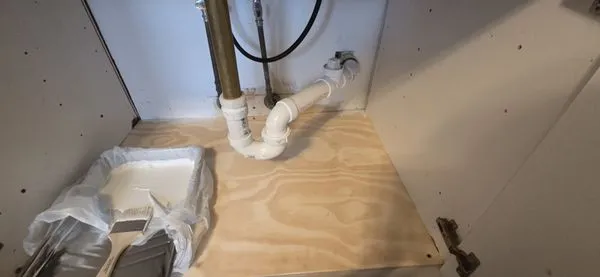
Mayans Landscaping is your trusted, local expert for a beautiful and healthy yard in Gardner, MA. We specialize in comprehensive landscaping, professional snow removal, and even plumbing services to t...
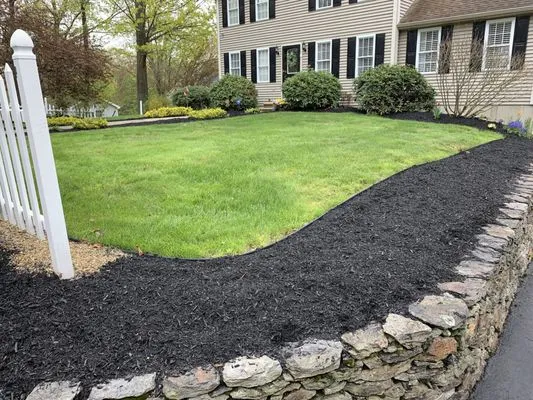
Prestige Property Management
Prestige Property Management is a full-service company based in Gardner, MA, dedicated to enhancing and maintaining residential and commercial properties across Central and Western Massachusetts. We m...
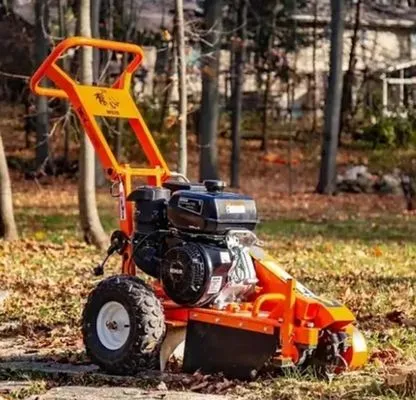
Riva's Edge is a family-owned landscaping, snow removal, and tree service company based in Gardner, MA. What began as a side project has grown into a dedicated local business, driven by positive word-...

Royal Land Management is a trusted local lawn care provider serving Gardner, MA. We believe in raising the standard for property maintenance, moving beyond basic grass cutting to deliver consistent, r...

Caw Landscapes has been a trusted name in Gardner and Central Massachusetts since 1985, providing reliable landscaping and snow removal services. With decades of experience, we specialize in residenti...
JM Landscapes is a dedicated, full-service landscaping company serving homeowners and businesses in Gardner, MA. We specialize in diagnosing and solving the specific lawn challenges common to our regi...
Lawn Care Ministrees is a dedicated lawn service provider serving homeowners in Gardner, MA, and the surrounding areas. We specialize in comprehensive lawn care solutions tailored to the specific chal...
FAQs
What's the best solution for seasonal surface ponding in my Gardner yard?
Gardner's acidic sandy loam combined with high frost heave potential creates ideal conditions for surface ponding. Installing permeable concrete pavers or natural fieldstone with proper base preparation increases infiltration rates by 50-70%. These materials meet Gardner Building Department runoff standards while providing stable surfaces resistant to frost damage. French drains connected to dry wells offer additional protection against water accumulation during heavy precipitation events.
How quickly can you respond to an emergency tree cleanup after a storm in Gardner?
Our emergency response team can typically reach Downtown Gardner properties within 20-30 minutes during peak storm conditions. We dispatch from Gardner City Hall, taking Route 2 for efficient access to residential areas. This rapid response helps prevent property damage and ensures HOA compliance with debris removal requirements. Our electric equipment fleet operates quietly within Gardner's 8pm-7am noise ordinance restrictions.
What permits and licenses are required for regrading my 0.25-acre Gardner property?
Grading work on 0.25-acre lots requires both Gardner Building Department permits for earth movement and Massachusetts Division of Occupational Licensure certification for contractors. The permit office reviews drainage plans to ensure compliance with runoff management standards, particularly important given Gardner's surface ponding hazards. Licensed professionals understand soil bearing capacity calculations and proper slope stabilization techniques. This licensing ensures work meets structural integrity requirements while protecting adjacent properties from erosion or drainage issues.
What are my options for reducing lawn maintenance while supporting local biodiversity?
Replacing high-maintenance turf with native plantings like Eastern Red Columbine, New England Aster, Joe-Pye Weed, and Switchgrass creates resilient landscapes requiring minimal intervention. These species thrive in USDA Zone 5b conditions with acidic sandy loam, supporting pollinators while reducing water needs by 60-80%. Transitioning to electric maintenance equipment aligns with Gardner's noise ordinance while preparing for future gas-blower restrictions. This approach creates year-round visual interest with reduced chemical inputs.
Why does my Downtown Gardner yard have such compacted soil that won't absorb water properly?
Gardner's 1956 average construction date means your soil has matured for 70 years, developing significant compaction from decades of foot traffic and equipment use. The acidic sandy loam common in Downtown Gardner naturally compacts over time, reducing permeability and creating surface ponding. Core aeration with organic amendments like composted leaf mold addresses this by improving soil structure and increasing water infiltration. This treatment is particularly effective in spring before peak mulching season in mid-April to May.
Are concrete pavers or natural fieldstone better for longevity in Gardner's climate?
Both concrete pavers and natural fieldstone outperform wood in longevity, with 30+ year lifespans versus wood's 10-15 years in Zone 5b conditions. Concrete pavers offer consistent sizing for precise installation, while fieldstone provides natural variation that complements Gardner's landscape character. These materials support Moderate Fire Wise ratings by creating defensible space without combustible elements. Proper base preparation with geotextile fabric prevents frost heave damage common in Gardner's soil profile.
How should I handle invasive species like Japanese knotweed without violating Massachusetts fertilizer regulations?
Japanese knotweed and garlic mustard present significant threats in Gardner's residential landscapes. Mechanical removal during early growth stages followed by targeted organic treatments avoids phosphorus application during blackout periods specified in MA 330 CMR 31.00. Soil testing determines precise amendment needs, preventing unnecessary fertilizer use. Establishing competitive native plant communities creates natural barriers against reinfestation while maintaining soil health in acidic conditions.
How can I maintain healthy Kentucky Bluegrass turf during Gardner's voluntary water conservation periods?
Smart Wi-Fi soil moisture sensor controllers optimize irrigation by delivering water only when turf needs it, typically reducing usage by 30-40%. These systems monitor evapotranspiration rates and soil conditions, applying water during cooler morning hours to minimize evaporation. This approach maintains your Fine Fescue blend's health while respecting municipal water limits. Proper irrigation scheduling also reduces frost heave potential in Gardner's challenging soil conditions.
