Top Landscaping Services in Freetown, MA, 02702 | Compare & Call
There are 168 landscaping companies server in Freetown MA
C&A Lawn Care is your trusted, local partner for a healthier, more beautiful property in Fall River, MA. We understand the unique challenges homeowners face here, from soil compaction that chokes out ...
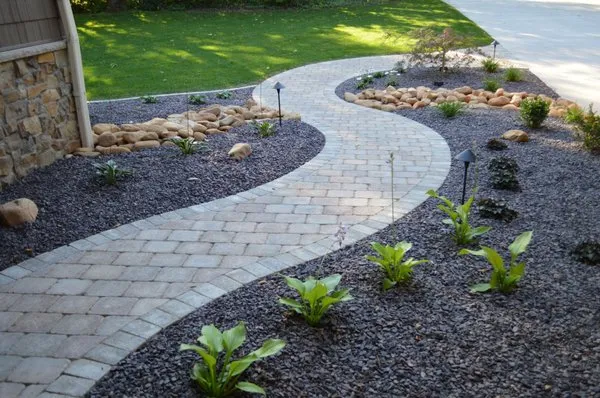
Araujo's Irrigation & Landscaping is a trusted local resource for Fall River homeowners, providing comprehensive care for lawns, shrubs, trees, and irrigation systems. We focus on creating and maintai...
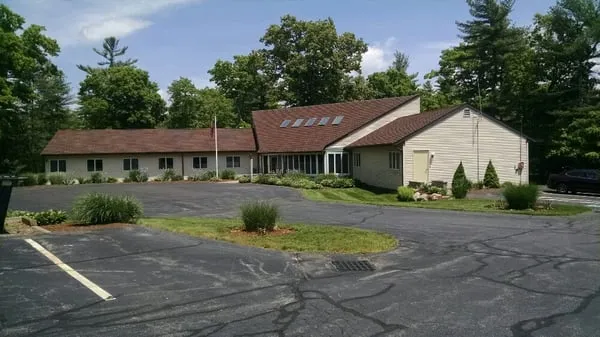
Infinite Designs Landscape Services
Infinite Designs Landscape Services has been creating and maintaining beautiful New England landscapes for over three decades in West Wareham, MA. With extensive experience in landscape design, irriga...
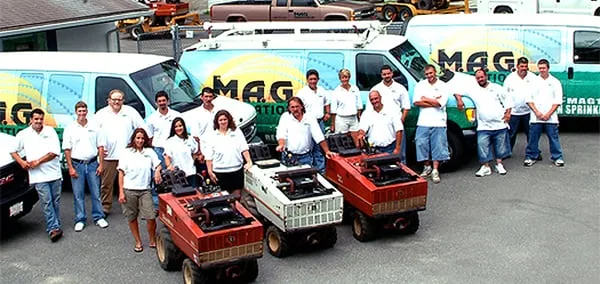
M.A.G. Irrigation is a family-owned and operated irrigation specialist based in East Freetown, Massachusetts, with over 30 years of experience serving southeastern Massachusetts. Founded by George and...
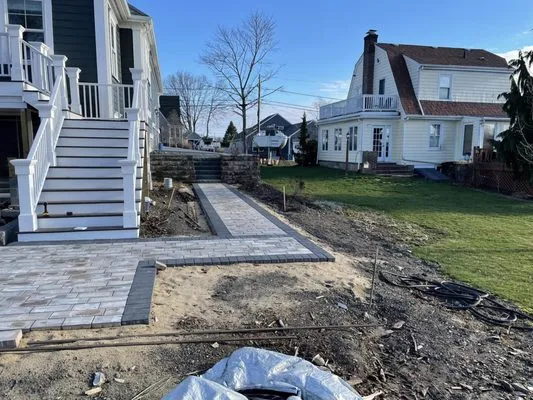
Coastal Aquascapes
At Coastal Aquascapes in Somerset, MA, we transform outdoor spaces by blending artistry with expert masonry and landscaping. We specialize in designing and constructing natural water features, from se...
DeMelo & Sons Landscape is a family-owned and operated hardscaping and landscape construction company serving Dartmouth and the South Coast. We specialize in durable, long-lasting solutions for common...
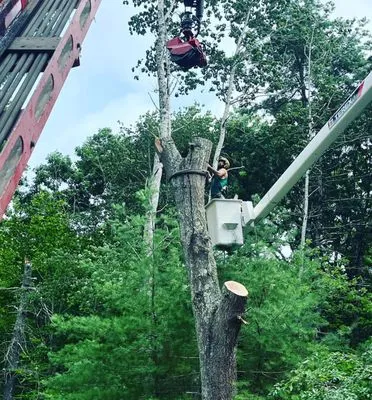
Beaver Tree Works is a locally owned tree service and landscaping company that has been a trusted name in Lakeville and Southeastern Massachusetts since 1992. Founded by Gary C. Loranger, the company ...
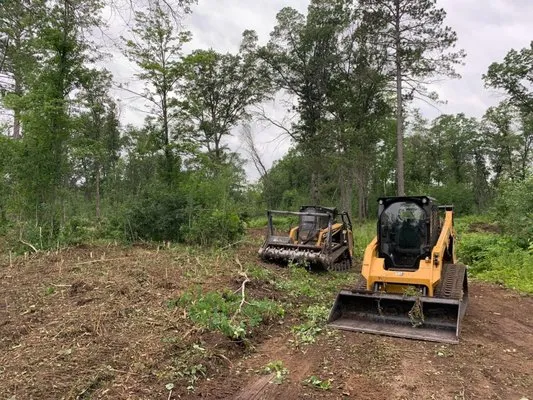
Kendall Properties
At Kendall Properties in Taunton, we transform outdoor spaces into beautiful, lasting environments that reflect your personal style. Our experienced team combines skilled landscape design with expert ...
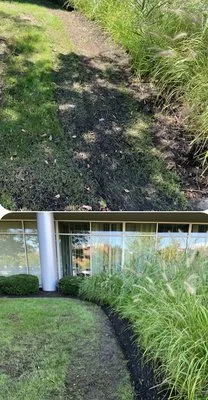
A.P Garden & Landscape is a full-service Fall River landscaping company dedicated to enhancing and protecting your property's curb appeal and health. We specialize in comprehensive shrub and tree care...

Lawnscapes has been serving Rehoboth, MA, and surrounding communities since 1999, offering comprehensive landscaping, snow removal, and firewood services. Founded by an owner with a degree in plant an...
Estimated Landscaping Service Costs in Freetown, MA
Frequently Asked Questions
What permits and licenses does grading my 1.2-acre lot require?
Grading projects exceeding 100 cubic yards of earth movement require Freetown Building Department permits under Massachusetts stormwater regulations. The Massachusetts Board of Registration of Landscape Architects licenses professionals for designs affecting drainage patterns on lots over 1 acre. Certified professionals ensure compliance with erosion control measures and proper slope stabilization. Unlicensed grading can violate state environmental protection laws and municipal zoning ordinances.
What solves seasonal flooding in my sandy loam yard?
High water tables in acidic sandy loam require French drains with clean crushed stone aggregate to improve infiltration rates. Permeable granite paver installations meet Freetown Building Department runoff standards by allowing 4-6 inches per hour permeability. Grading adjustments directing water away from foundations should maintain minimum 2% slope. These solutions address poor infiltration while preventing soil erosion during heavy precipitation events common in USDA Zone 6b.
How quickly can you respond to storm damage for HOA compliance?
Emergency cleanup dispatch from Freetown State Forest via MA-24 reaches Assonet properties within 45-60 minutes during peak conditions. Our electric maintenance fleet operates within Freetown's 8pm-7am noise ordinance restrictions without gas-blower limitations. We prioritize safety zones first, then address fallen limbs exceeding 2-inch diameter that violate most HOA landscape maintenance clauses.
How do I control invasive species without violating fertilizer rules?
Japanese knotweed and garlic mustard require mechanical removal before seed set, typically by early June in Zone 6b. Massachusetts Plant Nutrient Management Regulations prohibit certain fertilizer applications between November 15 and March 1. Spot treatments with glyphosate alternatives like iron-based herbicides avoid blackout date conflicts. Regular monitoring prevents re-establishment while maintaining soil health through organic matter additions rather than synthetic inputs.
Can I maintain Kentucky Bluegrass during Stage 1 water restrictions?
Wi-Fi ET-based weather sensing irrigation preserves turf health while reducing water use 30-40% below conventional systems. The technology calculates evapotranspiration rates specific to Freetown's microclimate, applying 0.75-1.0 inches weekly during peak demand. This meets Kentucky Bluegrass and Fine Fescue requirements while staying within voluntary conservation guidelines. Soil moisture sensors prevent irrigation during precipitation events, further conserving municipal water resources.
Should I replace high-maintenance grass with native plants?
Transitioning to Eastern Red Cedar, Sweet Pepperbush, Swamp Milkweed, and Little Bluestem reduces maintenance frequency by 60-70%. These natives thrive in Freetown's acidic sandy loam without supplemental irrigation once established. The shift anticipates potential gas-blower restrictions under evolving noise ordinances while supporting 2026 biodiversity standards. Native plantings also provide habitat corridors connecting to Freetown State Forest's ecosystem.
Are granite pavers better than wood for fire safety?
Granite pavers provide superior fire resistance compared to combustible wood materials, crucial in Freetown's Moderate Wildland-Urban Interface rating. They create defensible space when installed 5-10 feet from structures, meeting Firewise USA recommendations. Granite's longevity exceeds 50 years with minimal maintenance, while crushed stone pathways further reduce flammable vegetation. These materials withstand freeze-thaw cycles better than wood in New England's climate.
Why does my Assonet yard have such poor drainage and compacted soil?
Freetown's 1979-era development created soil conditions that have matured for 47 years. Acidic sandy loam with pH 5.5-6.0 naturally compacts over decades, reducing permeability to less than 0.5 inches per hour. Core aeration with organic amendments like composted leaf mold addresses this by increasing pore space and microbial activity. Regular soil testing every 2-3 years monitors pH drift toward excessive acidity that inhibits nutrient uptake.
