Top Landscaping Services in Framingham, MA, 01701 | Compare & Call
There are 205 landscaping companies server in Framingham MA
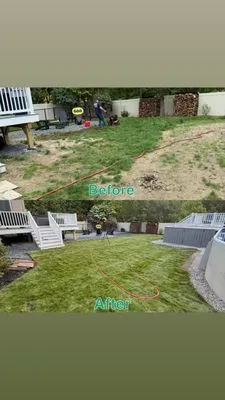
Dillon's Designs Landscaping is a full-service landscaping company serving Franklin, MA, and surrounding areas. We specialize in comprehensive landscape design, construction, and maintenance, includin...
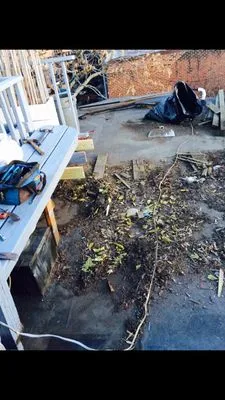
Brothers Landscaping Care is a Clinton, MA-based family business owned by Yoni Aguilar. Founded on a legacy of landscaping expertise passed down through generations, the company started small and has ...
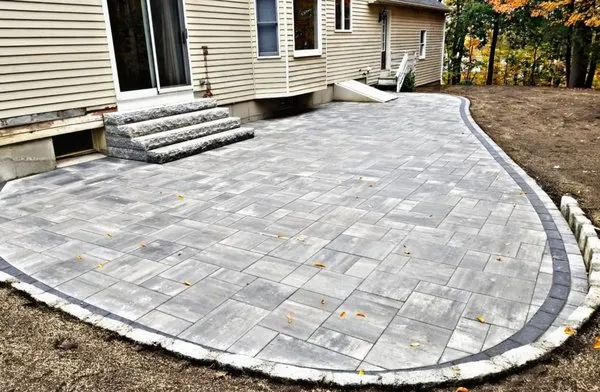
Campos Brothers Landscaping
Campos Brothers Landscaping is a locally owned and operated landscape construction company serving Shrewsbury and the surrounding areas since 2006. Founded by Jacob Campos, the team consists of regist...

Navian Property Services is your Worcester-based partner for year-round property maintenance, owned and operated locally by Edgar. We provide reliable junk removal, lawn care, and snow removal service...
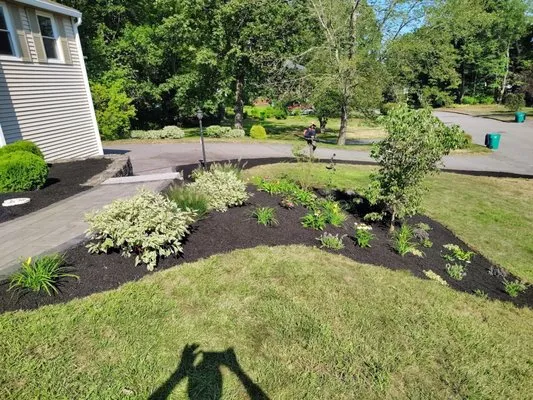
NXT Landscaping is a licensed and insured, family-owned business serving Fitchburg and Central Massachusetts with over 15 years of experience. We specialize in comprehensive landscaping and tree care,...
For over two decades, Suburban Landscaping Inc. has been a trusted resource for Dudley, MA, homeowners and businesses, bringing over 25 years of hands-on experience to every project. We focus on creat...
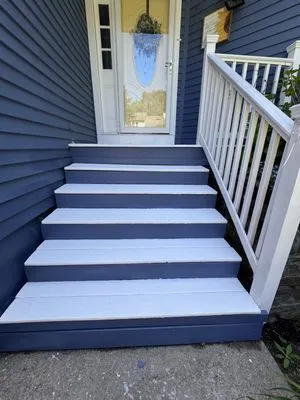
His and Hers Home Improvement Services is a locally owned, family-operated husband and wife team in Worcester, MA. We combine our skills to offer a full range of home and yard care, from handyman repa...
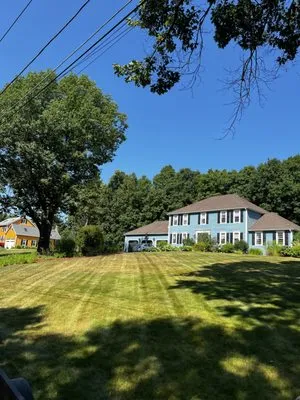
Alberto and Sons Landscaping is a family-owned business serving Marlborough, MA, and surrounding areas with comprehensive outdoor solutions. We specialize in both landscaping and snow removal, offerin...
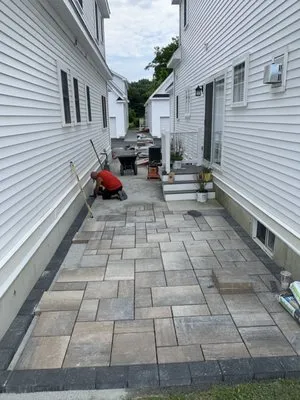
Pinwheel Property Maintenance
Pinwheel Property Maintenance LLC has been serving Worcester County, Massachusetts since 2021, specializing in landscaping, masonry, concrete, and snow removal services. We focus on creating durable, ...
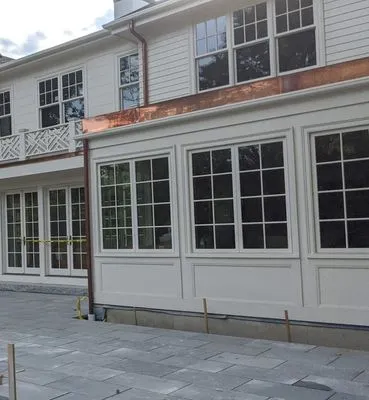
A Stone Flake is a Sudbury, MA-based family business specializing in comprehensive landscaping and hardscaping solutions. Founded and owned by Sergio Ribeiro, who brings over 15 years of professional ...
Estimated Landscaping Service Costs in Framingham, MA
Q&A
Our yard stays soggy into spring and we get frost heaves on the walkway. What's the cause and a long-term fix?
The high seasonal water table on Framingham's acidic sandy loam creates persistent spring saturation and frost heave risk. The long-term fix integrates subsurface drainage with surface solutions. Installing permeable clay pavers for patios or walkways increases infiltration, reduces runoff, and meets Planning & Community Development standards for stormwater management, directly mitigating the heaving.
We need an emergency storm cleanup to meet an HOA compliance deadline. How quickly can a crew get to Nobscot?
For urgent HOA compliance, a crew can be dispatched from Framingham Centre Common. The route via I-90 (Massachusetts Turnpike) to the Nobscot area typically requires 25-40 minutes during peak response times. We prioritize electric equipment for immediate, quiet operation upon arrival to comply with local noise ordinances starting work at 7 AM.
We're regrading our 0.28-acre lot. Why do contractors mention specific licenses and permits for this work?
Regrading alters water flow and can impact neighboring properties, making it a regulated activity. For a 0.28-acre lot in Framingham, significant earth movement likely requires a permit from the Planning & Community Development office to ensure proper drainage and erosion control. The work must be supervised by a professional licensed by the Massachusetts Board of Registration of Landscape Architects to guarantee it meets technical and environmental standards.
Our 1960s-era Nobscot lot has thin, patchy grass. Is this just an old lawn, or is there a soil problem?
Homes built around 1964 have soils approximately 62 years in development, but that maturity is often shallow. The predominant acidic sandy loam here compacts easily and loses organic matter over decades. This leads to poor root penetration, low water retention, and that thin turf. Core aeration followed by top-dressing with compost is critical to rebuild soil structure and support healthy grass.
With Stage 1 water restrictions, how do we keep our Kentucky Bluegrass blend green without wasting water?
Wi-Fi ET-based weather-sensing irrigation is the precise solution. It automatically adjusts runtime by calculating daily evapotranspiration rates, applying only the water the turf has lost. This system preserves the Kentucky Bluegrass and Fine Fescue blend while keeping usage well within voluntary municipal limits, effectively making the restrictions imperceptible for lawn health.
I've spotted invasive Japanese Knotweed and want to treat it, but I'm confused about fertilizer laws. What's the protocol?
Invasive species like Japanese Knotweed require targeted herbicide application, which is separate from fertilizer regulation. Massachusetts law (330 CMR 31.00) mandates phosphorus-free fertilizer for routine lawn care, but this does not govern professional herbicide use for invasives. Treatment should be timed for the plant's active growth phase, typically late summer, and always applied by a licensed professional for safety and efficacy.
We're replacing a wooden deck. How do permeable clay pavers or granite cobblestone compare for longevity and safety?
Permeable clay pavers and granite cobblestone offer vastly superior longevity to wood, with lifespans measured in decades versus years. They also contribute directly to a property's Firewise rating (NFPA 1144) by creating a non-combustible, defensible space. This inert, permeable surface manages runoff and is a strategic choice for moderate-risk zones, adding both resilience and value.
I want to reduce mowing, watering, and gas-powered noise. What's a resilient alternative to traditional turf?
Transitioning to a landscape anchored by New England Aster, Butterfly Milkweed, and Little Bluestem creates a climate-adaptive xeriscape. These natives require minimal irrigation once established, eliminate weekly mowing, and provide superior habitat. This shift future-proofs your property against tightening noise ordinances and aligns with 2026 biodiversity and water conservation goals.
