Top Landscaping Services in Duxbury, MA, 02331 | Compare & Call


Advanced Landscaping is the local Duxbury business founded by Paul Morrison, a Duxbury High and Bentley College graduate who started mowing lawns at age 12. That early passion for outdoor work and cus...
Hedges Landscaping Company is a Duxbury-based, full-service landscaping and hardscaping provider dedicated to enhancing outdoor living spaces across the South Shore. Specializing in landscape design, ...
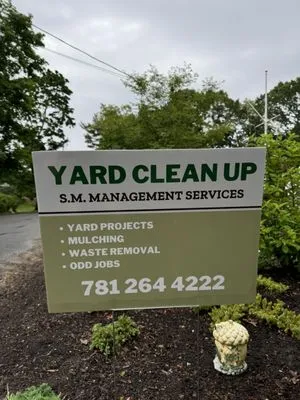
South Shore Junk Removal & Landscaping is your local, dedicated team in Duxbury, MA, founded by Sam Mazanec. What started with small landscaping projects has grown into a full-service operation becaus...

Oliver's Fine Gardens & Gifts
Oliver's Fine Gardens & Gifts is a Duxbury-based landscaping and garden design company serving the South Shore community. We specialize in comprehensive gardening, landscape design, and ongoing mainte...
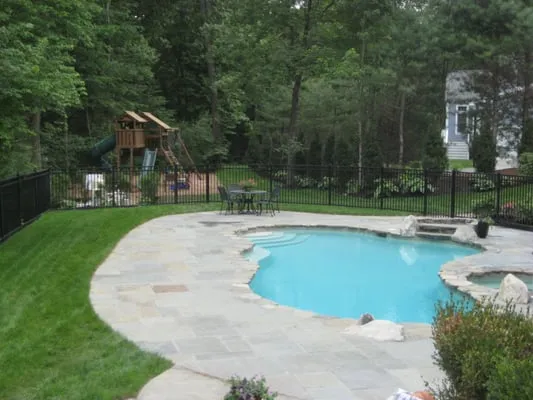
Carney Tree and Landscape
Carney Tree and Landscape is a Duxbury-based landscaping company with deep local roots and decades of experience. Founded as Carney Cain Tree and Landscape, Inc., the business evolved after Rob Cain's...
Eagle's Nest Tree & Landscape is a trusted Duxbury, MA landscaping company dedicated to enhancing local properties with expert care. We specialize in addressing common South Shore issues like poor law...
Myles Standish Landscaping provides professional lawn care and irrigation solutions for homeowners in Duxbury, MA. We specialize in diagnosing and fixing common local landscaping problems like patchy,...
Johnny Appleseed Tree & Landscape is a locally owned and operated business serving Duxbury, Massachusetts, with over 35 years of experience in lawn care and tree services. Specializing in weekly lawn ...
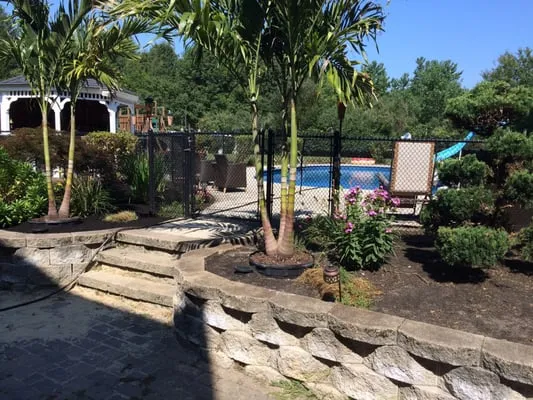
South East Property Management is a trusted property management company serving Duxbury, MA, with specialized expertise in landscaping solutions tailored to the local environment. We understand that D...
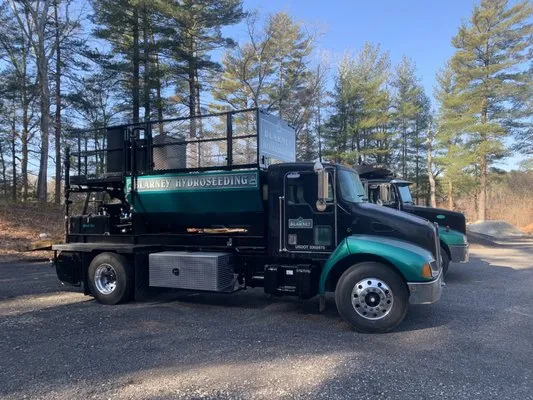
Blarney Hydroseeding
Blarney Hydroseeding is a Duxbury-based landscaping and excavation company serving the South Shore with reliable hydroseeding, trench digging, and excavation services. We specialize in professional hy...
FAQs
Our Snug Harbor yard has patchy grass and compacted soil. What's the underlying issue with Duxbury's older properties?
Properties built around 1959, like many in Snug Harbor, have 67-year-old soil systems. Duxbury's acidic sandy loam (pH 5.5-6.2) naturally compacts over decades, reducing pore space for root growth and water infiltration. This soil maturity requires core aeration every 2-3 years to relieve compaction. Incorporate 0.5 inches of compost annually to increase organic matter above 3%, which improves water retention in sandy soils while gradually neutralizing acidity through microbial activity.
What alternatives reduce mowing frequency and comply with upcoming gas equipment restrictions?
Replace 30-50% of traditional turf with native plant groupings featuring Bayberry, Beach Plum, and Butterfly Weed. These species require no mowing, minimal watering once established, and support local pollinators. Implement electric robotic mowers for remaining turf areas, operating within noise ordinance hours without emissions. This approach reduces weekly mowing needs May-September while preparing for municipal electric-only transition. Native plantings also increase biodiversity beyond 2026 standards and provide natural erosion control on coastal lots.
What permits and licenses are needed for regrading our 0.75-acre property in Snug Harbor?
Regrading over 500 square feet requires a Duxbury Planning & Building Department permit with engineered drainage plans. Massachusetts Division of Occupational Licensure mandates that contractors performing earthwork on lots this size hold Construction Supervisor Licenses with specialty endorsements. The permit process reviews soil disturbance within 100 feet of coastal resources and ensures compliance with state phosphorus management regulations. Professional licensing verifies competency in managing Duxbury's specific challenges: sandy soil stability, salt-water intrusion prevention, and proper slope calculations for the property's topography.
We've spotted invasive Japanese knotweed near our property line. How do we treat it without violating fertilizer regulations?
Japanese knotweed requires immediate treatment before April growth surge. Apply glyphosate selectively to foliage in late summer when plants translocate herbicides to rhizomes. This timing avoids Massachusetts' phosphorus ban blackout periods for lawn fertilizers. For smaller infestations, smother with heavy-duty landscape fabric for two growing seasons. Always dispose of plant material at designated facilities to prevent spread. Monitor for other coastal invasives like purple loosestrife, which competes with native Butterfly Weed and Little Bluestem stands.
How can we maintain Kentucky Bluegrass during Stage 1 water restrictions without overwatering?
Wi-Fi ET-based weather sensing irrigation calculates evapotranspiration rates specific to Duxbury's coastal microclimate. This system applies 1-1.5 inches weekly only when soil moisture drops below 50% field capacity, reducing water use 30-40% compared to timer-based systems. Program separate zones for Kentucky Bluegrass (requires 0.75-1 inch weekly) and fine fescue blends (tolerates 0.5 inches). The system automatically skips cycles during rainfall, staying within voluntary conservation limits while preventing drought stress in turfgrass.
Our yard floods during heavy rains despite sandy soil. What drainage solutions work with Duxbury's coastal conditions?
High permeability in acidic sandy loam allows rapid infiltration but creates salt-water intrusion pathways during coastal storms. Install French drains lined with non-woven geotextile to filter sediments while directing water away from foundations. Permeable granite pavers meet Duxbury Planning & Building Department runoff standards by allowing 5-8 inches per hour infiltration. Grade surfaces with 2% slope toward rain gardens planted with Coastal Clethra and Little Bluestem, which tolerate both periodic saturation and salt spray exposure.
Should we use permeable pavers or wood for a new patio that meets fire safety requirements?
Permeable granite pavers provide superior longevity (40+ years versus wood's 15-25 years) in Duxbury's coastal environment with salt spray exposure. They maintain defensible space required in Moderate Coastal WUI zones by not combusting during wildfire events. The ⅜-inch joint spacing filled with polymeric sand allows root growth for erosion control while preventing weed establishment. Unlike wood, granite doesn't require chemical treatments that could leach into sandy soils. This hardscape choice also complements the natural drainage patterns of 0.75-acre lots without creating runoff issues.
We need emergency storm cleanup before an HOA inspection tomorrow. What's your fastest response time to Snug Harbor?
Our electric maintenance fleet can dispatch from Duxbury Beach Park within 30 minutes during restricted hours (7:00 AM - 7:00 PM). The route follows Route 3 north to Exit 11, then local roads to Snug Harbor, typically 25-35 minutes during peak conditions. We prioritize electric equipment for noise compliance while maintaining rapid debris removal capabilities. This ensures HOA compliance without violating Duxbury's pending electric-only transition requirements for landscape maintenance.
