Top Landscaping Services in Douglas, MA, 01516 | Compare & Call
There are 160 landscaping companies server in Douglas MA
Nydam Landscaping has been a trusted name in Uxbridge, MA, and the Greater Blackstone Valley since 1980. Founded with just one truck and one employee, the company has grown into a team of 13 professio...
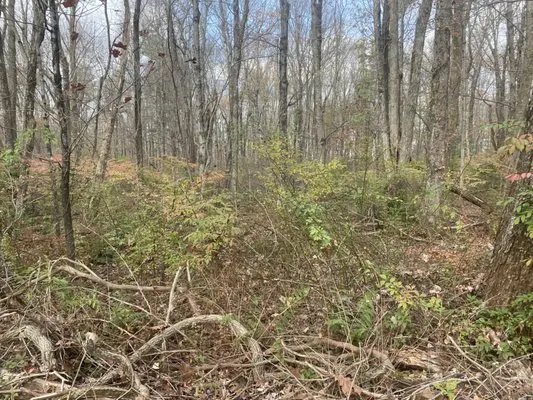
Ground Control Services is your trusted, local partner for tree and lawn care in Sutton, MA. We specialize in comprehensive solutions tailored to the specific needs of our community, from routine lawn...
Brentwood Landscaping & Design is a trusted, locally-owned landscaping company serving Uxbridge, MA, and the surrounding communities. We specialize in addressing the specific challenges that homeowner...
Harrison Landscape Design is a trusted local firm in Sutton, MA, specializing in comprehensive landscape architecture and design. We understand the common local challenges of poor lawn grading and spr...
GH & Landscaping is a trusted local business in Sutton, MA, specializing in landscaping, handyman services, and patio coverings. Many Sutton homes face common landscaping challenges like weed infestat...
Tebo & Sons Landscaping is a family-owned landscaping business serving Douglas, MA, and the surrounding areas. With deep roots in the local community, we specialize in addressing common landscaping ch...
For over a decade, B & R Tree Service has been the trusted local arborist for Uxbridge, MA homeowners. While our name highlights our core expertise in tree care, we understand that a beautiful, health...

Gingerplum Property & Garden Services is a woman-owned, family-run company serving Stoneham, MA, and the surrounding communities. With over 40 years of combined experience, we specialize in comprehens...
Partners Landscaping is a locally owned and operated landscaping company serving Douglas, MA, and the surrounding areas. We specialize in creating and maintaining beautiful, functional outdoor spaces ...
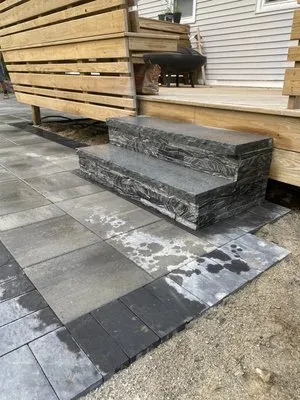
MP Stoneworks is a trusted masonry, concrete, and landscaping contractor serving Framingham, MA, and surrounding areas. Specializing in both construction and repair, we help homeowners transform and p...
Estimated Landscaping Service Costs in Douglas, MA
Questions and Answers
Can I maintain Kentucky Bluegrass and Fine Fescue turf during Stage 1 water restrictions?
Smart Wi-Fi soil moisture sensors enable precise irrigation management within voluntary conservation limits. These devices monitor soil tension at 6-inch depth, triggering watering only when readings exceed 40 centibars for sandy loam. This ET-based approach reduces water use 30-40% while maintaining turf health, with deep weekly cycles encouraging root development to 8 inches for better drought tolerance.
What solutions exist for seasonal water table issues in my glacial till soil?
High water tables in Douglas's glacial till require French drains with 4-inch perforated PVC at 24-inch depth, sloped 1% toward daylight or drywells. Permeable crushed stone bases beneath hardscapes increase infiltration rates from <0.5 to >5 inches per hour. Douglas Building Department requires engineered drainage plans for projects exceeding 500 square feet, with granite cobblestone offering 25-30% void space for runoff management.
Are granite cobblestones better than wood for long-term durability in our climate?
Granite cobblestones provide 50+ year service life versus wood's 10-15 years in Zone 6a freeze-thaw cycles. Their non-combustible nature supports Moderate Fire Wise ratings by creating defensible space within 30 feet of structures. Properly installed with 6-inch crushed stone base and polymeric sand joints, they resist frost heave while maintaining permeability rates exceeding Douglas's runoff standards.
Why does my Douglas Center lawn have such poor drainage and thin grass despite regular care?
Douglas Center properties average 88 years of soil development since 1938 construction, creating compacted acidic sandy loam with pH 5.5-6.2. Glacial till beneath exacerbates poor infiltration, while decades of foot traffic and conventional maintenance have depleted organic matter below 2%. Core aeration every 2-3 years with compost amendments at 0.25 cubic yards per 1000 square feet addresses compaction while raising pH toward optimal 6.5 for turf establishment.
What permits and licensing are required for regrading my 0.75-acre property?
Grading exceeding 100 cubic yards of earth movement requires Douglas Building Department review under Massachusetts Wetlands Protection Act. Licensed Landscape Architects must seal plans for slopes over 15% or within 100 feet of resource areas. The Massachusetts Board of Registration verifies contractors carry proper bonding for projects affecting drainage patterns on lots over 0.5 acres, with inspections at subgrade and final grade stages.
How quickly can you respond to emergency storm damage cleanup for HOA compliance?
Emergency crews dispatch from Douglas State Forest via Route 16, maintaining 45-60 minute response during peak conditions. We prioritize safety assessments before debris removal, coordinating with Douglas Building Department for permit waivers on fallen trees exceeding 6-inch diameter. Electric-powered equipment operates within 8pm-7am noise restrictions, with full site restoration typically completed within 48 hours of initial assessment.
How should I treat invasive Japanese knotweed without violating fertilizer regulations?
Japanese knotweed requires glyphosate application during late summer translocation, avoiding Massachusetts Plant Nutrient Regulation blackout dates (typically December-March). Cut stems at 6-inch height, then apply 2% solution to fresh cuts within 15 minutes. Monitor for regrowth over 3 growing seasons, replacing with Joe-Pye Weed or New England Aster to prevent reinfestation while maintaining soil health.
What alternatives reduce mowing frequency while complying with noise ordinances?
Transitioning 30-50% of turf to native plantings like Eastern Redbud and New England Aster cuts maintenance by 60%. These species require no gas-powered equipment after establishment, aligning with electric fleet transitions and 8pm-7am noise restrictions. Highbush Blueberry and Joe-Pye Weed support local pollinators while thriving in acidic sandy loam without supplemental irrigation beyond establishment year.
