Top Landscaping Services in Danvers, MA, 01923 | Compare & Call
There are 189 landscaping companies server in Danvers MA
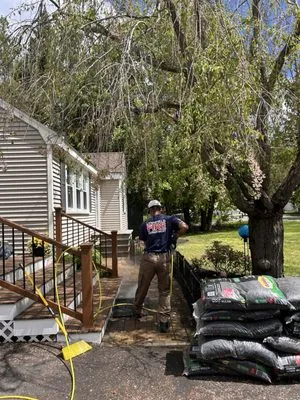
Prime Property Services in Salem, MA, is a licensed home improvement contractor with over 7 years of experience in landscaping, tiling, and general contracting. Founded by Mike, who brings extensive e...
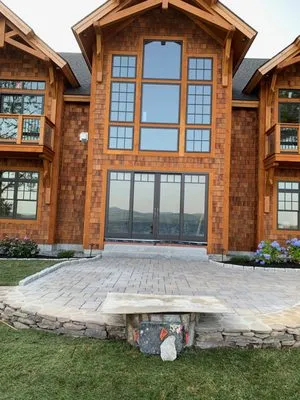
V&P Landscaping is a trusted Haverhill-based company with years of expertise in comprehensive landscaping, irrigation, and masonry services. Our team handles everything from earthmoving and regrading ...
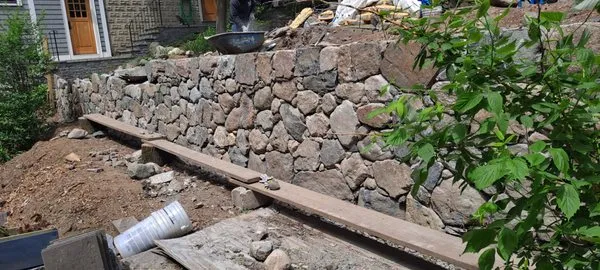
As the owner of F.A.L. Construction & Landscaping, I’ve been serving Lynn and the surrounding North Shore for 16 years, specializing in concrete masonry and landscaping. We build our business on quali...
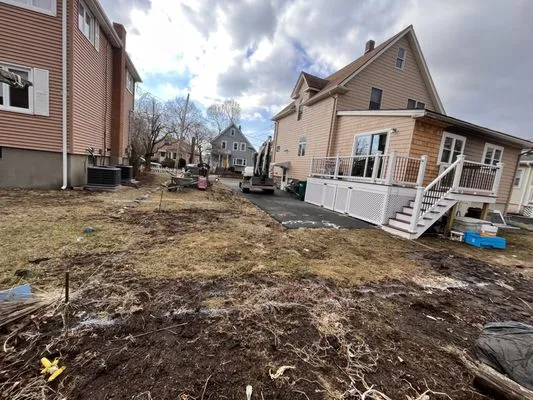
EAC Masonry and Landscaping is a trusted local contractor in Lynn, MA, specializing in masonry, concrete, landscaping, and excavation services. We help homeowners and businesses transform their outdoo...
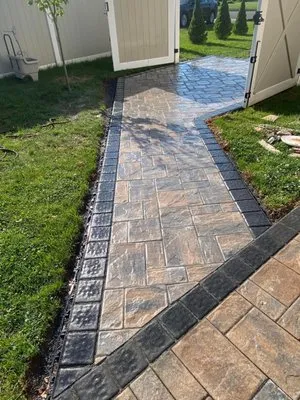
PCW Landscape is a trusted, full-service landscaping and hardscaping contractor serving Randolph, MA, and the surrounding South Shore. We specialize in transforming and maintaining outdoor spaces, wit...
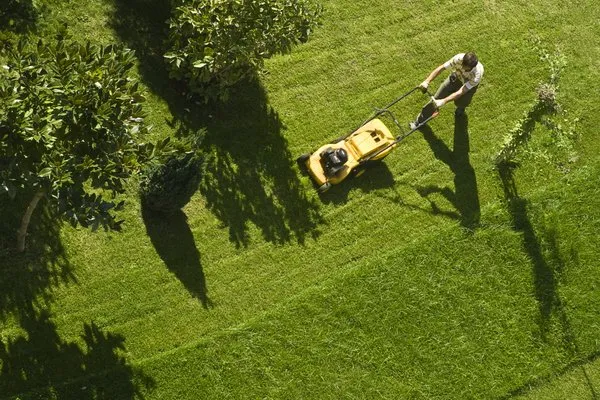
Mowsurance provides reliable lawn care for Watertown, MA residents. We move beyond simple mowing with smart, growth-based scheduling to ensure your lawn gets the right attention at the right time. Our...
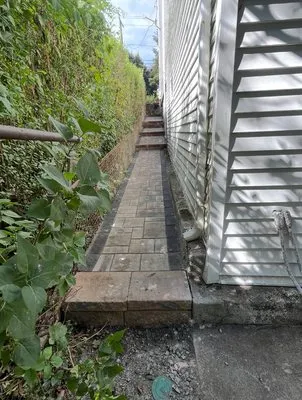
E&M Landscaping & Construction provides comprehensive outdoor solutions for homeowners in Lynn, MA. We specialize in transforming properties with professional landscaping, hardscaping, and constructio...
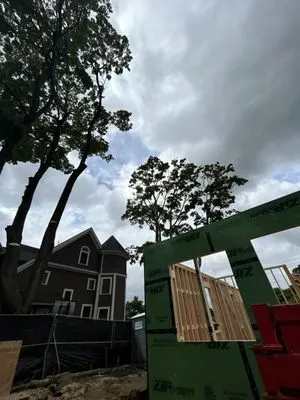
Be Green Landscaping services
Be Green Landscaping is a locally owned and operated business serving Lynn, MA, specializing in tree services, landscaping, and masonry/concrete work. Founded by Juan, the company focuses on providing...
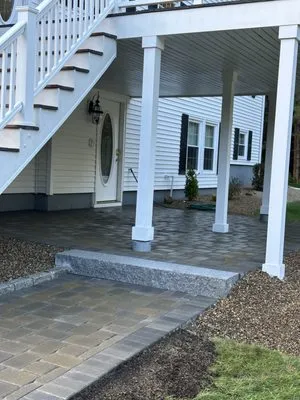
Gilmar & Son is a family-owned masonry and landscaping business serving Lynn, Massachusetts, with deep roots in the community. Founded in 2015 by Gilmar, who grew up helping relatives with constructio...
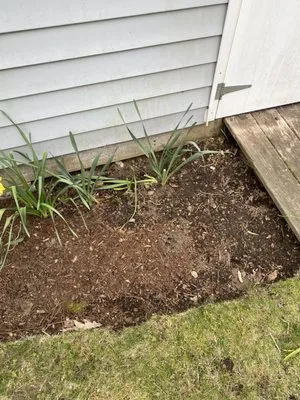
For 15 years, Jeff's Landscape has been the trusted, licensed, and insured landscaping partner for homeowners in Wakefield, MA, and the surrounding communities of Melrose, Reading, Stoneham, and Lynnf...
Estimated Landscaping Service Costs in Danvers, MA
FAQs
How do I maintain my lawn during Danvers' Stage 1 water restrictions?
Smart Wi-Fi ET-based controllers adjust irrigation schedules using real-time evapotranspiration data from local weather stations. These systems reduce water use by 15-25% compared to traditional timers while preserving turf health. Programming follows the 1-inch weekly guideline for Kentucky Bluegrass, concentrating watering during early morning hours to minimize evaporation. This approach maintains municipal compliance while preventing drought stress in your grass blend.
How do I control invasive species without violating fertilizer regulations?
Japanese knotweed and garlic mustard require mechanical removal before seed set in early summer, avoiding the phosphorus-free fertilizer blackout periods. Targeted glyphosate applications in fall, when natives are dormant, minimize collateral damage. Always check Massachusetts Division of Occupational Licensure requirements for commercial applicators. Soil testing every 3 years guides amendment needs without exceeding the 0.9 lbs/1000 ft² nitrogen limit for non-agricultural use.
What permits and licenses are needed for grading my 0.35-acre lot?
The Danvers Planning Board requires grading permits for any cut/fill exceeding 50 cubic yards on 0.35-acre properties. Massachusetts Division of Occupational Licensure mandates a Construction Supervisor License for projects affecting drainage patterns or structural support. Erosion control plans must be submitted 30 days before work begins. These regulations ensure compliance with the Massachusetts Wetlands Protection Act and local zoning bylaws.
Are granite pavers better than wood for my Danvers patio?
Granite pavers and fieldstone offer 50+ year lifespans versus wood's 10-15 years in New England's freeze-thaw cycles. Their non-combustible nature supports the Low Fire Wise rating in Danvers' urban-suburban interface by creating defensible space. Proper installation with 4-6 inches of compacted base material prevents heaving. The thermal mass properties moderate temperature extremes around your home's foundation.
What solutions address seasonal flooding in my Danvers yard?
The moderate runoff and seasonal high water table in acidic sandy loam require graded swales directing water away from foundations. Permeable granite paver installations meet Danvers Planning Board runoff standards by allowing 3-5 inches per hour infiltration. French drains with clean stone aggregate provide subsurface relief in persistently wet areas. These systems work together to manage the 35-40 inches of annual precipitation typical in USDA Zone 6b.
How quickly can you respond to emergency storm damage for HOA compliance in Danvers?
Emergency cleanup crews dispatch from Danvers Town Hall with a 20-30 minute peak response time via I-95. This routing accounts for traffic patterns while ensuring compliance with Danvers' 8 PM to 7 AM noise ordinance restrictions. Crews prioritize safety hazards like downed limbs before addressing aesthetic concerns. The response protocol includes documentation for insurance claims and HOA reporting requirements.
Why does my Danvers Center lawn have poor drainage and thin grass despite regular care?
Properties in Danvers Center built around 1963 have 63-year-old soil profiles that have become compacted over decades. The acidic sandy loam (pH 5.5-6.5) common in this area loses permeability as organic matter decomposes without replacement. Core aeration every 2-3 years combined with compost amendments at 0.25 inches annually addresses this compaction while maintaining proper soil structure. This approach improves water infiltration and root development for your Kentucky Bluegrass/Fine Fescue blend.
What are low-maintenance alternatives to my high-water turf grass?
Replacing turf with native plantings like Eastern Redbud, Highbush Blueberry, New England Aster, and Joe Pye Weed reduces maintenance by 60-70%. These species require no irrigation once established and support local pollinator populations. The transition aligns with evolving noise ordinances that may restrict gas-powered equipment. A phased approach over 2-3 seasons allows soil microbiome adjustment while maintaining landscape functionality.
