Top Landscaping Services in Clinton, MA, 01510 | Compare & Call
There are 189 landscaping companies server in Clinton MA

Soper Property Care is a full-service landscaping company serving East Brookfield, MA, and the surrounding areas. We specialize in creating and maintaining beautiful, healthy outdoor spaces. From land...

J&D Services is your trusted, local partner in Southbridge, MA, for comprehensive property care year-round. We specialize in professional lawn care and reliable snow removal services to keep your prop...
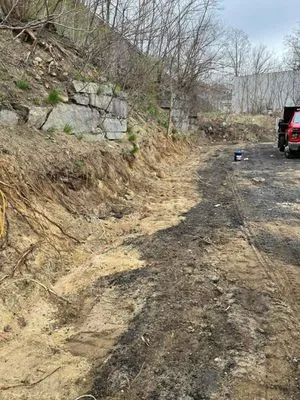
C&A Rod Construction is your trusted, full-service partner for excavation, construction, and landscaping in Gardner, MA. We specialize in tackling the common local challenges homeowners face, such as ...

Dracut Landscaping has been proudly serving Middlesex County for over 30 years, providing comprehensive commercial and residential landscaping solutions. Our weekly maintenance includes lawn cutting, ...
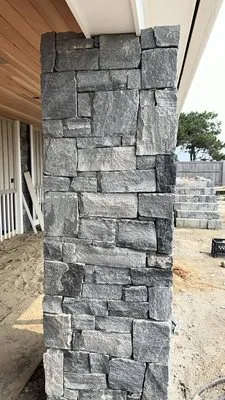
D&G Masonry and Stoneworks is a trusted masonry and concrete contractor based in Lowell, MA, specializing in fireplace services, landscaping, and durable masonry solutions. With years of experience se...

Mike's Masonry and Landscaping is a trusted, full-service contractor serving Chelmsford, MA, specializing in transforming outdoor spaces with durable, beautiful hardscaping and landscaping solutions. ...

S&S Property Care is your local, versatile partner for maintaining and improving your Boxborough property. As a smaller operation with a dedicated 2-5 person crew, we offer the personalized attention ...
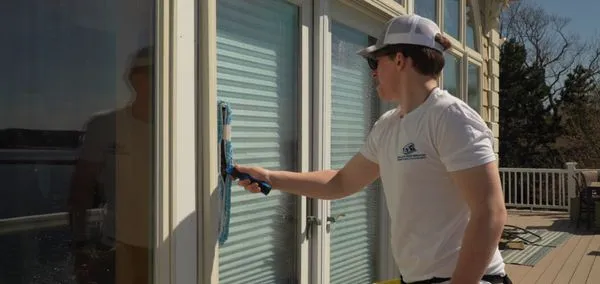
Wallace Home Services is a trusted provider of exterior home services in Gloucester, MA, dedicated to keeping your property well-maintained year-round. We specialize in residential and commercial wind...

For over 13 years, Wilson & Wilson has been a trusted partner for residential and commercial landscaping, snow removal, and irrigation needs in the Hudson, Needham, and Dover areas. We provide a compr...
Matthes & Sons Tree And Landscape Services
Matthes & Sons Tree And Landscape Services is a family-owned, full-service outdoor contractor serving Townsend, MA, and the surrounding region. We specialize in transforming properties with comprehens...
Estimated Landscaping Service Costs in Clinton, MA
Common Questions
Should I choose granite or wood for durable outdoor surfaces?
Granite pavers maintain structural integrity for 50+ years versus wood's 15-year lifespan in Clinton's freeze-thaw cycles. Non-combustible mineral surfaces support Low fire-wise ratings by creating defensible space around structures. Crushed stone pathways provide permeability rates exceeding wood mulch by 300%. These materials require no chemical treatments that could leach into the acidic sandy loam substrate.
How do I control invasive plants without chemical fertilizers?
Japanese knotweed and garlic mustard pose primary risks in Clinton's disturbed soils. Manual removal during early spring dormancy prevents seed set without phosphorus-based herbicides. Solarization with clear polyethylene raises soil temperatures to 120°F, eliminating root fragments. These methods comply with statewide phosphorus bans while restoring conditions for Joe Pye Weed and other natives to outcompete invaders.
What prevents frost heave damage to my driveway and patio?
High seasonal water tables in Clinton's acidic sandy loam require 12-inch gravel bases under hardscapes. Permeable crushed stone installations achieve 8-inch per hour infiltration rates, meeting Planning Department runoff standards. Granite paver systems with 0.25-inch joint spacing allow subsurface drainage while resisting frost heave pressures. These designs manage the 36-inch frost depth characteristic of Zone 6a winters.
How quickly can you respond to storm damage for HOA compliance?
Emergency cleanup crews dispatch from Clinton Town Hall using I-495 access points. During peak conditions, response time reaches 20-30 minutes for tree limb removal and debris clearing. The route prioritizes major arteries to bypass neighborhood congestion, ensuring compliance with 24-hour cleanup windows. Electric chainsaws operate within the 7:00 AM to 8:00 PM noise ordinance while processing fallen material.
Can I maintain Kentucky Bluegrass during Stage 1 water restrictions?
Smart Wi-Fi ET-based irrigation calculates evapotranspiration rates specific to Clinton's microclimate. Systems deliver 0.75 inches weekly during peak summer, matching Kentucky Bluegrass's 1-inch root zone requirements. Programming avoids midday watering when evaporation losses reach 30%. This technology reduces municipal water consumption by 40% while preserving turf density through controlled moisture cycling.
What permits and licenses does grading my 0.22-acre lot require?
The Clinton Planning & Economic Development Department issues grading permits for soil movement exceeding 50 cubic yards. Massachusetts requires Landscape Architect registration for designs altering more than 10% of a property's topography. On 0.22-acre lots, this typically involves professional stamping for drainage plans affecting neighboring parcels. Contractors must demonstrate erosion control measures that prevent sedimentation beyond property lines.
What replaces high-maintenance turf as noise ordinances tighten?
Transitioning to Eastern Redbud and Little Bluestem communities reduces mowing frequency from weekly to seasonal. Native plantings require no gas-powered equipment, aligning with municipal electric equipment transitions. Highbush Blueberry and New England Aster establish self-sustaining ecosystems that support local pollinators. This approach cuts maintenance hours by 70% while enhancing biodiversity beyond 2026 standards.
Why does my Clinton Center lawn have drainage issues and poor grass growth?
Clinton Center properties built around 1942 have 84-year-old soil systems. Acidic sandy loam soils in this neighborhood have become compacted over decades, reducing permeability to 0.5 inches per hour. Core aeration with 3-inch spacing introduces oxygen channels, while adding 0.25 cubic yards of compost per 1,000 square feet raises pH toward the optimal 6.5 for turf. These amendments address the soil's natural tendency toward compaction in established residential areas.
