Top Landscaping Services in Chilmark, MA, 02535 | Compare & Call
There are 32 landscaping companies server in Chilmark MA
JR Garden & Lawn is a Vineyard Haven-based landscaping company serving Martha's Vineyard with reliable gardening, landscape design, maintenance, and snow removal services. Founded with a commitment to...
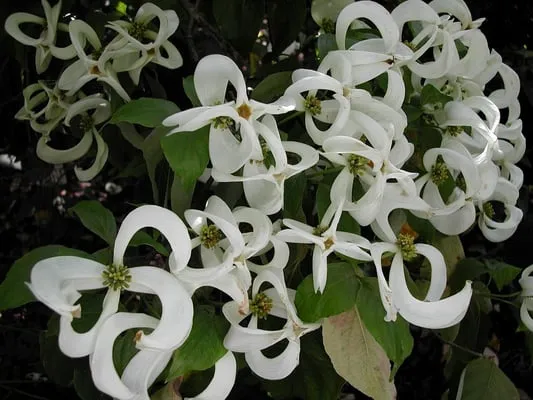
Gayle Gardens is a Chilmark-based landscaping company founded by owner and landscape designer Tara Gayle, who brings eight years of experience from New York and Martha's Vineyard. Specializing in gard...
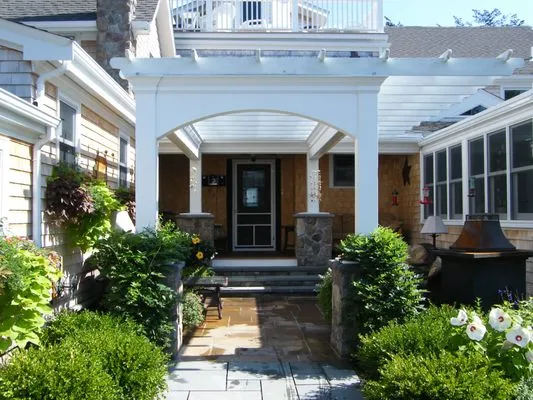
Angela Rose Gardens is a trusted landscaping company serving Falmouth, MA, specializing in comprehensive outdoor solutions. We offer driveway, patio, walkway, and retaining wall construction, along wi...
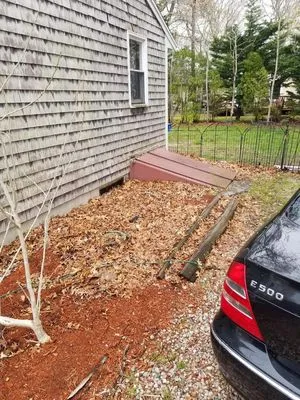
Top to Bottom Tree and Landscaping is a full-service outdoor contractor serving Bourne and surrounding areas. We specialize in comprehensive tree care, including removal and insect management, and off...

Country Club Landscaping & Paving is a full-service masonry, concrete, and landscaping company serving Seekonk, MA, and the surrounding areas. We specialize in transforming outdoor spaces with expert ...

Golden Gates Landscaping is a full-service landscaping and irrigation company serving Hyannis, MA, and the surrounding Cape Cod area. We specialize in addressing the unique challenges of the local env...
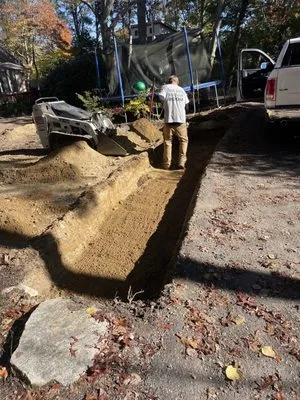
Driftwood Tree & Land Services is a Vineyard Haven-based family business with deep roots in the community, spanning five generations on Martha's Vineyard. We operate with integrity and a commitment to...

Doctor's Landscape, founded by Rohan Doctor, brings nearly a decade of passion and expertise to landscaping in Vineyard Haven, MA. Rohan has perfected his craft over nine years, transforming client vi...
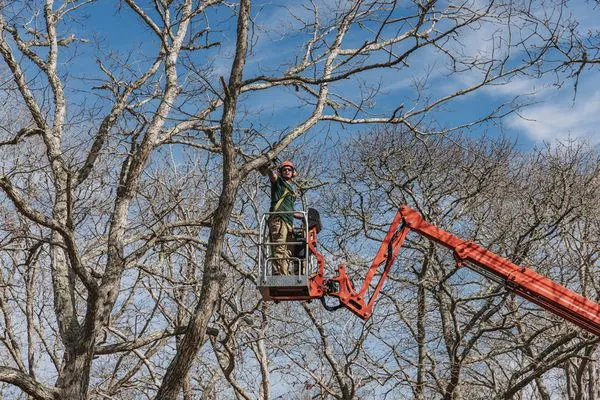
Bilzerian Tree & Land Services
Bilzerian Tree & Land Services is a full-service landscaping and tree care company serving Vineyard Haven, MA, and the surrounding Martha's Vineyard area. We specialize in comprehensive solutions incl...
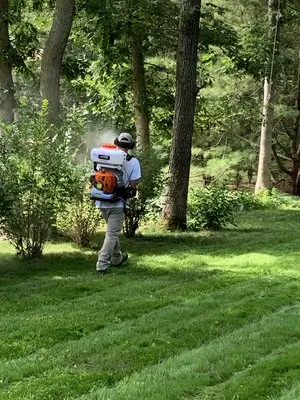
Greenlands Property Services, located in Vineyard Haven, MA, specializes in creating and maintaining beautiful, healthy outdoor spaces with an eco-conscious approach. We provide a comprehensive range ...
Estimated Landscaping Service Costs in Chilmark, MA
Frequently Asked Questions
We need emergency storm debris cleanup to meet HOA compliance deadlines. What's your fastest response time to Chilmark?
Emergency cleanup crews dispatch from Chilmark Town Hall via State Road, with a 45-60 minute arrival during peak conditions. This routing accounts for coastal access points and prioritizes properties with safety hazards. We coordinate with the Chilmark Planning Board for expedited debris removal permits when necessary. All equipment operates within the 7AM-7PM noise ordinance window using electric chippers where available.
We want to regrade part of our 2.5-acre lot. What permits and professional requirements apply?
Grading work on 2.5-acre lots requires a permit from the Chilmark Planning Board, with specific erosion control plans for sandy loam soils. Contractors must hold appropriate licensing through the Massachusetts Division of Professional Licensure, particularly for earth moving exceeding 50 cubic yards. These regulations ensure proper drainage management and prevent sedimentation of nearby coastal areas. Professional oversight is crucial given the property's scale and soil permeability challenges.
We want to reduce mowing and gas equipment noise. What native plants work best here?
Transitioning turf areas to native plantings like beach plum, bayberry, and little bluestem significantly reduces maintenance needs. These species require no irrigation once established and support local pollinators. Butterfly weed and Virginia rose add seasonal interest while thriving in acidic sandy loam. This approach aligns with voluntary electric equipment transitions and reduces bi-weekly mowing to seasonal maintenance.
Our 1980s Chilmark Center property has patchy grass despite regular care. Could the soil itself be the issue?
Properties built around 1982 in Chilmark Center have approximately 44 years of soil development on acidic sandy loam. This soil type naturally leaches nutrients rapidly, especially in areas with established turf. Core aeration every 2-3 years is essential to combat compaction and improve water infiltration. Incorporating 1-2 inches of composted organic matter annually addresses the pH 5.5-6.2 acidity while building stable humus. Without these amendments, fine fescue or Kentucky bluegrass will struggle with nutrient uptake and drought stress.
How can we maintain healthy turf during Stage 1 water restrictions without overwatering?
Smart controllers paired with soil moisture sensors optimize irrigation for Chilmark's voluntary conservation stage. These systems use evapotranspiration data to deliver precise water volumes only when soil moisture drops below optimal levels. For fine fescue or Kentucky bluegrass, this typically means 0.75-1 inch weekly during peak summer, adjusted for sandy loam's rapid leaching. Proper programming prevents runoff while maintaining turf health within municipal limits.
We're considering a patio but worry about maintenance and fire safety. How does local fieldstone compare to wood?
Local fieldstone offers superior longevity with minimal maintenance compared to wood decking in coastal environments. Its non-combustible nature supports the Moderate Coastal WUI Zone fire-wise rating by creating defensible space. Permeable installation methods using crushed stone bases meet runoff standards while preventing erosion. Fieldstone's thermal mass also moderates temperature extremes, reducing heat island effects common with synthetic materials.
Water pools briefly then disappears quickly on our property. Is this normal for Chilmark soils?
Rapid leaching is characteristic of acidic sandy loam with high permeability. While water disappears quickly, this indicates poor water retention rather than effective drainage. Installing permeable crushed stone pathways or local fieldstone dry creek beds redirects surface flow while allowing infiltration. The Chilmark Planning Board requires these permeable solutions to manage runoff and prevent erosion on sloped lots.
We've spotted invasive Japanese knotweed near our property line. How should we handle it safely?
Japanese knotweed requires immediate containment before it spreads through sandy loam. Manual removal with root excavation is most effective for small infestations, followed by solarization of soil. Chemical treatments must comply with Massachusetts Plant Nutrient Regulation (330 CMR 31.00), avoiding application during blackout dates near waterways. Regular monitoring prevents reestablishment, especially along property boundaries where invasives commonly enter.
