Top Landscaping Services in Chatham, MA, 02633 | Compare & Call

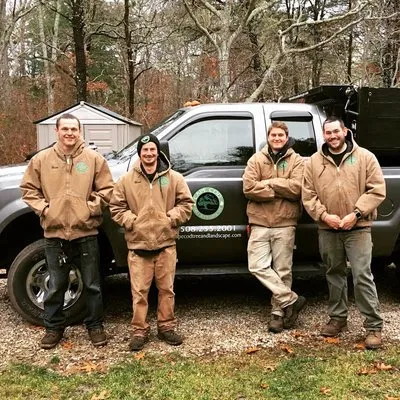
Cape Cod Tree & Landscape
For over a decade, Cape Cod Tree & Landscape has been the trusted local choice for comprehensive outdoor care in Chatham and the Lower Cape. Owner Chris Smith, a graduate of Cape Cod Community College...

Founded in 2010 and proudly serving Chatham and the surrounding Cape Cod communities like Orleans, Brewster, and Harwich since 2012, A&M Landscaping is a locally-owned and licensed operation. Our team...
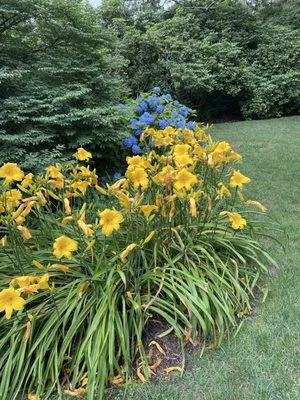
MA Landscape and Home Services is a trusted landscaping company serving Chatham, Massachusetts, dedicated to enhancing outdoor spaces with reliable, professional care. Specializing in comprehensive se...
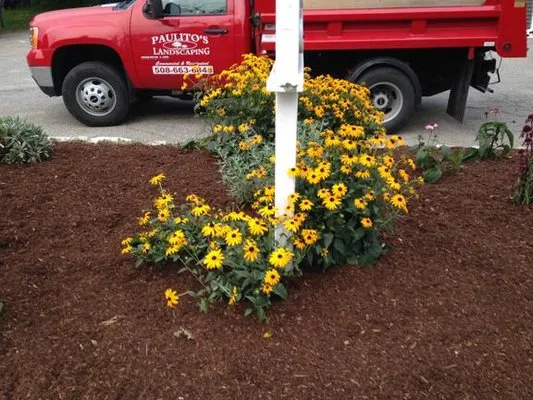
Paulito's Landscaping is a full-service landscape company serving Chatham, MA, and the surrounding area. We handle everything from residential and commercial projects to irrigation systems and hardsca...
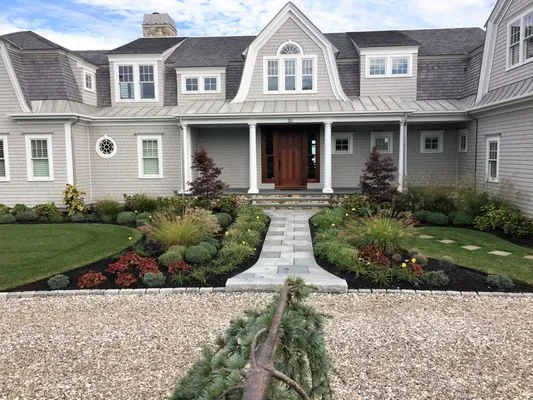
Sorbello Landscaping has been a trusted name on Cape Cod since 2006, dedicated to enhancing the natural beauty and functionality of residential properties from New Seabury to Truro. We provide a compl...

Nickerson Tree and Landscape is a trusted, locally-owned business serving the Chatham, MA community with expert landscaping and tree care. We specialize in resolving the Cape's common lawn challenges,...
Cape Cutters Landscaping is a trusted, locally-owned landscaping company serving Chatham, MA, and the surrounding Cape Cod area. We specialize in addressing common local landscaping challenges, partic...
McDonald Landscaping Group
McDonald Landscaping Group is a locally owned and licensed landscaping company serving Chatham and the surrounding Cape Cod area. With over seven years of hands-on experience, our team specializes in ...
Since 2004, Seaview Properties has been a trusted general contractor and landscaping partner for homeowners across Cape Cod, from Dennis to Eastham. Based in Chatham, MA, we specialize in bringing coa...
Morristown Landscape is a trusted landscaping company serving Chatham, MA, and the surrounding areas. We specialize in addressing common local lawn challenges, particularly persistent weed infestation...
Frequently Asked Questions
How can we maintain our fine fescue and Kentucky bluegrass blend during Stage 2 watering restrictions?
Wi-Fi ET-based weather sensing controllers adjust irrigation schedules daily using evapotranspiration data. These systems reduce water use by 20-30% while preserving turf health. Program deep, infrequent watering cycles (0.5-0.75 inches weekly) during early morning hours when permitted. Monitor soil moisture at 4-6 inch depth to prevent overwatering in Chatham's permeable sandy loam.
Should we use wood or stone for our new patio considering Chatham's coastal fire risks?
Permeable granite pavers outperform wood in longevity and fire safety. Granite withstands coastal salt spray without deterioration, while wood requires annual treatment. For Moderate Fire Wise rated areas, maintain 5-10 feet of defensible space around structures using non-combustible materials. Granite's thermal mass also moderates temperature extremes better than wood in Chatham's variable coastal climate.
Our Chatham Center yard seems to struggle with plant growth despite regular care. Could the soil be depleted?
Chatham Center properties built around 1979 have approximately 47 years of soil development on acidic sandy loam. This soil type naturally leaches nutrients rapidly due to high permeability. Core aeration every 2-3 years is essential to combat compaction from decades of foot traffic. Incorporate 2-3 inches of composted organic matter annually to improve water retention and microbial activity in this pH 5.5-6.0 environment.
What permits and licenses are needed to regrade our 0.45-acre lot for better drainage?
Grading projects altering more than 1,000 square feet require a permit from Chatham Community Development Department. On 0.45-acre lots, significant earth moving must be designed by a Massachusetts Board of Registered Landscape Architect to prevent runoff violations. Contractors need appropriate licensing for operating heavy equipment and must follow Massachusetts Plant Nutrient Management Regulations regarding soil disturbance near wetlands.
We need emergency storm cleanup to meet HOA compliance deadlines. What's the fastest response time?
Emergency cleanup crews dispatch from the Chatham Lighthouse area via Route 28. During peak conditions, expect 45-60 minute arrival times with electric equipment to comply with 8:00 AM-6:00 PM noise restrictions. Crews prioritize debris removal from driveways and walkways first, then address fallen branches threatening structures. Documentation for HOA compliance is provided upon completion.
We want to reduce maintenance while preparing for stricter noise ordinances. What native plants work here?
Replace high-maintenance turf areas with beach plum, bayberry, and little bluestem groupings. These natives require no mowing, minimal watering once established, and support local pollinators. Butterfly milkweed adds seasonal color while providing habitat for monarch caterpillars. Electric maintenance equipment operates quietly within noise ordinance hours while eliminating gas emissions from traditional blowers.
We've spotted invasive Japanese knotweed near our property line. How do we treat it safely?
Japanese knotweed requires immediate containment before it spreads through sandy loam. Apply glyphosate-based herbicide directly to cut stems in late summer, avoiding Massachusetts phosphorus ban blackout dates (typically April-June). Never compost infected material—bag and dispose off-site. Monitor for regrowth for 3-5 years, as knotweed rhizomes can persist deep in permeable soils.
Our yard floods briefly then dries out completely. What drainage solution works with Chatham's soil?
Acidic sandy loam exhibits rapid leaching where water passes through quickly but can cause surface runoff during heavy rains. Install permeable granite pavers with ¼-inch joints filled with angular gravel to meet Chatham Community Development Department runoff standards. Create gentle swales (1-2% slope) directing water toward rain gardens planted with coastal clethra, which tolerate both wet and dry conditions.
