Top Landscaping Services in Charlton, MA, 01507 | Compare & Call

There are 134 landscaping companies server in Charlton MA
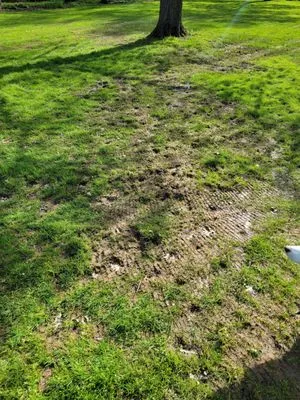
TLC The Lawn Company has been a trusted family-owned lawn care provider in Shrewsbury, MA, and throughout New England since 1985. With decades of experience, we specialize in helping homeowners cultiv...
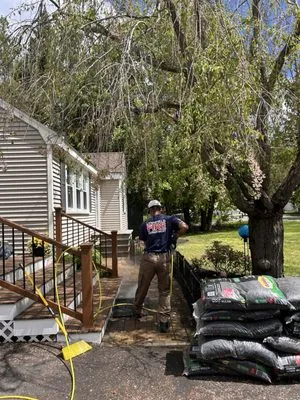
Prime Property Services in Salem, MA, is a licensed home improvement contractor with over 7 years of experience in landscaping, tiling, and general contracting. Founded by Mike, who brings extensive e...
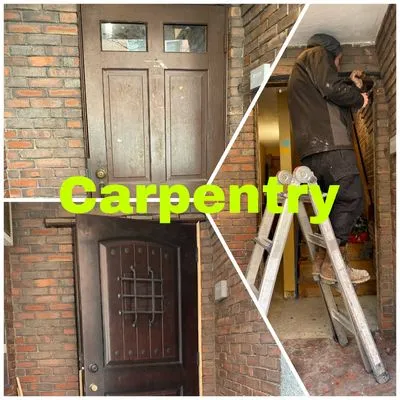
For over a decade, Marckinis has served Everett and the surrounding communities as a trusted, full-service contractor. We are passionate about helping local homeowners improve and maintain their prope...
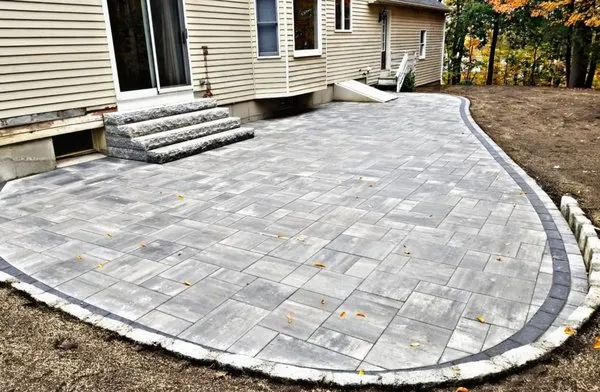
Campos Brothers Landscaping
Campos Brothers Landscaping is a locally owned and operated landscape construction company serving Shrewsbury and the surrounding areas since 2006. Founded by Jacob Campos, the team consists of regist...

Navian Property Services is your Worcester-based partner for year-round property maintenance, owned and operated locally by Edgar. We provide reliable junk removal, lawn care, and snow removal service...
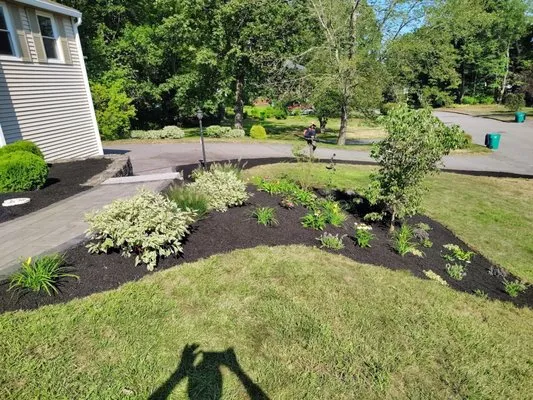
NXT Landscaping is a licensed and insured, family-owned business serving Fitchburg and Central Massachusetts with over 15 years of experience. We specialize in comprehensive landscaping and tree care,...

For over two decades, Suburban Landscaping Inc. has been a trusted resource for Dudley, MA, homeowners and businesses, bringing over 25 years of hands-on experience to every project. We focus on creat...
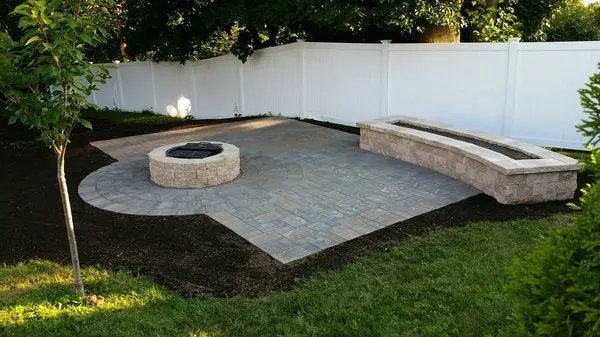
Dimitri Saffron founded D.S. Landscapes in 2008, building the Worcester-based company from the ground up. Starting with a snow blower in his parents' neighborhood, Dimitri's determination and hands-on...
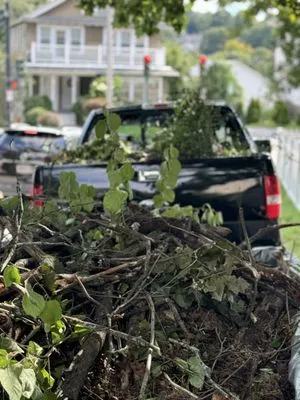
Mr All Purpose is a trusted landscaping and handyman service based in Cherry Valley, MA, dedicated to solving common local yard challenges. Many homes in the area face issues like poor yard drainage a...
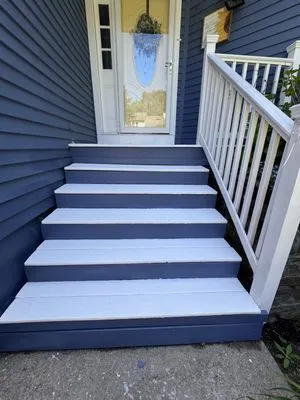
His and Hers Home Improvement Services is a locally owned, family-operated husband and wife team in Worcester, MA. We combine our skills to offer a full range of home and yard care, from handyman repa...
Estimated Landscaping Service Costs in Charlton, MA
Common Questions
What solves persistent wet spots and frost heave in my yard?
High seasonal water tables in acidic sandy loam require subsurface drainage solutions. Installing 4-inch perforated pipes in gravel-filled trenches at 1% slope redirects groundwater away from foundations. Granite pavers with crushed stone bases provide permeable surfaces that meet Charlton Planning Board runoff standards. These systems reduce frost heave risk by stabilizing soil temperature fluctuations through improved drainage capacity.
Are granite pavers better than wood for Charlton's climate?
Granite pavers with crushed stone bases outperform wood in longevity and fire resistance. Their 50+ year lifespan contrasts with wood's 10-15 year replacement cycle in New England's freeze-thaw cycles. Granite's non-combustible nature supports defensible space requirements in moderate fire risk zones. Properly installed with 6-inch compacted stone bases, they resist frost heave while providing stable surfaces that require minimal maintenance beyond occasional joint sand replenishment.
How do I control invasive species without violating fertilizer rules?
Japanese knotweed and garlic mustard pose significant threats in Charlton's moderate Wildland-Urban Interface. Manual removal during early growth stages prevents seed dispersal. For established infestations, targeted glyphosate applications in fall minimize drift to non-target species. These treatments avoid Massachusetts' phosphorus ban since they address plant physiology rather than soil nutrition. Always coordinate with licensed applicators to ensure proper timing and concentration.
Can I maintain healthy turf under Stage 1 water restrictions?
Smart Wi-Fi soil moisture sensor controllers optimize Kentucky bluegrass and fine fescue mixes within voluntary conservation limits. These systems use evapotranspiration (ET) data to deliver 1-1.5 inches weekly only when soil moisture drops below threshold. Programming deep, infrequent watering cycles between 4-8 AM minimizes evaporation loss. This approach maintains 85-90% turf viability while reducing municipal water use by 30-40%.
Should I replace high-maintenance grass with native plants?
Transitioning turf areas to highbush blueberry, sweet pepperbush, butterfly weed, and little bluestem reduces maintenance frequency by 60-70%. These natives thrive in Charlton's acidic sandy loam without supplemental fertilization. Electric maintenance equipment for native beds operates within noise ordinance hours while eliminating emissions. This approach creates pollinator habitat while reducing water requirements to natural precipitation levels.
How quickly can you respond to storm damage for HOA compliance?
Emergency cleanup crews dispatch from the Heritage School area, accessing I-90 for efficient routing throughout Charlton. During peak conditions, arrival typically occurs within 45-60 minutes. Crews prioritize safety assessments before debris removal, focusing on downed limbs threatening structures or blocking access. Electric equipment operation complies with daytime noise ordinances while providing immediate hazard mitigation.
What permits and licenses are needed for grading my 0.75-acre lot?
Grading projects exceeding 100 cubic yards of earth movement require Charlton Planning Board review for erosion control compliance. Contractors must hold Massachusetts Division of Professional Licensure certification for landscaping construction. This ensures proper stormwater management planning and adherence to grade change limitations. On lots this size, professional oversight prevents downstream sedimentation issues and maintains natural drainage patterns critical in areas with high water tables.
Why does my Charlton Center lawn struggle despite regular care?
Charlton Center properties built around 1985 have 41-year-old soil profiles. Acidic sandy loam (pH 5.5-6.2) common in this neighborhood becomes compacted over decades, reducing permeability and root penetration. Core aeration every 2-3 years is essential to improve oxygen exchange and water infiltration. Incorporating 0.5 inches of compost annually addresses organic matter depletion while maintaining appropriate acidity for native species.
