Top Landscaping Services in Cambridge, MA, 02138 | Compare & Call
There are 211 landscaping companies server in Cambridge MA
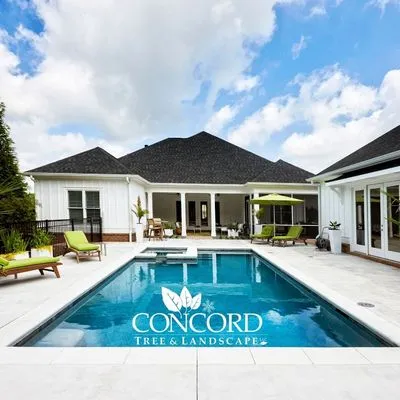
Concord Tree and Landscape
Concord Tree and Landscape is a family-owned landscaping company based in Acton, MA, with 15 years of experience serving residential and commercial clients throughout Massachusetts. Starting from humb...
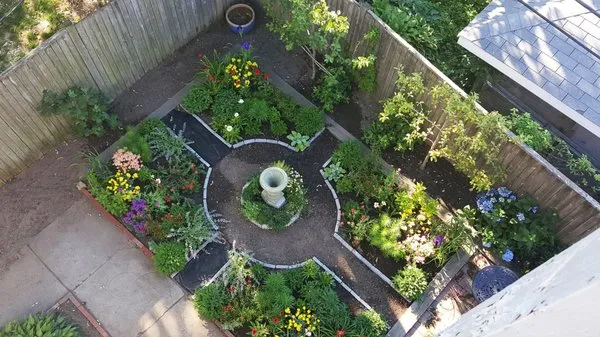
Gardens By Suniti is a full-service landscaping company serving Belmont, MA, specializing in comprehensive garden and landscape solutions. We address common local issues like dying shrubs and irrigati...
Padilla Landscaping is your trusted local lawn care expert in Waltham, MA, dedicated to maintaining the beauty and health of your property. We understand the common challenges Waltham homeowners face,...
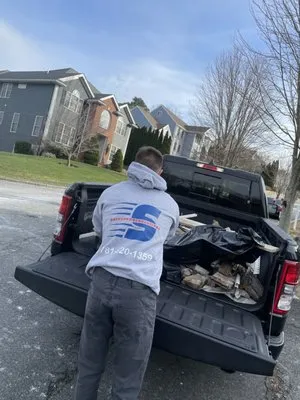
Save The Day Solutions is a Boston-based property management and disposal service founded by a dedicated team committed to making a positive impact in the community. As a locally owned and operated bu...

Garrick-Santo Landscape Co.
Garrick-Santo Landscape Co. has been serving Malden and surrounding communities since 1981, growing from a single mower operation to a comprehensive landscape service provider. The company was formed ...
Jason Albano Lawn Care is a Newton-based landscaping business with deep roots in the community. As a third-generation landscaper, Jason Albano started his company in 2007 after growing up immersed in ...
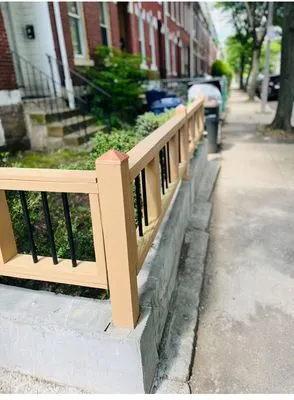
Addis Garden is a Cambridge-based landscaping and home improvement company serving the local community since 2018. We specialize in transforming outdoor spaces with services ranging from landscape des...
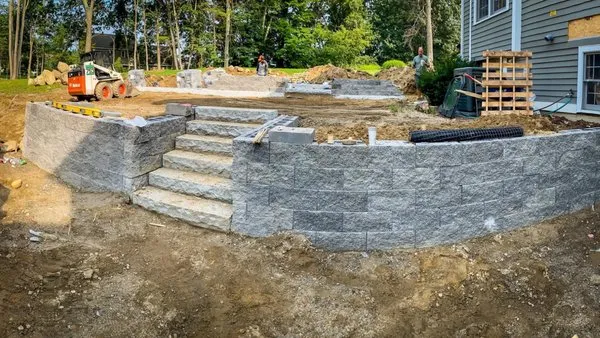
W Nolasco Landscaping & Construction is a locally owned and operated business serving Lynn, MA, with over five years of hands-on experience transforming residential and commercial outdoor spaces. We s...
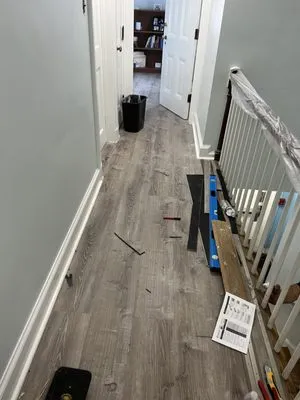
JT Landscaping and Carpenter is a full-service Somerville, MA contractor uniquely combining expert landscaping with skilled carpentry and painting. We specialize in solving common local property chall...
Brothers Landscapers
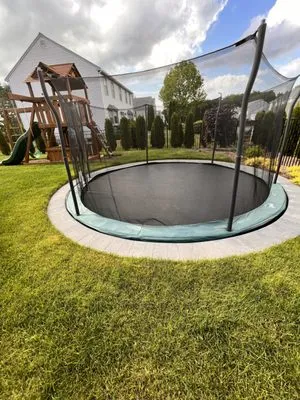
Brothers Landscapers is a Canton-based landscaping and hardscaping company with over 13 years of experience serving residential and commercial clients throughout Massachusetts. We specialize in creati...
Estimated Landscaping Service Costs in Cambridge, MA
Q&A
How quickly can you respond to an emergency storm cleanup for HOA compliance?
Emergency storm response from our MIT-area base reaches Cambridgeport within 20-30 minutes during peak conditions. The route follows Memorial Drive to the Massachusetts Turnpike (I-90) exit, avoiding Charles River bottleneck points. Our electric maintenance fleet meets Cambridge's seasonal decibel limits for gas-powered equipment, enabling immediate debris removal without noise ordinance violations. This dispatch protocol ensures HOA landscape standards are maintained within critical post-storm windows.
What solutions address stormwater runoff on my small Cambridge lot?
High impervious surface runoff in Cambridgeport requires permeable concrete pavers and granite cobblestone installations that meet Community Development Department standards. These materials allow 80-95% of rainfall to infiltrate glacial till soils rather than contributing to stormwater surcharge. Subsurface French drains with clean stone aggregate further manage water movement through compacted urban fill. Proper grading toward infiltration basins creates natural detention that reduces municipal system loading during peak precipitation events.
Are permeable pavers better than wood for Cambridge patio installations?
Permeable concrete pavers and granite cobblestone offer 50+ year lifespans versus wood's 10-15 year decay cycle in New England's freeze-thaw conditions. These materials maintain Cambridge's low Firewise rating by creating defensible space without combustible organic matter accumulation. Their thermal mass moderates microclimate extremes near MIT's urban heat island, while permeability addresses stormwater runoff requirements. Granite's natural compression strength withstands glacial till soil movement better than wood's susceptibility to moisture degradation.
Why does my Cambridgeport yard have such compacted soil that struggles to drain?
Cambridgeport properties built around 1946 sit on 80-year-old urban fill and glacial till soils. This soil maturity means decades of compaction from construction debris and foot traffic have reduced permeability to critical levels. The pH range of 6.2-6.8 indicates adequate acidity for most plants, but poor structure limits root development. Core aeration with organic compost amendments is essential to restore pore space and microbial activity in these historically disturbed soils.
Can I maintain healthy turf while following Cambridge's water conservation guidelines?
Wi-Fi ET-based weather sensing controllers automatically adjust irrigation to actual evapotranspiration rates, reducing water use 20-40% compared to traditional timers. These systems preserve Kentucky Bluegrass and Fine Fescue blends during Stage 1 voluntary conservation by delivering water only when soil moisture deficits occur. Programming follows municipal water limits while preventing drought stress through deep, infrequent watering cycles that encourage root development beyond the compacted urban fill layer.
What permits and licenses are needed for grading work on my 0.08-acre Cambridgeport lot?
The Cambridge Community Development Department requires grading permits for any elevation change exceeding 6 inches on 0.08-acre parcels due to stormwater implications. Contractors must hold Massachusetts Division of Occupational Licensure landscaping construction supervisor licenses, as compacted urban fill soils require engineered solutions for proper drainage. Unlicensed grading on glacial till substrates often triggers soil erosion violations and structural settlement issues. Professional documentation ensures compliance with state phosphorus fertilizer laws and noise ordinance equipment restrictions during implementation.
How can I reduce maintenance while supporting local ecology?
Replacing high-maintenance turf with Eastern Redbud, Sweet Pepperbush, New England Aster, and Wild Columbine creates a self-sustaining native landscape. These species require minimal irrigation once established and provide continuous bloom sequences for pollinators from spring through fall. The transition eliminates weekly mowing and reduces leaf litter that triggers gas-powered blower use, staying ahead of Cambridge's seasonal decibel restrictions. Native root systems also improve soil structure in urban fill environments without chemical inputs.
What invasive species should I watch for in Cambridge, and how are they managed?
Japanese knotweed, garlic mustard, and oriental bittersweet pose significant threats in Cambridge's disturbed urban soils. Manual removal before seed set combined with targeted organic herbicides avoids phosphorus fertilizer ordinance violations. Treatment timing considers blackout dates when soil temperatures favor native plant recovery over invasive resurgence. Regular monitoring prevents establishment in the glacial till substrate where these species exploit compaction and nutrient imbalances in 80-year-old landscape soils.
