Top Landscaping Services in Bourne, MA, 02532 | Compare & Call
There are 202 landscaping companies server in Bourne MA
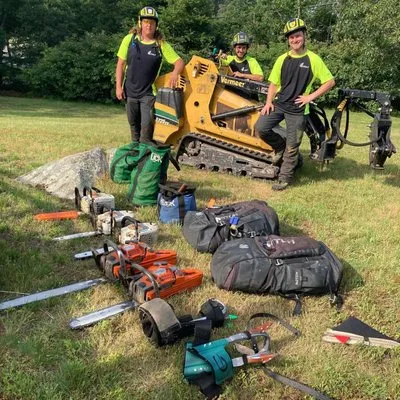
GBK Company, Inc. is a family-owned and operated landscaping and tree service business serving Fairhaven and the Greater New Bedford Area. With over 50 years of combined experience from their second a...
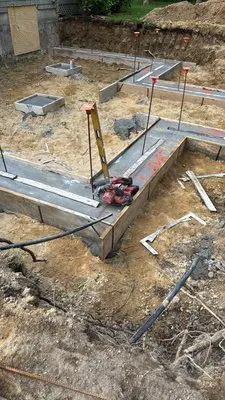
Foundation Concrete 5 Star is a trusted local business in New Bedford, MA, specializing in masonry, concrete, tree services, and landscaping. We help homeowners tackle common landscaping issues like w...

Gretchen's Gardening & Landscaping is your local Marshfield partner for a healthy, beautiful yard. We understand the specific challenges homeowners face here, from damaged landscape edging caused by c...
Lawn & Order Land Design is a full-service landscape company founded in 2014 by Acushnet native Brandon Sullo. Brandon brings his Bachelor's degree in Landscape Design and years of local experience to...
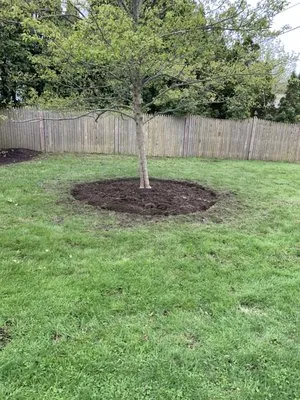
I'm Don, the founder and President of Green Environment Landscaping Corporation in Fall River. With over 22 years of hands-on experience in landscaping and snow management, I started this company in 2...
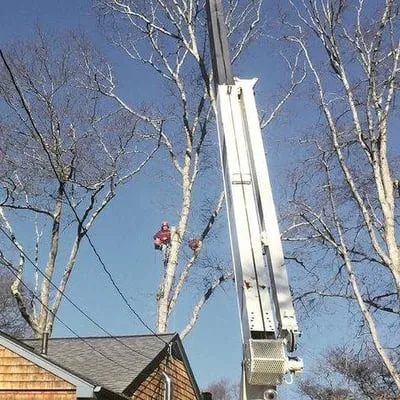
Pioneer Tree And Landscape Service is a family-owned and operated business serving Dartmouth, MA, and the surrounding communities. Rooted in a deep appreciation for how thoughtful landscaping and tree...
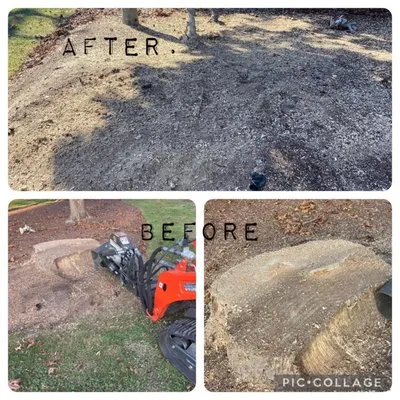
For over 30 years, Fairways Tree and Landscaping has been the trusted local partner for homeowners in Fairhaven and Bourne, transforming outdoor spaces into beautiful, healthy landscapes. We understan...
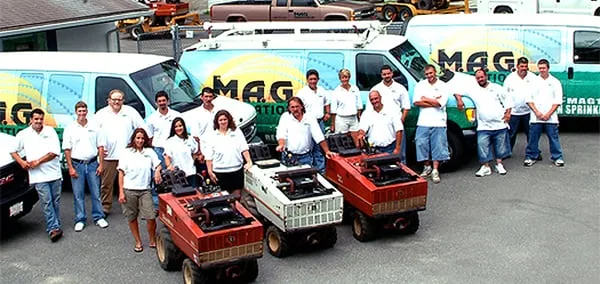
M.A.G. Irrigation is a family-owned and operated irrigation specialist based in East Freetown, Massachusetts, with over 30 years of experience serving southeastern Massachusetts. Founded by George and...
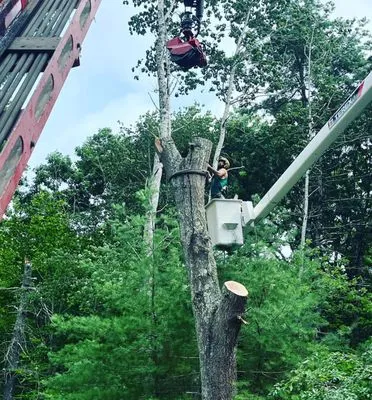
Beaver Tree Works is a locally owned tree service and landscaping company that has been a trusted name in Lakeville and Southeastern Massachusetts since 1992. Founded by Gary C. Loranger, the company ...

Costeira Lawns
Costeira Lawns is a trusted lawn care and landscaping company serving Fairhaven, MA, and surrounding areas. We specialize in comprehensive landscape design and professional lawn care services tailored...
Estimated Landscaping Service Costs in Bourne, MA
FAQs
How quickly can you respond to storm damage for HOA compliance?
Emergency cleanup crews dispatch from the Bourne Bridge area via Route 28, reaching Bourne Village properties within 20-30 minutes during peak response windows. Our electric maintenance fleet operates within the 7AM-8PM weekday noise ordinance restrictions while providing immediate debris removal. We prioritize safety assessments of downed limbs and structural damage before initiating cleanup operations to ensure proper documentation for insurance claims.
How do I control invasive species without violating fertilizer regulations?
Japanese knotweed and oriental bittersweet pose significant threats in Bourne's coastal areas. Manual removal during early growth stages followed by targeted herbicide applications avoids Massachusetts Plant Nutrient Regulations blackout dates. Soil testing determines exact amendment needs, preventing over-application of fertilizers that could leach through sandy soils. Integrating mycorrhizae inoculants with native plantings creates competitive ecosystems that naturally suppress invasive species reestablishment.
What solutions prevent basement flooding in sandy loam soils?
High permeability in acidic sandy loam soils causes rapid leaching but can lead to surface runoff during heavy rains. Installing permeable pavers and granite cobblestone hardscapes creates infiltration zones that meet Bourne Planning Department runoff standards. French drains with clean stone aggregate and geotextile fabric provide additional subsurface drainage capacity. These systems work with the soil's natural permeability rather than against it, preventing erosion and foundation water issues.
Why does my Bourne Village lawn struggle despite regular care?
Bourne Village properties built around 1959 have acidic sandy loam soils that are now 67 years mature. This soil type naturally develops compaction layers that restrict root growth and water infiltration. Core aeration every 2-3 years combined with organic amendments like composted leaf mold addresses the pH 5.5-6.5 acidity while improving soil structure. The sandy composition means nutrients leach quickly, requiring targeted fertilization rather than broadcast applications.
Can I maintain Kentucky Bluegrass during Stage 1 water restrictions?
Smart Wi-Fi ET-based weather sensing irrigation systems automatically adjust watering schedules based on real-time evapotranspiration data. This technology reduces water usage by 25-40% while preserving the Kentucky Bluegrass and Fine Fescue mix common in Bourne. The system accounts for local rainfall, humidity, and temperature patterns, staying well within voluntary conservation limits while preventing drought stress. Regular system audits ensure no leaks or overspray waste municipal water resources.
Are granite cobblestones better than wood for Bourne's climate?
Granite cobblestones and permeable pavers offer 50+ year lifespans compared to wood's 10-15 years in coastal Zone 7a conditions. These materials require no chemical treatments and provide fire-resistant defensible space important in Moderate Wildland-Urban Interface zones. Their thermal mass moderates temperature fluctuations while their permeability manages stormwater runoff. Properly installed hardscapes maintain structural integrity despite freeze-thaw cycles and salt exposure common near the Bourne Bridge.
What permits and licenses are needed for grading my 0.45-acre lot?
Grading projects on 0.45-acre Bourne properties require Bourne Planning Department permits for erosion control and drainage compliance. Contractors must hold Massachusetts Division of Professional Licensure certification for earthwork exceeding 100 cubic yards. Licensed professionals carry insurance covering subsurface utility strikes and soil stability issues common in historic neighborhoods. Proper documentation ensures compliance with coastal zone regulations and protects against liability for off-site runoff impacts.
What alternatives reduce mowing and gas equipment noise?
Replacing high-maintenance turf with native plantings like Coastal Clethra, Bayberry, Switchgrass, and New England Aster creates low-input landscapes that thrive in Zone 7a conditions. These species require no weekly mowing, aligning with evolving noise ordinances restricting gas-powered equipment. Native plant communities support local pollinators while needing minimal irrigation once established. The transition supports Massachusetts' 2026 biodiversity goals and reduces carbon emissions from maintenance operations.
