Top Landscaping Services in Boston, MA, 02108 | Compare & Call
There are 211 landscaping companies server in Boston MA
Founded in 1980, Lynch Landscape and Tree Service, Inc. is a locally owned and operated business providing comprehensive outdoor services to Sudbury, Wayland, Weston, Wellesley, Lincoln, Concord, and ...
Landscape On Demand provides reliable lawn care services for homeowners throughout Boston, MA. We understand the unique challenges of maintaining a healthy lawn in our local climate, including persist...
Southern Maintenance Services is a trusted Boston-based company providing comprehensive outdoor maintenance solutions to keep your property safe and beautiful year-round. We specialize in lawn care, s...
Perez Landscape & Construction
Perez Landscape & Construction is a trusted, full-service landscaping and construction company serving Medford, MA, and surrounding areas. We specialize in comprehensive solutions for residential and ...

Rashidi Property Services is a trusted local provider in Lexington, MA, specializing in comprehensive landscaping and snow removal solutions. We help homeowners maintain healthy, beautiful properties ...
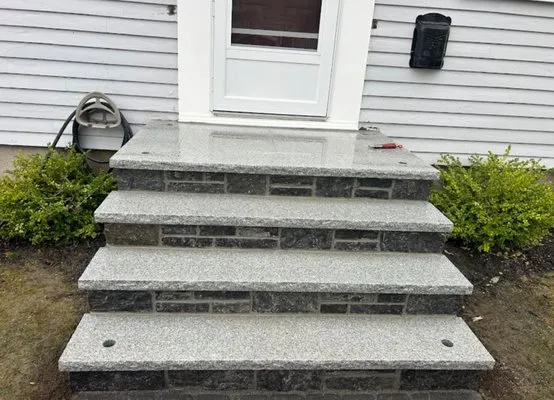
Dedham Masonry & Hardscapes is your trusted local partner for masonry and landscaping projects in Dedham, MA. We specialize in durable, beautiful solutions that enhance and protect your property. Our ...
Urban Irrigation in Boston, MA is a dedicated irrigation and landscaping provider serving the local community with sustainable solutions for urban landscapes. We specialize in designing, installing, a...
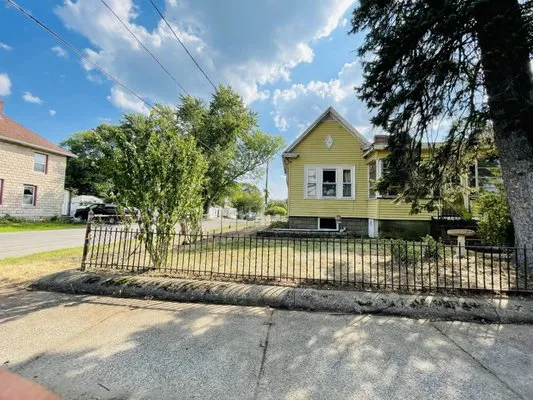
Walter's Service & Maintenance Landscaping is a full-service Lynn, MA, company dedicated to transforming and maintaining outdoor spaces. We specialize in comprehensive tree care, detailed landscaping,...
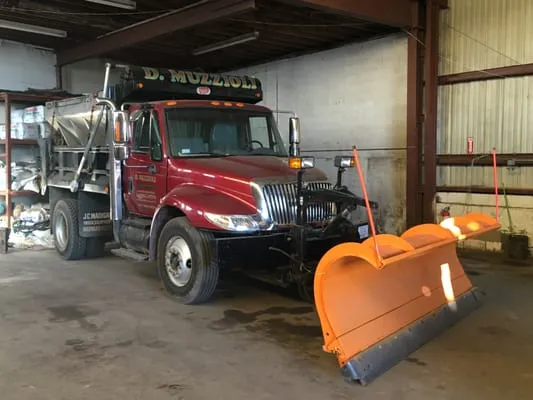
D Muzzioli Associates has been a trusted name in Belmont's landscaping and construction community since 1978. Founded by Dante Muzzioli, who began by cutting neighborhood lawns, the company has grown ...
Founded by Lassana Diawara, a Marblehead resident since 2001, Lassana's Landscaping brings a dedicated, hands-on approach to every project. Lassana and his wife, Alison Williams, started the business ...
Estimated Landscaping Service Costs in Boston, MA
Common Questions
How do historic granite cobblestone and clay brick compare to modern materials for durability?
Historic granite cobblestone and clay brick offer superior longevity compared to pressure-treated wood or composite materials, with lifespans exceeding 100 years in Boston's climate. These materials require minimal maintenance and provide excellent permeability when installed with proper base preparation. For Back Bay's low Fire Wise rating (urban non-WUI), these non-combustible materials create defensible space without contributing to fire risk. Their thermal mass also moderates microclimate temperatures, reducing urban heat island effect while complementing the neighborhood's historic character through appropriate preservation techniques.
How should I manage invasive species without violating Massachusetts fertilizer regulations?
Common invasive species in Back Bay include Japanese knotweed, garlic mustard, and oriental bittersweet, which threaten native plant communities. Treatment requires integrated pest management focusing on mechanical removal during specific growth phases. Phosphorus-free fertilizers, required by Massachusetts law, should be applied only during active growing seasons, avoiding blackout dates typically in late summer. For persistent invasives, targeted organic herbicides can be used sparingly, followed by replanting with native species to prevent reinfestation while maintaining soil health in your urban fill soil profile.
What solutions address the frequent runoff and flooding issues in my Back Bay yard?
High impervious surface runoff and coastal flooding risks in Back Bay require engineered drainage solutions. Your sandy loam soil has moderate permeability but becomes overwhelmed during heavy rainfall events. Installing permeable pavers between historic granite cobblestone or clay brick hardscapes can increase groundwater recharge by 40-60%. These systems, when properly designed, meet Boston Inspectional Services Department runoff standards while preserving the neighborhood's architectural character. French drains connected to rain gardens provide additional capacity for managing the 0.08-acre lot's water flow.
How quickly can you respond to an emergency tree cleanup after a storm in Back Bay?
Our emergency storm response team can typically reach Back Bay properties within 20-30 minutes during peak conditions. We dispatch from our staging area near the Boston Public Garden, taking I-90 (Mass Pike) eastbound to access the neighborhood efficiently. This rapid response is particularly important for HOA compliance issues involving fallen branches or blocked access. Our electric maintenance fleet operates quietly within Boston's noise ordinance restrictions, even during early morning or late evening emergencies.
How can I maintain healthy turf while following Boston's water conservation guidelines?
Smart Wi-Fi ET-based weather sensing controllers optimize irrigation by calculating evapotranspiration rates specific to your Back Bay microclimate. These systems automatically adjust watering schedules based on real-time weather data, soil moisture sensors, and plant water requirements. For Kentucky Bluegrass and Fine Fescue blends in USDA Zone 7a, this technology can reduce water usage by 30-50% while maintaining turf health. During normal or voluntary conservation periods, these controllers ensure compliance with municipal water limits without compromising your lawn's vitality.
What are the most effective native plant alternatives to high-maintenance turf grass?
Transitioning to native plant communities significantly reduces maintenance requirements while supporting local biodiversity. Eastern Redbud, Sweet Pepperbush, New England Aster, Joe Pye Weed, and Switchgrass thrive in Boston's Zone 7a conditions with minimal irrigation once established. These species require no gas-powered leaf blowers for cleanup, aligning with upcoming noise ordinance restrictions. Native plantings also support pollinator populations and require 75% less seasonal maintenance compared to traditional turf, making them both ecologically and economically sustainable choices for Back Bay properties.
What permits and licenses are required for regrading my small Back Bay property?
Grading work on a 0.08-acre lot in Back Bay requires both permits and licensed professionals. The Boston Inspectional Services Department issues excavation permits for any disturbance exceeding 12 inches depth or affecting drainage patterns. Contractors must hold appropriate licensing through the Massachusetts Division of Occupational Licensure, particularly for work involving soil compaction, retaining walls, or utility proximity. These requirements ensure proper water management, structural stability, and compliance with coastal floodplain regulations. Unlicensed grading can result in significant fines and may void property insurance during flood events.
Why does my Back Bay soil seem compacted and lifeless despite regular watering?
Boston's Back Bay neighborhood was largely developed around 1945, giving your soil approximately 81 years of maturation in an urban environment. The soil type here is typically urban fill mixed with sandy loam, which tends to compact over decades of foot traffic and limited organic matter cycling. This compaction reduces soil percolation and oxygen availability to root zones. Core aeration combined with organic amendments like composted leaf mold can improve soil structure and microbial activity, addressing the pH range of 6.5-7.0 common in these historic lots.
