Top Landscaping Services in Belmont, MA, 02475 | Compare & Call

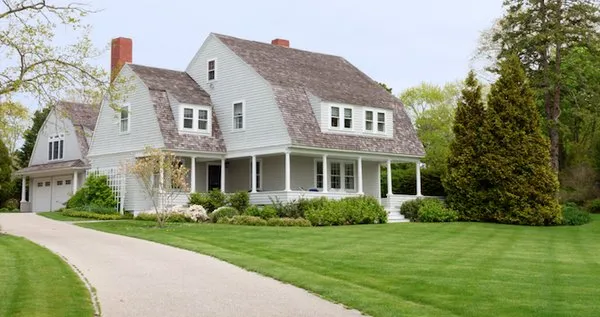
Crugnale Associates is a family-owned landscape and snow removal business serving Belmont and the surrounding communities. We focus on reliable, detail-oriented service for both residential and commer...

Lyons Irrigation is a trusted Belmont, MA landscaping and irrigation company dedicated to solving common local yard problems like patchy lawns and sprinkler leaks. We provide comprehensive irrigation ...
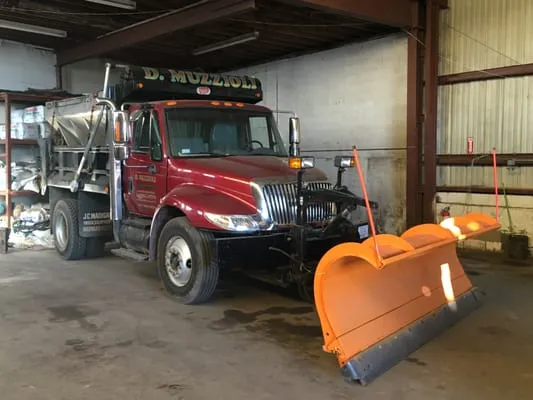
D Muzzioli Associates has been a trusted name in Belmont's landscaping and construction community since 1978. Founded by Dante Muzzioli, who began by cutting neighborhood lawns, the company has grown ...
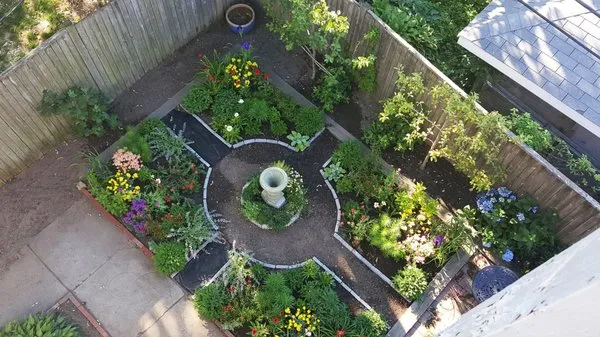
Gardens By Suniti is a full-service landscaping company serving Belmont, MA, specializing in comprehensive garden and landscape solutions. We address common local issues like dying shrubs and irrigati...
Kelly Brothers Landscaping is a trusted, locally-owned landscaping service dedicated to maintaining and enhancing the beauty of Belmont, MA. We specialize in addressing the specific challenges homeown...
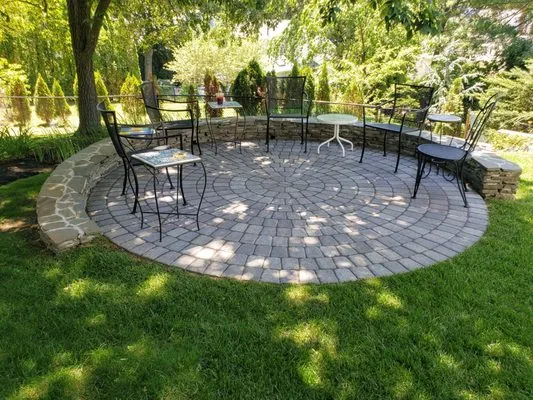
Tj Sullivan Landscaping
Tj Sullivan Landscaping is a full-service landscaping and masonry contractor serving Belmont, MA. Specializing in a wide range of services from landscape design and irrigation to hardscaping like driv...
MacDougall & Sons Landscaping is a trusted, family-run business serving Belmont, MA, and the surrounding communities. We understand the specific challenges homeowners in our area face, such as persist...

Cucci's Landscaping is a trusted, local landscaping company serving Belmont, MA, and the surrounding communities. We specialize in professional gardening and comprehensive landscape maintenance design...
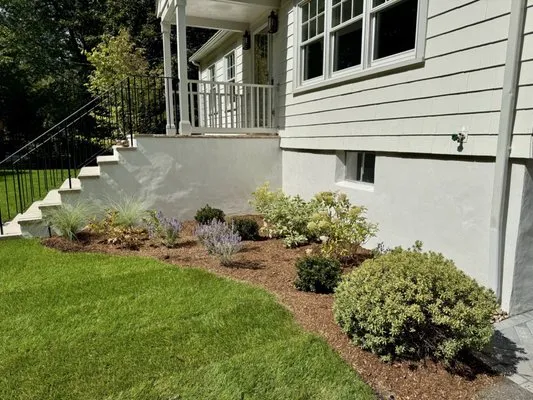
Wollaston Development is a trusted landscaping and masonry contractor serving Belmont and the Greater Boston Area. With expertise in hardscapes, irrigation, and comprehensive landscape services, we he...

For over two decades, Mow Dog Landscaping has been the go-to, owner-operated choice for Belmont residents seeking reliable and comprehensive lawn and garden care. Since 1996, we've grown from a small ...
Q&A
How can I reduce maintenance while supporting local ecology?
Transitioning high-maintenance turf areas to native plantings like White Oak, Highbush Blueberry, Purple Coneflower, and Wild Columbine creates resilient, low-input landscapes. These species require minimal watering once established and provide year-round habitat value. This approach reduces reliance on gas-powered equipment ahead of tightening noise ordinance restrictions. Native plant communities also improve soil health through natural nutrient cycling and mycorrhizal relationships.
Can I maintain healthy turf while following Belmont's water conservation rules?
Smart Wi-Fi ET-based weather sensing irrigation systems automatically adjust watering schedules based on real-time evapotranspiration data. This technology maintains Kentucky Bluegrass and Fine Fescue blends while reducing water use 20-40% compared to traditional timers. During Stage 1 voluntary conservation periods, the system prioritizes deep, infrequent watering that encourages drought-resistant root growth. Proper calibration ensures turf health without exceeding municipal water guidelines.
How quickly can you respond to storm damage for HOA compliance?
Emergency cleanup crews dispatch from Belmont Center via MA-2, reaching Belmont Hill properties within 20-30 minutes during peak response windows. Our electric maintenance fleet operates within seasonal gas-powered equipment restrictions while maintaining rapid deployment capability. We prioritize safety assessments before debris removal, documenting conditions for insurance and HOA requirements. This coordinated approach ensures regulatory compliance while addressing immediate landscape hazards.
What's the best solution for runoff issues in my clay-heavy Belmont yard?
Clay-heavy subsoil in acidic glacial till creates moderate runoff challenges common in Belmont properties. Installing permeable granite paver systems with gravel bases increases infiltration rates while meeting Belmont Office of Community Development runoff standards. French drains connected to dry wells redirect subsurface water away from foundations. These solutions address both surface and subsurface drainage while maintaining the aesthetic integrity of traditional New England hardscapes.
What invasive species should I watch for in Belmont, and how do I treat them safely?
Japanese knotweed and garlic mustard present significant invasive threats in Belmont's USDA Zone 6b environment. Manual removal before seed set proves most effective, particularly during April-May when soil moisture aids root extraction. Any chemical treatments require precise application to avoid violating Massachusetts' phosphorus-free fertilizer mandate. We recommend soil testing to document actual deficiencies before considering any supplemental fertilization outside established growing seasons.
Are granite pavers better than wood for Belmont patio installations?
Granite pavers and fieldstone offer superior longevity to wood in Belmont's climate, with 50+ year lifespans versus wood's 10-15 year replacement cycle. These materials maintain structural integrity through freeze-thaw cycles while providing non-combustible surfaces that support Belmont's low fire-wise rating requirements. Properly installed with permeable bases, they reduce heat island effects and manage runoff more effectively than impervious alternatives. The initial investment yields long-term maintenance reductions and property value retention.
Why does my Belmont Hill soil seem so compacted and acidic?
Belmont Hill properties average 88 years of soil development since typical 1938 construction, creating mature but compacted acidic glacial till with pH 5.5-6.5. Decades of foot traffic and equipment use have reduced soil permeability, particularly in these established neighborhoods. Core aeration with organic compost amendments improves soil structure and microbial activity. This addresses the natural acidity while enhancing water infiltration for healthier root systems.
What permits and licenses are needed for grading my 0.22-acre Belmont property?
Grading work on 0.22-acre Belmont lots requires permits from the Belmont Office of Community Development, particularly for changes affecting drainage patterns or exceeding 50 cubic yards of earth movement. Contractors must hold appropriate licensing through the Massachusetts Division of Professional Licensure, with specific endorsements for excavation and erosion control. These regulations ensure proper water management and prevent downstream impacts, with inspections verifying compliance with local and state environmental standards.
