Top Landscaping Services in Bedford, MA, 01730 | Compare & Call
There are 181 landscaping companies server in Bedford MA
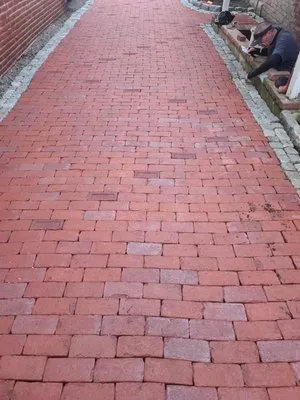
American Elm Landscape is a full-service landscaping contractor serving Lexington, MA, and the surrounding area. We specialize in transforming outdoor spaces through comprehensive design, construction...
Anthony Bonanno Mason
For over five decades, Anthony Bonanno Mason has been a trusted fixture in Lexington and the surrounding communities, providing durable and elegant masonry and landscaping solutions. Operating since 1...

Pure Solutions is a Weston-based organic pest control and lawn care company founded in 2005 by Massachusetts natives Brian Whittemore and Trevor Nelson. As cousins and lifelong friends who grew up enj...
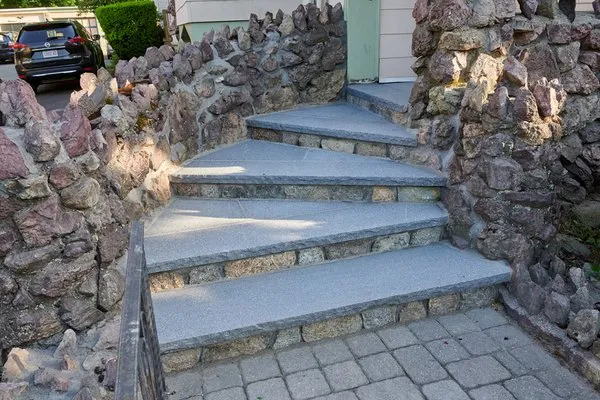
LCM Plus is a licensed landscaping and masonry firm serving North Reading and surrounding communities for over three decades. We take a design-build approach, creating durable and attractive outdoor l...
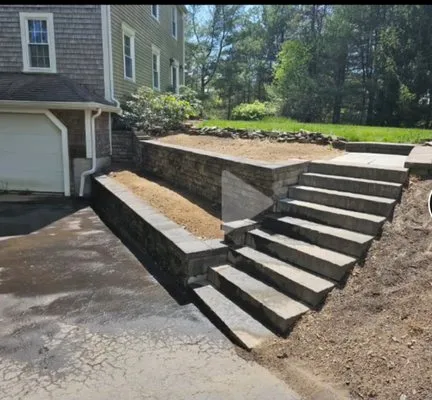
For over three decades, David C McDonald Company has been a trusted home improvement and landscaping partner for Boston homeowners. We specialize in a comprehensive range of services, from masonry and...
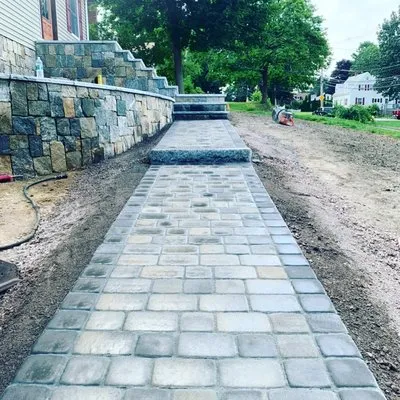
Nolasco Landscaping & Construction is a full-service landscaping company serving Marblehead, MA, and the surrounding North Shore. We specialize in creating and maintaining beautiful, functional outdoo...
Affinity Grounds is a trusted Boston-based lawn care, snow removal, and tree services company dedicated to solving common local landscaping challenges. Many Boston homeowners struggle with issues like...
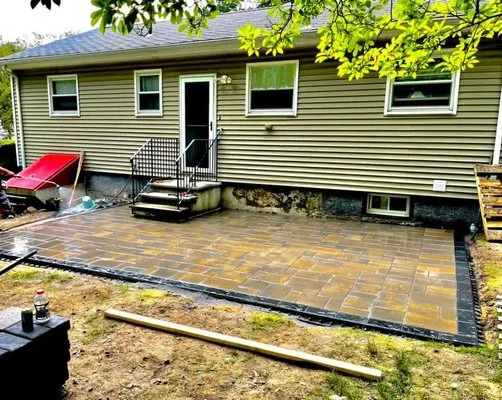
Founded in 2021, Chris’ Landscape is a family-owned business in Burlington, MA, born from a deep passion for the outdoors. We specialize in turning that passion into practical solutions for your prope...
Duncan Brothers Landscaping is a locally owned and operated business serving Burlington, MA, and the surrounding areas. We understand the unique challenges homeowners in our community face, from stubb...
Founded in 2018, Hamilton Landscaping is the result of hard work coming to fruition. Every step of building this Burlington-based business has been a lesson, from initial team struggles to the constan...
Estimated Landscaping Service Costs in Bedford, MA
Question Answers
What permits and licensing are required for grading work on our 0.45-acre Bedford property?
Grading projects exceeding 100 cubic yards of earth movement require Bedford Department of Planning and Development permits to ensure proper drainage and erosion control. Contractors must hold Massachusetts Division of Occupational Licensure certification for earthwork operations, verifying training in soil stability and runoff management. Professional licensing ensures compliance with state sediment control regulations and protects against liability issues. Site plans must demonstrate how grading integrates with existing drainage patterns and adjacent properties.
Our Bedford Center home was built in 1942 - what does that mean for our soil health?
Bedford Center lots from the 1940s have 84 years of soil development, resulting in acidic sandy loam with pH 5.5-6.5. This soil type naturally develops compaction layers that restrict root growth and water infiltration. Core aeration every 2-3 years combined with organic amendments like composted leaf mold improves soil structure and microbial activity. The acidity favors native species like Highbush Blueberry but requires monitoring for optimal nutrient availability.
We need emergency storm cleanup to meet HOA compliance deadlines - how quickly can you respond?
Our Bedford storm response protocol dispatches electric equipment crews within 20-30 minutes during peak events. We route from the Job Lane House via Route 128/I-95, avoiding residential congestion patterns. Electric equipment operates within Bedford's 7 AM-6 PM weekday noise ordinance, allowing immediate deployment without violation concerns. This ensures debris removal and safety restoration while maintaining neighborhood compliance standards.
How do we maintain our Kentucky Bluegrass/Fine Fescue blend during Bedford's Stage 1 water restrictions?
Smart Wi-Fi ET-based controllers calculate evapotranspiration rates specific to Bedford's microclimate, adjusting irrigation to actual plant needs. These systems reduce water use 20-30% while preserving turf health by delivering water during optimal absorption windows. Programming follows municipal conservation guidelines while preventing drought stress in grass blends. The technology prioritizes deep, infrequent watering that encourages root development in sandy loam soils.
Should we choose granite or wood for our patio considering Bedford's climate and fire safety?
Granite pavers and fieldstone offer superior longevity in USDA Zone 6b, withstanding freeze-thaw cycles without deterioration common in wood materials. These non-combustible materials contribute to Firewise Community defensible space recommendations, creating firebreaks around structures. Dry-laid installation allows for natural drainage and reduces heat island effects compared to mortared alternatives. The thermal mass of stone moderates temperature extremes in both summer and winter conditions.
Our Bedford property experiences seasonal saturation - what drainage solutions work with our soil type?
Acidic sandy loam in Bedford Center has moderate permeability but encounters high water table issues during spring saturation. Permeable granite paver installations with aggregate bases create subsurface drainage channels that meet Bedford Department of Planning and Development runoff standards. Dry-laid fieldstone walls with gravel backfill provide additional drainage while maintaining structural integrity. These solutions redirect water without creating erosion hazards common in compacted soils.
What alternatives exist for reducing lawn maintenance while preparing for tighter noise regulations?
Transitioning high-maintenance turf to native plantings like Wild Columbine, Butterfly Milkweed, and New England Aster reduces mowing frequency and gas equipment dependence. These species establish deep root systems that improve soil structure and require minimal irrigation once established. The shift supports 2026 biodiversity standards while creating habitat for pollinators. Electric maintenance equipment operates effectively within proposed noise ordinance revisions, providing long-term compliance.
What invasive species threaten Bedford landscapes, and how do we treat them safely?
Japanese knotweed and garlic mustard present significant invasion risks in Bedford's acidic soils, outcompeting native vegetation. Manual removal during early growth stages prevents seed dispersal without chemical intervention. When treatment is necessary, phosphorus-free herbicides approved by the MA Department of Agricultural Resources target specific invasives while protecting soil microbiology. Application timing avoids blackout periods and respects local fertilizer ordinances, ensuring environmental safety.
