Top Landscaping Services in Attleboro, MA, 02703 | Compare & Call
There are 133 landscaping companies server in Attleboro MA
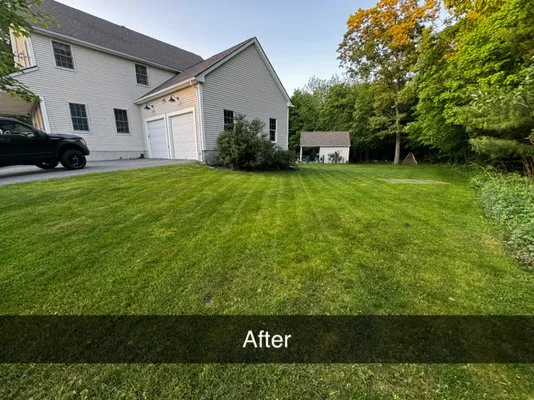
K&K Landscaping is a dedicated local lawn care provider serving North Attleborough. We focus on delivering reliable, high-quality work for every project we undertake. Our approach is built on accounta...
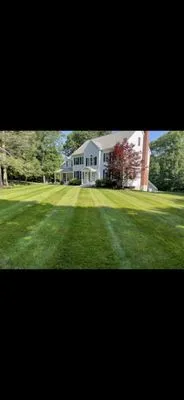
X&M Landscaping is a locally owned and operated landscaping company serving North Attleborough, MA. We specialize in addressing the specific challenges faced by homeowners in our community, particular...
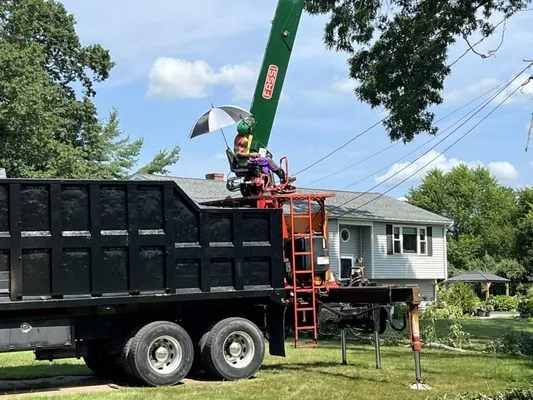
Grey Hat Tree Service and Landscaping
Grey Hat Tree Service and Landscaping in Seekonk, MA, is a locally owned and operated business founded by Peter Alves, a Rhode Island certified arborist with years of hands-on experience. The company'...
G&C Dumpster Division
G&C Dumpster Division is a trusted local service provider in North Attleboro, MA, specializing in dumpster rental, junk pickup, and snow removal. We help homeowners and businesses manage waste efficie...

David Brown, the owner and lead climber of Old Time Tree Cutter, has been serving Wrentham and surrounding towns since 1988. Growing up in nearby Medfield and a graduate of Norfolk County Agricultural...
North Country Landscaping
North Country Landscaping is a veteran-owned and female-operated business serving Attleboro, MA, and surrounding areas in both Massachusetts and Rhode Island. As a licensed general contractor in RI an...
Pro Level Junk Removal
Pro Level Junk Removal is your Attleboro-area expert for clearing out the clutter and tackling tough outdoor projects. We specialize in junk removal, demolition, and comprehensive landscaping services...
Greenridge Landscaping is a dedicated local landscaping company serving North Attleboro, MA, and the surrounding communities. We understand the specific challenges homeowners face here, from frustrati...
CT Landscaping is a trusted local landscaping company serving Plainville, MA, and the surrounding areas. We specialize in addressing common landscaping challenges faced by homeowners in our community,...
Horticare Landscaping is a dedicated local landscaping provider serving North Attleborough, MA, and the surrounding communities. We understand that homeowners in our area frequently face challenges wi...
Estimated Landscaping Service Costs in Attleboro, MA
Common Questions
Do concrete pavers or natural fieldstone offer better longevity than wood decking?
Concrete pavers and natural fieldstone provide 30+ year lifespans versus wood's 10-15 years with maintenance. These non-combustible materials enhance fire-wise ratings in low-risk urban interface zones by creating defensible space. Properly installed with polymeric sand joints, they resist frost heave in Zone 6b while requiring minimal upkeep. Their permeability also reduces runoff compared to solid surfaces, addressing Attleboro's drainage concerns.
What solutions address moderate runoff from my property's seasonal high water table?
Acidic sandy loam soils in Attleboro have moderate permeability but experience seasonal saturation. Permeable concrete pavers with aggregate bases increase infiltration rates by 40-60% compared to traditional hardscapes. French drains with clean stone and filter fabric redirect subsurface water away from foundations. These systems meet Attleboro Planning Department runoff standards while preventing erosion and maintaining soil structure during wet periods.
How quickly can you respond to emergency storm damage cleanup for HOA compliance?
Emergency storm response from Attleboro City Hall via I-95 to Highland neighborhood requires 25-35 minutes during peak traffic conditions. Our electric maintenance fleet operates within noise ordinance hours (8:00 AM - 8:00 PM) for immediate debris removal. We prioritize safety hazards like downed branches over aesthetic concerns, coordinating with utility companies when necessary. This routing minimizes disruption while ensuring compliance with neighborhood association deadlines.
What permits and licenses are required for regrading my 0.35-acre property?
Grading projects altering more than 1,000 square feet require Attleboro Planning Department review for erosion control compliance. Massachusetts Board of Registration of Landscape Architects licensing is mandatory for designs involving drainage systems or retaining walls over 4 feet. Certified professionals must supervise soil movement exceeding 50 cubic yards on 0.35-acre lots. These regulations prevent downstream sedimentation and ensure structural integrity of landscape modifications.
How do I control invasive species without violating fertilizer regulations?
Japanese knotweed and garlic mustard present the highest invasion risks in Attleboro's urban interface. Manual removal during early growth stages prevents seed dispersal without chemical intervention. For persistent infestations, targeted glyphosate applications in fall avoid spring phosphorus ban blackout dates. Always maintain 10-foot buffers from water features when treating, and document applications for Massachusetts Department of Agricultural Resources compliance.
How do I maintain Kentucky Bluegrass and Fine Fescue during Stage 1 water restrictions?
Wi-Fi ET-based weather sensing irrigation systems calculate evapotranspiration rates using local weather data. This technology applies precisely 0.5-1.0 inches weekly during peak demand, matching municipal conservation guidelines. Systems automatically adjust for rainfall events, preventing overwatering while maintaining turf health. Deep, infrequent watering encourages deeper root systems that better withstand dry periods within voluntary conservation parameters.
Why does my Highland neighborhood lawn struggle with compaction and poor drainage?
Attleboro's Highland neighborhood has acidic sandy loam soil with pH 5.5-6.5, typical of lots developed around 1971. With 55 years of soil maturity since construction, repeated foot traffic and equipment use have reduced permeability. This soil type compacts easily, limiting root penetration and water infiltration. Core aeration every 2-3 years with organic amendments like composted leaf mold addresses compaction while maintaining proper pH balance for healthy turf establishment.
What alternatives reduce maintenance while preparing for electric equipment requirements?
Replacing high-maintenance turf with native plantings like Eastern Redbud, Sweet Pepperbush, and Little Bluestem reduces mowing frequency by 70%. These species require minimal irrigation once established and support local pollinators. Transitioning to electric maintenance equipment aligns with evolving noise ordinances while eliminating fossil fuel dependence. This approach creates resilient landscapes that thrive in Zone 6b conditions with reduced resource inputs.
