Top Landscaping Services in Ashby, MA, 01431 | Compare & Call
There are 155 landscaping companies server in Ashby MA
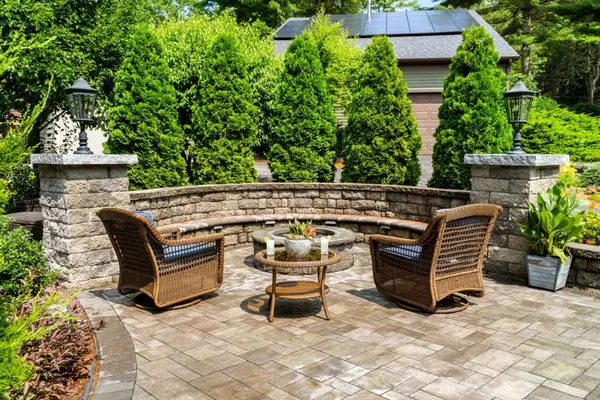
Monette Landscaping & Construction
Monette Landscaping & Construction is a third-generation, family-owned business serving Spencer and Central Massachusetts since 1947. Rooted in integrity and family heritage, we treat every homeowner ...
Gelinas Lawn Maintenance
Gelinas Lawn Maintenance is a locally owned and operated lawn care and waste management company serving Orange, MA, and surrounding areas since 1997. Founded by Michael Gelinas, this veteran-owned fam...
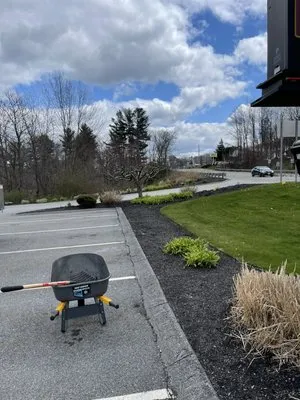
Stevens & Son Lawn Maintenance has been a trusted name in Auburn, MA, for over 35 years, specializing in comprehensive landscaping and lawn care solutions. Founded over 50 years ago and formally estab...
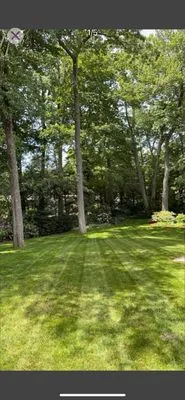
MC Lawn provides professional lawn care services to homeowners in Worcester, MA. We understand the common local challenges of poor lawn grading and damaged landscape edging, which can lead to water po...

E & V Landscaping Construction is a Hudson-based landscaping company serving homeowners throughout the area. We specialize in comprehensive landscape construction, maintenance, and repair services to ...
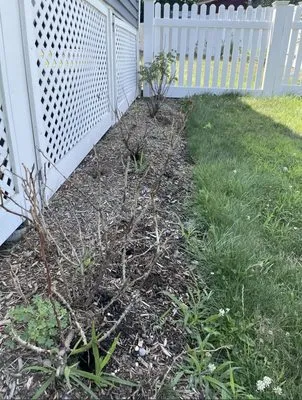
Ancelmo Oliveira founded Oliver's Landscaping in Leominster, MA, driven by a dream that has become a reality through nearly two decades of dedicated work. As a responsible and professional local exper...
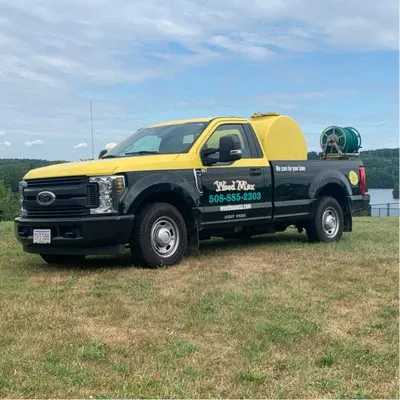
For four decades, the team at Weed Man in Spencer, MA, has been dedicated to helping local families enjoy their outdoor spaces. We believe your yard should be a healthy, safe, and inviting extension o...
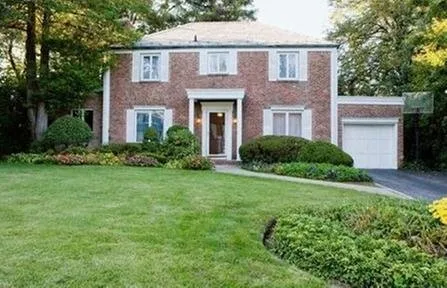
Tender Touch Landscaping has been a trusted part of the South Grafton community since 1980, offering dependable lawn and irrigation services. As a local, family-operated contractor, we understand the ...
Smile Landscape is a Worcester-based landscaping company dedicated to solving the common local issues of soil compaction and dead lawn areas. Serving homeowners throughout Central Massachusetts, we of...

Ellm Enhancements is a woman-owned landscaping and construction company serving Clinton, MA, and surrounding Central Massachusetts communities. We specialize in comprehensive outdoor solutions for bot...
Estimated Landscaping Service Costs in Ashby, MA
Frequently Asked Questions
Is New England fieldstone better than wood for Ashby's climate?
Fieldstone offers superior longevity in USDA Zone 5b compared to wood, withstanding freeze-thaw cycles without deterioration. Its natural thermal mass moderates temperature extremes while providing non-combustible defensible space important for Ashby's moderate Wildland-Urban Interface rating. Unlike wood, fieldstone requires no chemical treatments, won't rot from contact with acidic glacial till soils, and maintains permeability for drainage. This material choice aligns with fire-wise landscaping principles while providing permanent structure without ongoing maintenance.
What permits and licenses are needed for grading my 1.5-acre property?
Grading work on Ashby's 1.5-acre lots requires both municipal approval and professional licensing. The Ashby Building Department issues permits for earth moving that exceeds 50 cubic yards or alters drainage patterns. Contractors must hold appropriate licensing through the Massachusetts Division of Occupational Licensure, specifically for landscaping that modifies more than one acre of land. These regulations ensure proper erosion control during construction and verify that professionals understand glacial till soil dynamics and seasonal water table management.
Why does my Ashby Center lawn struggle with compaction and poor drainage?
Ashby Center properties built around 1974 have soil that has matured for 52 years in acidic glacial till. This soil type naturally develops poor permeability due to its fine particle composition and low pH range of 5.5-6.2. Over decades, foot traffic and equipment weight compress the soil structure, reducing pore space for water and air movement. Core aeration combined with organic amendments like composted leaf litter can improve soil aggregation and biological activity. These interventions address the inherent limitations of glacial till while supporting healthier turf establishment.
How quickly can you respond to an emergency tree cleanup after a storm?
Our electric maintenance fleet can dispatch from Ashby Town Common within 30 minutes of notification, traveling via Route 31 to reach most Ashby Center properties. During peak storm conditions, arrival typically occurs within the 45-60 minute window specified for emergency response. We coordinate with local utilities to clear access routes while complying with the 8pm-7am noise ordinance through silent battery-powered equipment. This operational protocol ensures rapid debris removal while maintaining neighborhood quiet hours during extended cleanup operations.
What solutions address seasonal water table issues in glacial till soils?
Ashby's high seasonal water table requires engineered drainage systems that compensate for the soil's poor infiltration characteristics. Installing French drains with clean stone aggregate creates subsurface channels that redirect groundwater away from foundations. Using permeable New England fieldstone for patios and walkways increases surface infiltration rates while meeting Ashby Building Department runoff standards. These combined approaches manage hydrostatic pressure during spring thaw periods when glacial till becomes saturated and impermeable.
Should I replace high-maintenance turf with native plants?
Transitioning to native plantings like Common Milkweed, New England Aster, and Sweet Fern reduces maintenance demands while supporting 2026 biodiversity standards. These species require no chemical inputs, minimal watering once established, and provide critical habitat for pollinators. The shift eliminates weekly mowing during May-September and reduces dependence on gas-powered equipment ahead of tightening noise ordinances. Native plant communities also improve soil structure through deep root penetration that breaks up glacial till compaction.
How do I control invasive species without violating fertilizer regulations?
Massachusetts' statewide phosphorus ban requires alternative approaches to invasive plant management. For species like Japanese knotweed or garlic mustard, mechanical removal during late April's peak mulching season proves most effective. Apply organic pre-emergent treatments like corn gluten meal before invasive seeds germinate, and use targeted spot applications of vinegar-based herbicides for established plants. These methods avoid phosphorus runoff while maintaining soil health through mycorrhizae-supporting practices that outcompete invasives.
Can I maintain Kentucky Bluegrass and Fine Fescue during Stage 1 water restrictions?
Smart Wi-Fi soil moisture sensor controllers enable precise irrigation management that aligns with Ashby's voluntary conservation measures. These systems calculate evapotranspiration rates and adjust watering schedules to deliver 1-1.5 inches weekly during peak growing months. By monitoring root zone moisture levels, the technology prevents overwatering while maintaining turf health through targeted deep watering cycles. This approach reduces municipal water consumption by 30-40% compared to traditional timer-based systems while preserving the cool-season grass mix.
