Top Landscaping Services in Ashburnham, MA, 01430 | Compare & Call


At KJ Duo Landscaping in Ashburnham, we build our business around you. We believe great landscaping starts with listening. That's why we work closely with every homeowner to understand their vision, b...
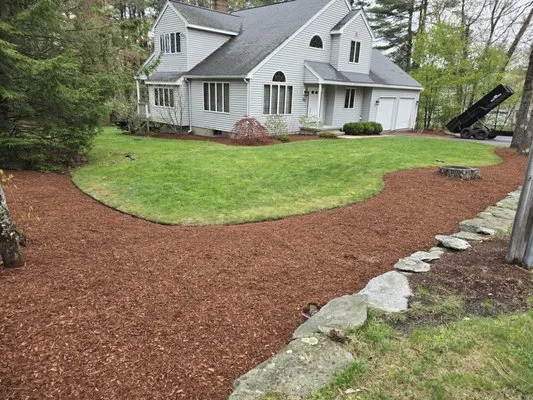
Moynihan Property Services is a dedicated landscaping and property maintenance company serving Ashburnham, MA. We approach every property with the same care and attention we would give our own, focusi...
Wagner Associates is a family-owned masonry, concrete, and landscaping business serving Ashburnham, MA, and the surrounding communities. Founded in the early 2000s, we've built our reputation on adapt...
Bates Landscape and Irrigation is a trusted, locally owned and operated landscaping company serving Ashburnham, MA, and the surrounding communities. We understand the specific challenges homeowners in...

Mass Maids & Property Services is a locally owned and operated business in Ashburnham, MA, founded in 2011 by Lindsey Nevins. As a single mother, Lindsey built the company with the flexibility to work...
In Ashburnham, MA, maintaining a pristine yard often means dealing with the area's specific challenges, like shifting rocks in garden beds and lawn damage from tree roots. Our local yardwork service s...

Caforio Landscaping is a trusted, full-service outdoor contractor serving Ashburnham, MA, and the surrounding areas. We specialize in professional excavation, comprehensive lawn care, reliable snow re...
Frequently Asked Questions
Is granite cobblestone worth the cost compared to wood for a new patio?
For longevity and reduced maintenance in Zone 5b, granite cobblestone is a superior investment. Unlike wood, it is impervious to rot, insects, and freeze-thaw cycles, with a lifespan measured in decades. In our Moderate Fire Wise rated zone, inorganic materials like stone also provide critical defensible space by creating a non-combustible material like shredded rubber mulch. Granite cobblestone edging creates a permanent, non-flammable barrier, enhancing defensible space in this moderate Wildland-Urban Interface zone.
I want to reduce mowing and gas equipment noise. What's a resilient alternative?
Transitioning perimeter zones to a xeriscape of native plants like Sweet Fern, Common Milkweed, and New England Aster is highly effective. These deep-rooted species require no irrigation, weekly mowing, or seasonal fertilization once established. This shift preempts tightening noise ordinances on gas blowers and creates a low-maintenance, biodiverse habitat that supports local pollinators and soil stability.
My yard stays soggy and I'm worried about frost heave damaging paths. What's the fix?
Acidic sandy loam over a high seasonal water table creates chronic saturation. The solution is subsurface drainage paired with permeable surfaces. Installing a French drain system tied to a dry well addresses groundwater. For hardscapes, using open-jointed natural fieldstone or granite cobblestone set in gravel allows infiltration, meeting Building Department runoff standards and mitigating frost heave pressure.
A storm damaged trees on my property. How quickly can a crew respond for an emergency cleanup?
For urgent situations like storm damage or imminent hazard, our primary crew is dispatched from the Town Hall area. The route via Route 12 to most Ashburnham Center locations takes 45-60 minutes during peak conditions. We prioritize safety and securing the site, with full debris removal and chipping scheduled within the same business day to ensure compliance and restore access.
I've spotted invasive plants. How do I manage them without harming my garden?
For common invasives like Japanese Knotweed or Garlic Mustard, precise mechanical removal or targeted, EPA-registered herbicide application during the plant's active growth phase is required. Treatment must avoid the blackout dates specified under Massachusetts Plant Nutrient Regulations (330 CMR 31.00) to protect water quality. Always follow label instructions and consider soil temperature for optimal efficacy and safety.
My lawn in Ashburnham Center never seems to thrive. What's the underlying issue?
Homes built around 1982, common in your neighborhood, sit on 44-year-old landscapes. The original topsoil was likely stripped, leaving a base of acidic sandy loam. This soil type is prone to compaction and nutrient leaching, which starves grass roots. Core aeration and incorporating composted organic matter are critical first steps to rebuild soil structure and biological activity for long-term health.
I want to regrade part of my 0.75-acre lot. What permits and contractor checks are needed?
Regrading that alters water flow or involves significant cut/fill requires an Earth Removal permit from the Ashburnham Building Department. For any contractor, verify they hold a Construction Supervisor License (CSL) from the Massachusetts Division of Occupational Licensure. This is legally mandatory for work affecting drainage on a property of this size, ensuring adherence to state building and environmental codes.
How can I keep my Kentucky Bluegrass lawn healthy under Stage 1 water conservation?
Smart soil-moisture sensor controllers are the definitive solution. They override scheduled cycles, activating irrigation only when the root zone's volumetric water content drops below a preset threshold. This ET-based approach applies water precisely when and where the fine fescue mix needs it, often reducing usage by 20-40%. This technology is key to maintaining turf health within voluntary municipal limits.
